
Musk Ties SpaceX Equity to American Birthright, With Oceania Capital Watching
Elon Musk says he will give a SpaceX share to every US child, a pledge that reframes how the world's richest founder treats equity and citizenship.
Read the StoryNorth American Billionaires: The Self-Made Majority
North America holds the largest single concentration of extreme wealth on earth, and the most self-made. The overwhelming majority of its billionaires built rather than inherited their fortunes, most within the last four decades, and most in technology, finance or retail.
The defining mechanism is equity in a fast-scaling company. Deep capital markets, a culture that tolerates failure and an investor base willing to fund years of losses in pursuit of dominance have produced fortunes at a speed no other region matches.
World Billionaire Day tracks the funding rounds, public listings, acquisitions and wealth transfers that move North American capital.
Why North America produces so many fortunes
Capital markets reward scale over profitability for longer than anywhere else, letting founders retain large stakes through years of expansion and capture enormous value at listing.
Technology creates winner-take-most outcomes. Network effects mean the leading platform in a category often captures the majority of its economics, concentrating wealth in very few hands.
Finance is a wealth engine in itself. Private equity, hedge funds and venture capital generate fortunes from managing and leveraging capital rather than from operating businesses.
Philanthropy is unusually structured. Foundations and donor-advised funds mean a substantial share of American wealth sits in vehicles that are neither purely private nor fully distributed — a defining feature of how the region’s money behaves.
How many billionaires are there in the United States?
The United States has more billionaires than any other country, by a wide margin — several hundred, concentrated in California, New York, Texas and Florida. Counts vary between sources depending on methodology and valuation dates.
What industries create the most American billionaires?
Technology leads, followed by finance, retail and consumer goods, healthcare and real estate. Technology and finance together account for a large share of the very largest fortunes.
Are American billionaires mostly self-made?
Yes. A clear majority built their fortunes rather than inheriting them, though inherited wealth remains significant among the oldest retail, media and industrial families.
How does Canadian and Mexican wealth compare?
Both are smaller in number and more concentrated in traditional sectors — banking, retail, telecoms, mining and media — with fortunes more often family-held across generations than in the United States.

Deepak Parekh, the Man Who Built HDFC, Is Now Advising Fairfax on India's Biggest Foreign Bank Bet
Fairfax is buying 60.72% of IDBI Bank for about $5.5 billion and has enlisted former HDFC chairman Deepak Parekh as an advisor.

Hertha Metals Raises $133.65M, With $65M From Washington, to Build High-Purity Iron Plant in Texas
Hertha Metals closed a $133.65M Series A, including a $65M U.S. government equity stake, to build a high-purity iron plant in Texas.

Artemis Plants a Flag in Costa Rica With $1.2M Pre-Seed, Aiming to Be Central America's Missing Financial Layer
Costa Rica's fintech scene gets a jolt as Artemis lands $1.2M pre-seed, blending colones, dollars, and crypto in one IBAN-linked account.

Trump’s Venezuela Oil Gambit: A $100 Billion Bet on a Nation’s Future
US takes majority control of Venezuela’s oil reserves in a historic deal, promising $100B investment and a new era for the nation.
Deals, Moves & Markets
The North America Brief

Coins.ph's Wei Zhou bets stablecoins can fix Asia's broken remittance rails

Washington's century-long play for Venezuela's oil: a deal that rewires the hemisphere
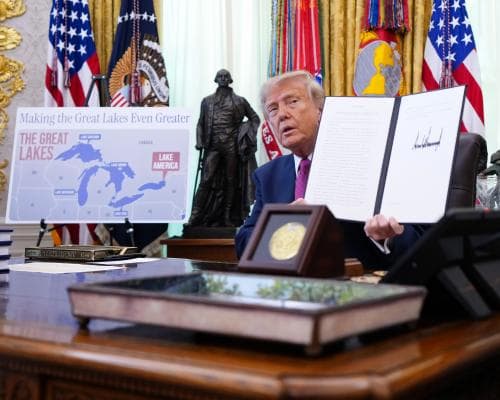
Trump's Lake America Order: A Symbolic Salvo in a Tariff War That's Redrawing North American Trade Lines

Brazil reclaims Latin America's venture crown as late-stage money returns
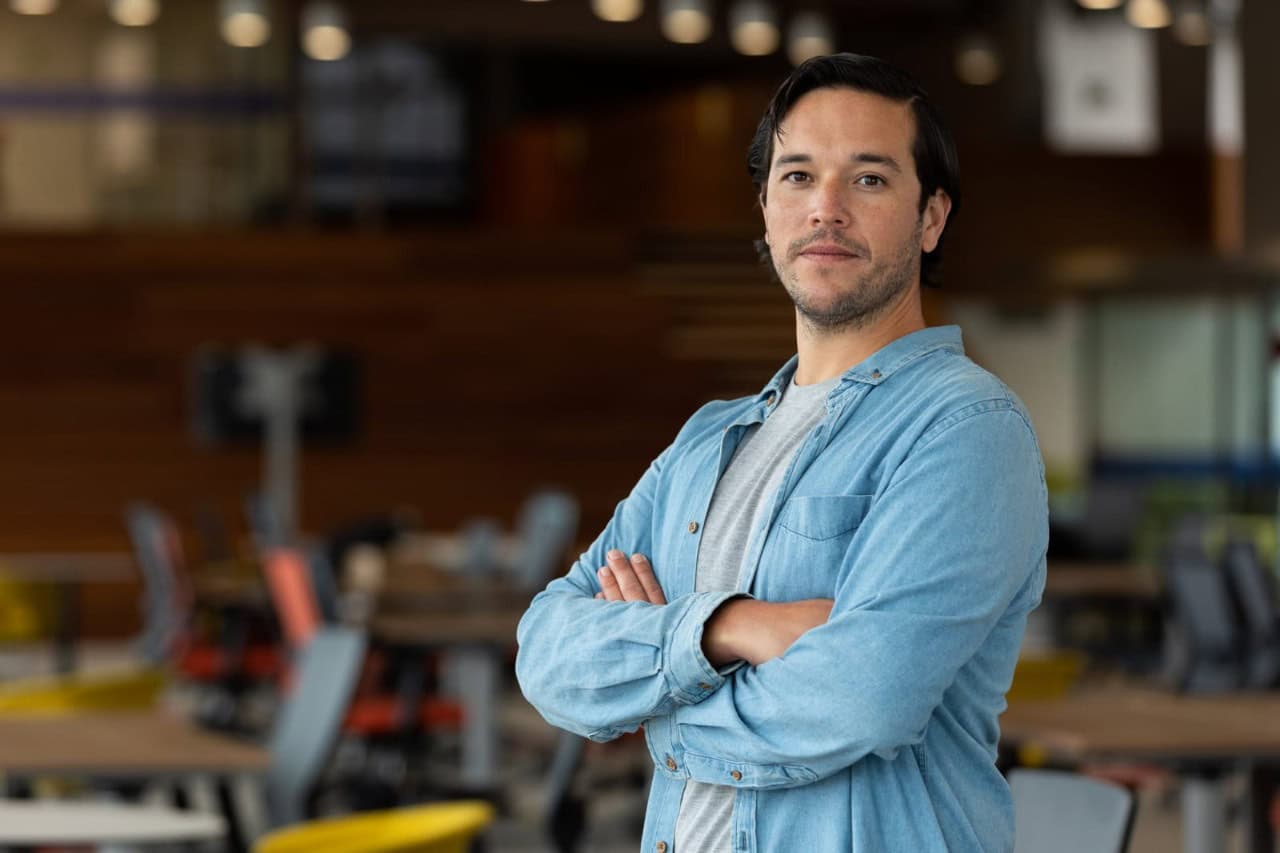
Lima's ADN.vc closes $2.5M first fund, betting on pre-seed fintech and proptech across Latin America

Chihuahua's quiet revolution: Orion Startups turns ten and proves venture capital can thrive far from the capital

Qatar and Koch Back Gatik's $200M Bet on Driverless Middle-Mile Freight
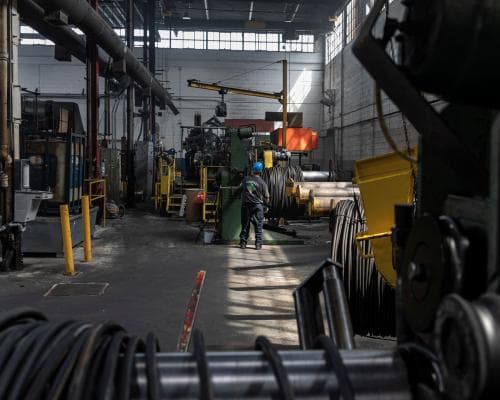
Trade War Escalation: Canada's 50% Retaliation Hits Steel, Cheese, and the Wealth Playbook
Continuously Updated
Business & Wealth in North America

Helcim's $53M Bet: The Canadian Fintech Cashing In as Banks Abandon Small Business
Helcim raises $53M CAD Series C led by BDC as Canadian banks exit small business payments, hitting $150M ARR and 22,000 merchants.

Palenca's $4M round turns Mexico's invisible incomes into bankable data
Mexican income-verification startup Palenca raises $4M led by Experian to unlock credit for the informal economy.

The Slow Unraveling: Why the 2032 Gambling Logo Phase-Out Is the Ultra-Wealthy’s Quietest Status Signal
Australia’s decision to keep betting logos on sports jerseys until 2032 is not just a policy compromise—it’s a cultural time capsule of how the super-rich navigate legacy, morality, and the long game of influence. For collectors of rare experiences and arbiters of taste, the real luxury is knowing when to walk away from the table.

Guzman y Gomez retreats from US dream, bets everything on 1,000 Australian stores
GYG abandons US expansion after heavy losses, doubling down on a 1,000-store Australian target that will define its future.
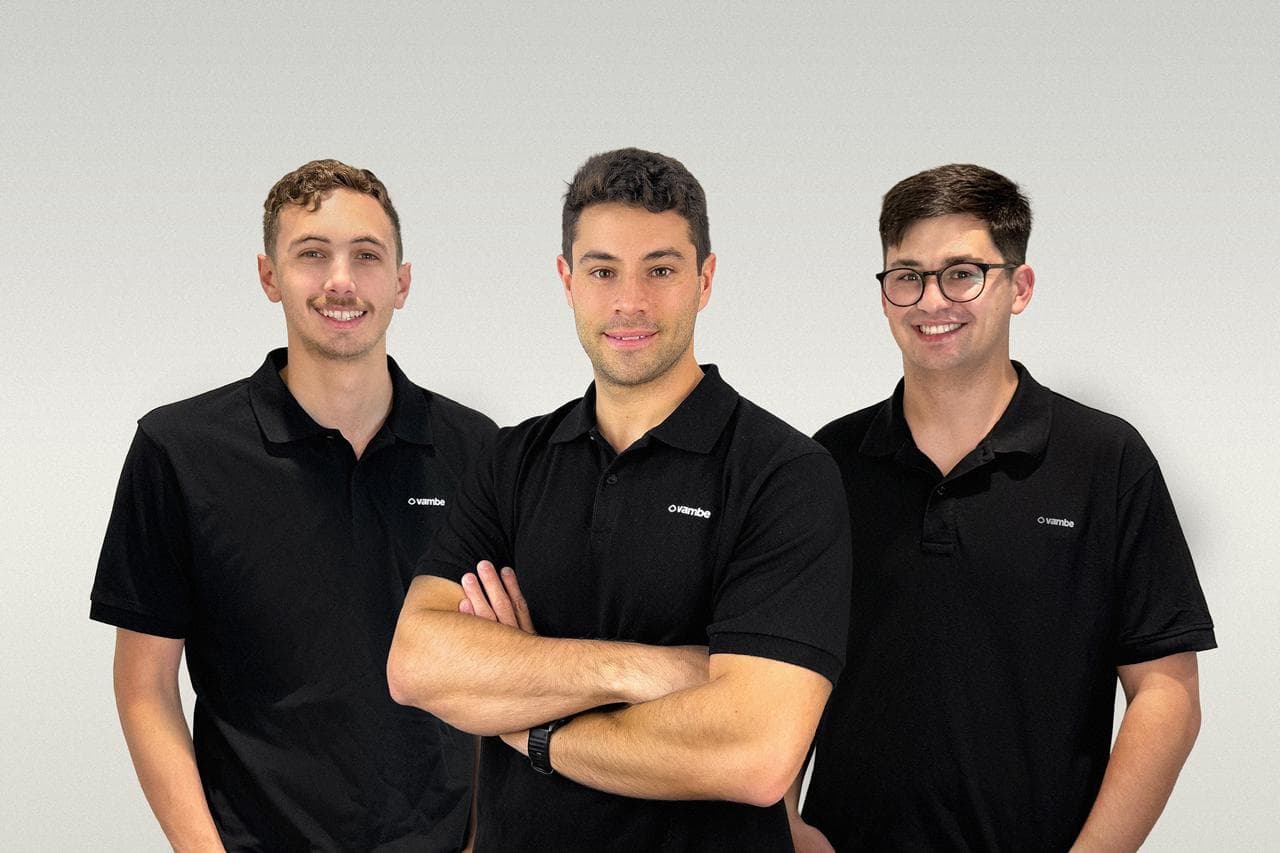
Vambe's $14M Series A bets on AI agents that sell, not just chat
Vambe raises $14M led by Monashees to scale AI conversational commerce in Chile, Mexico, and Brazil by 2026.
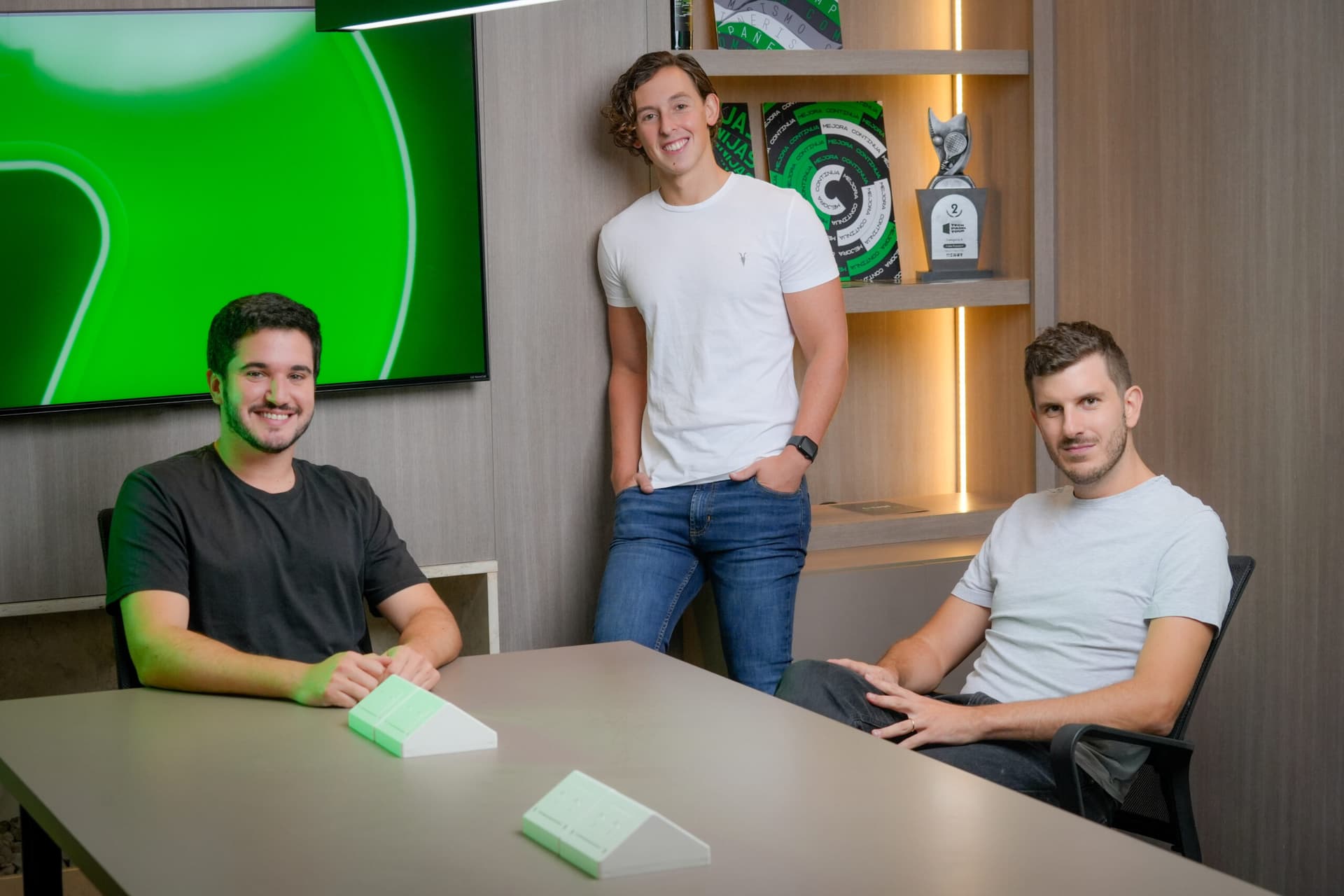
Kaszek backs Tapi's $27M bet to wire Mexico's cash economy into the digital age
Tapi closes $27M Series B led by Kaszek to expand in Mexico, automating collections for SMEs and reshaping regional payments.
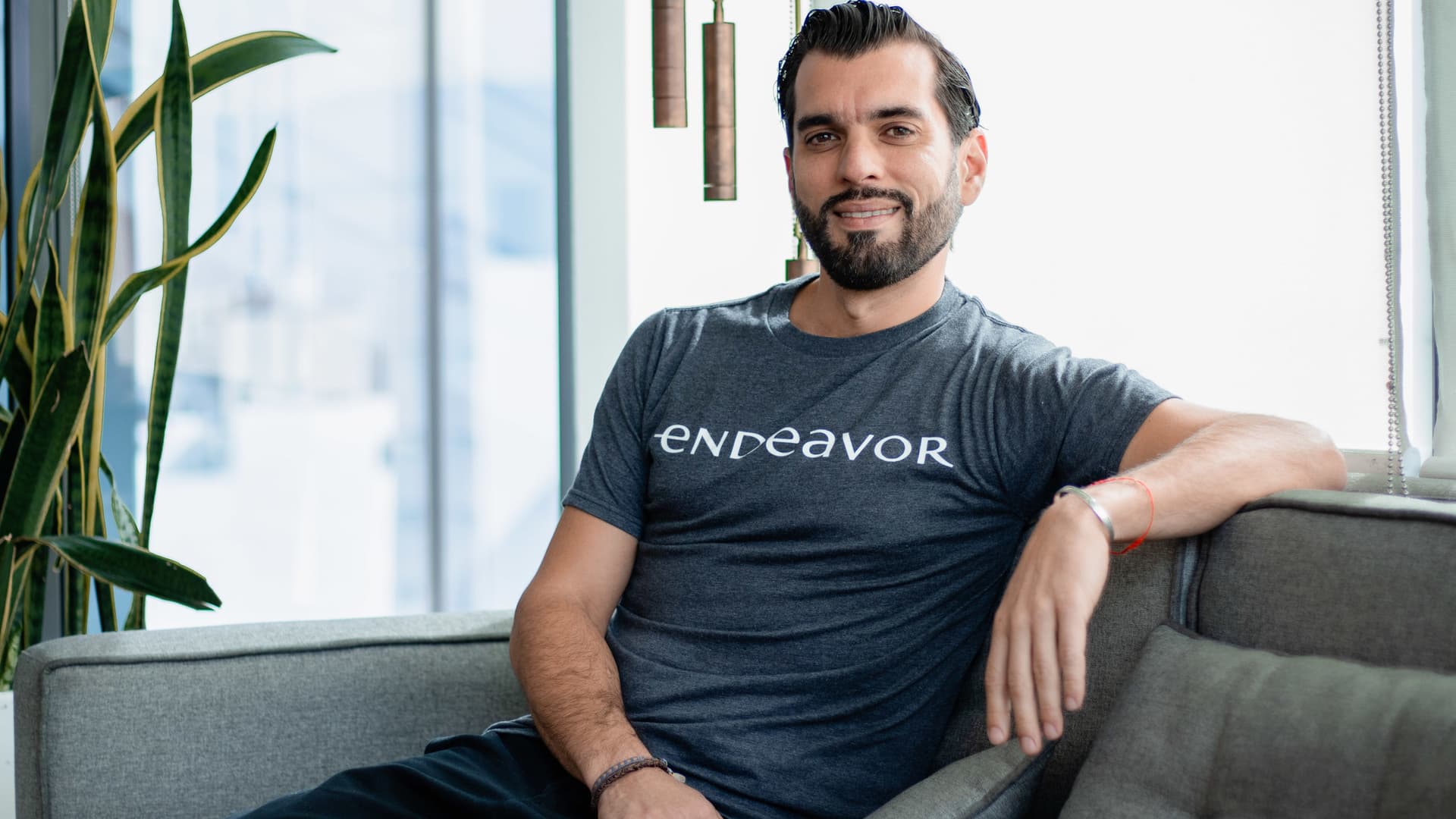
Mexico's startup scene grows up: Endeavor sees a counter-cyclical boom
Endeavor Mexico's CEO says startups are consolidating, with AI adoption, corporate collaboration, and returning venture capital despite weak public support.
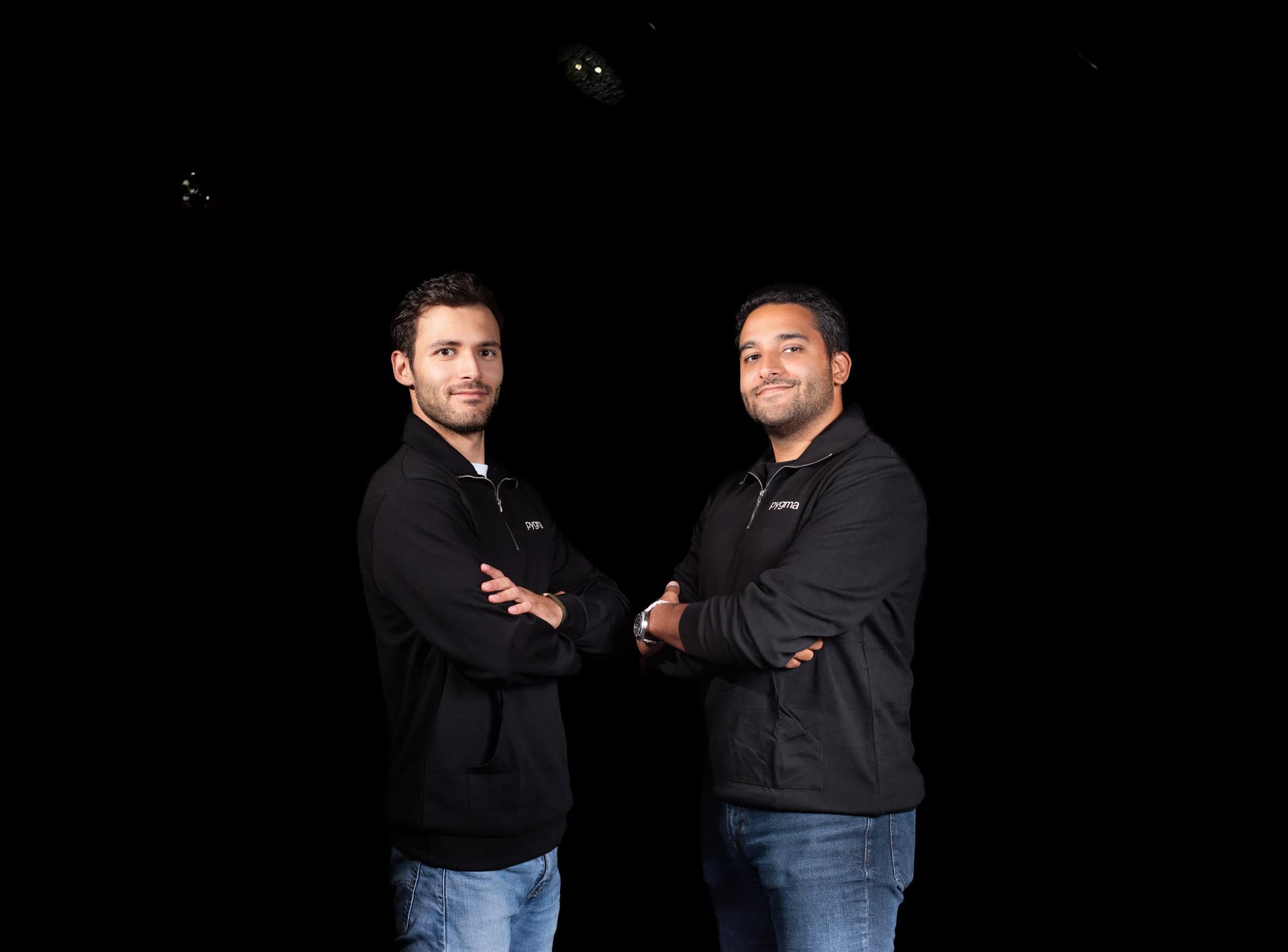
Pygma's PY9 takes Latin American fintech founders to San Francisco for the first time
Pygma opens PY9 applications, moving its fintech accelerator finale to San Francisco, signaling a shift toward profitability and global connections.
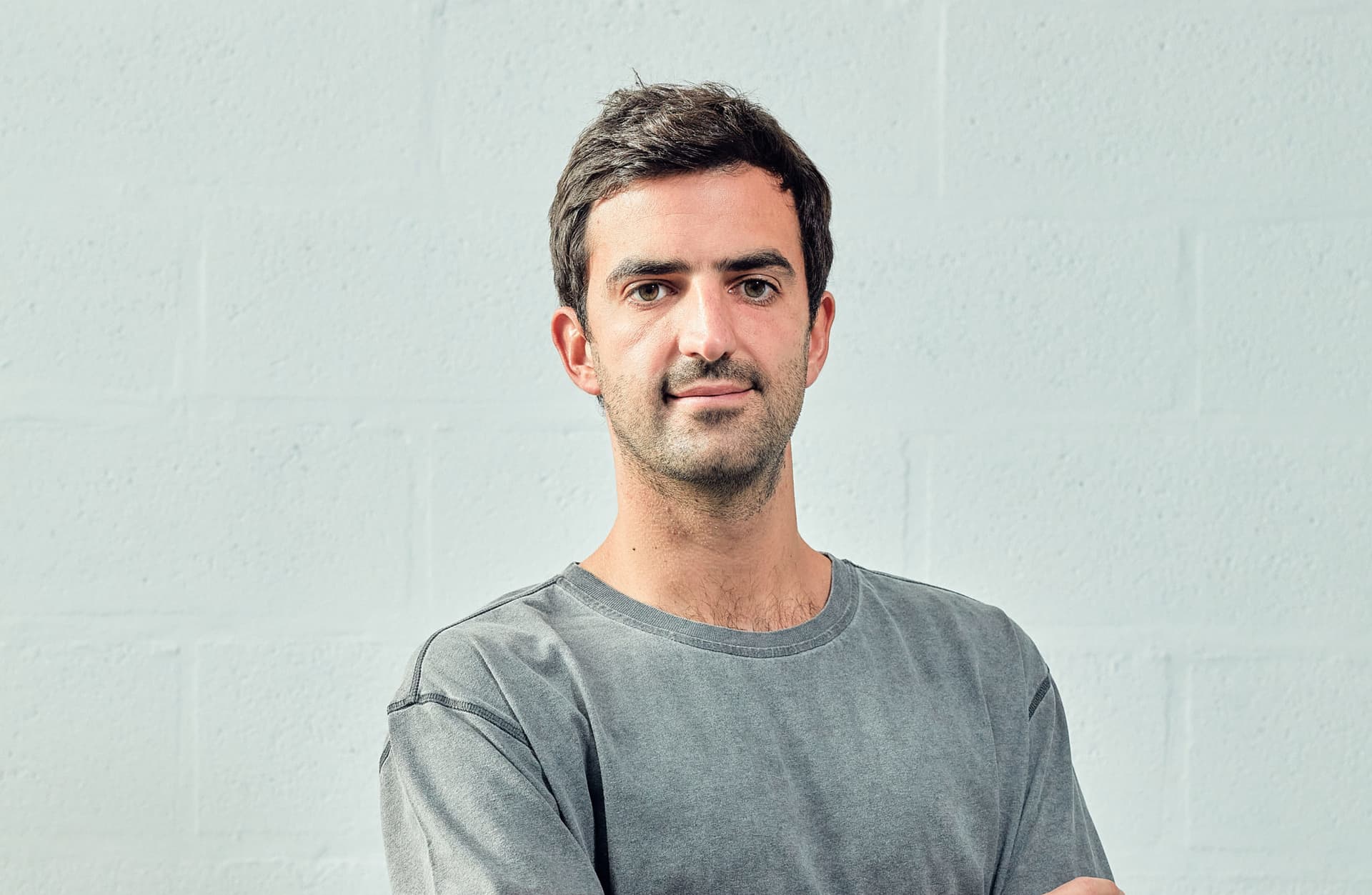
Mexico's Luca banks $8M to scale AI classrooms across Latin America
Mexico's AI-powered EdTech Luca raises $8M led by 6 Degrees Capital to expand across Latin America after tripling revenue in 2025.

Cobre bets on making B2B payments as easy as texting in Mexico's export boom
Colombian fintech Cobre targets Mexico's export sector, simplifying B2B payments amid a regional shift toward instant transfers.

Central America's startups stop testing, start scaling — and the money is following
Central America's startup scene matures: fintech leads, SaaS grows, and regional firms now chase global markets.

Preply's $150M bet: Can human tutors outlearn Duolingo in Latin America?
Preply raises $150M at $1.2B valuation, targeting Mexico and Latin America with AI-assisted human tutoring.
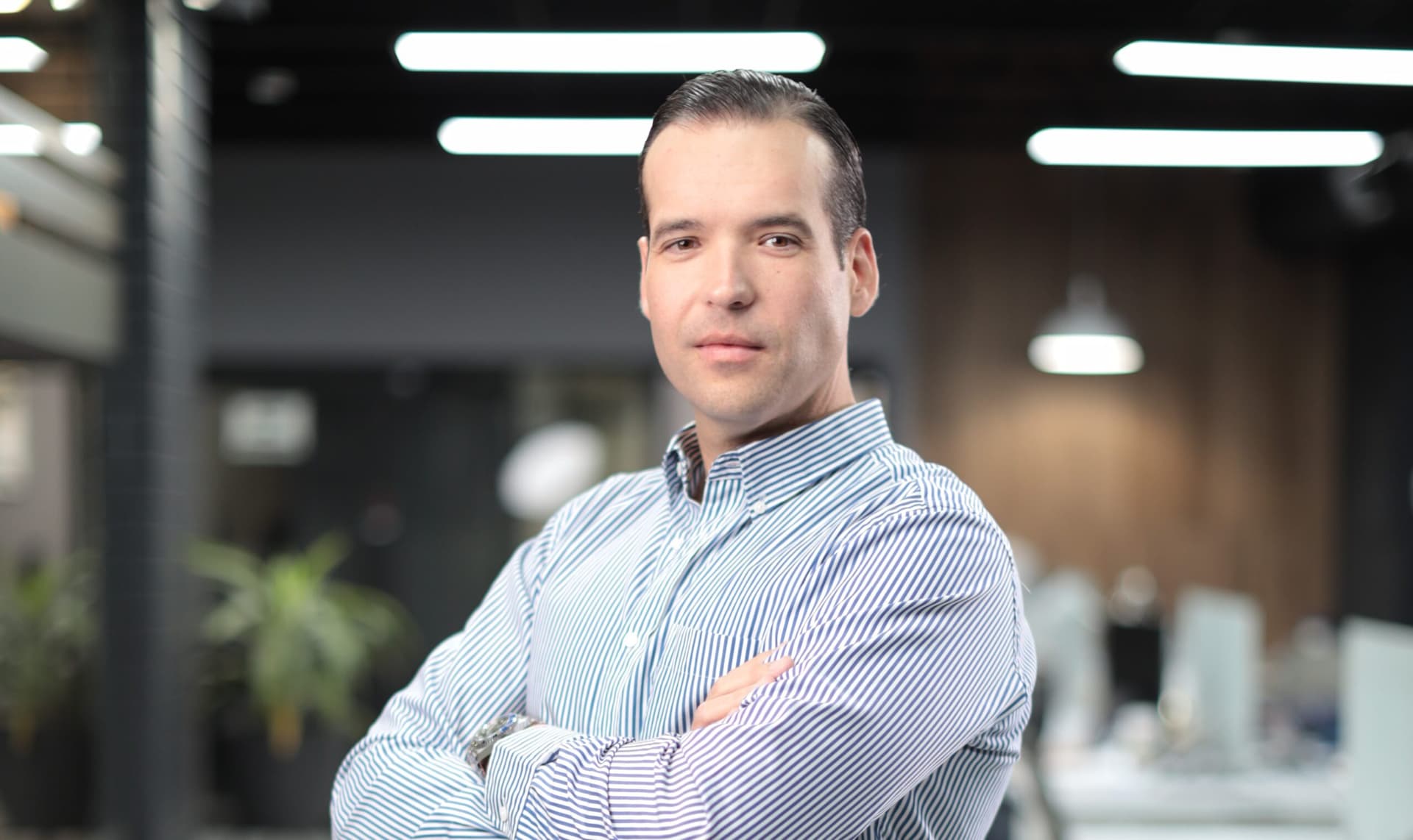
AurumCore's Mexican roots reshape fintech from Mexico City to Madrid
AurumCore, led by fintech veteran Ernesto García, builds core banking infrastructure for Mexico and Europe, targeting unbanked LatAm and Silver Economy niches.

Mexico's Emmi bets on AI to rescue teachers from burnout and reshape classrooms
Mexican EdTech startup Emmi uses AI to cut teacher admin work, boost math skills, and expand across Latin America.

Cora takes on Latin America's 6.9-hour bureaucracy with AI compliance
Mexican startup Cora uses AI to slash regulatory compliance times, cutting procedures from weeks to minutes with zero fines for clients.