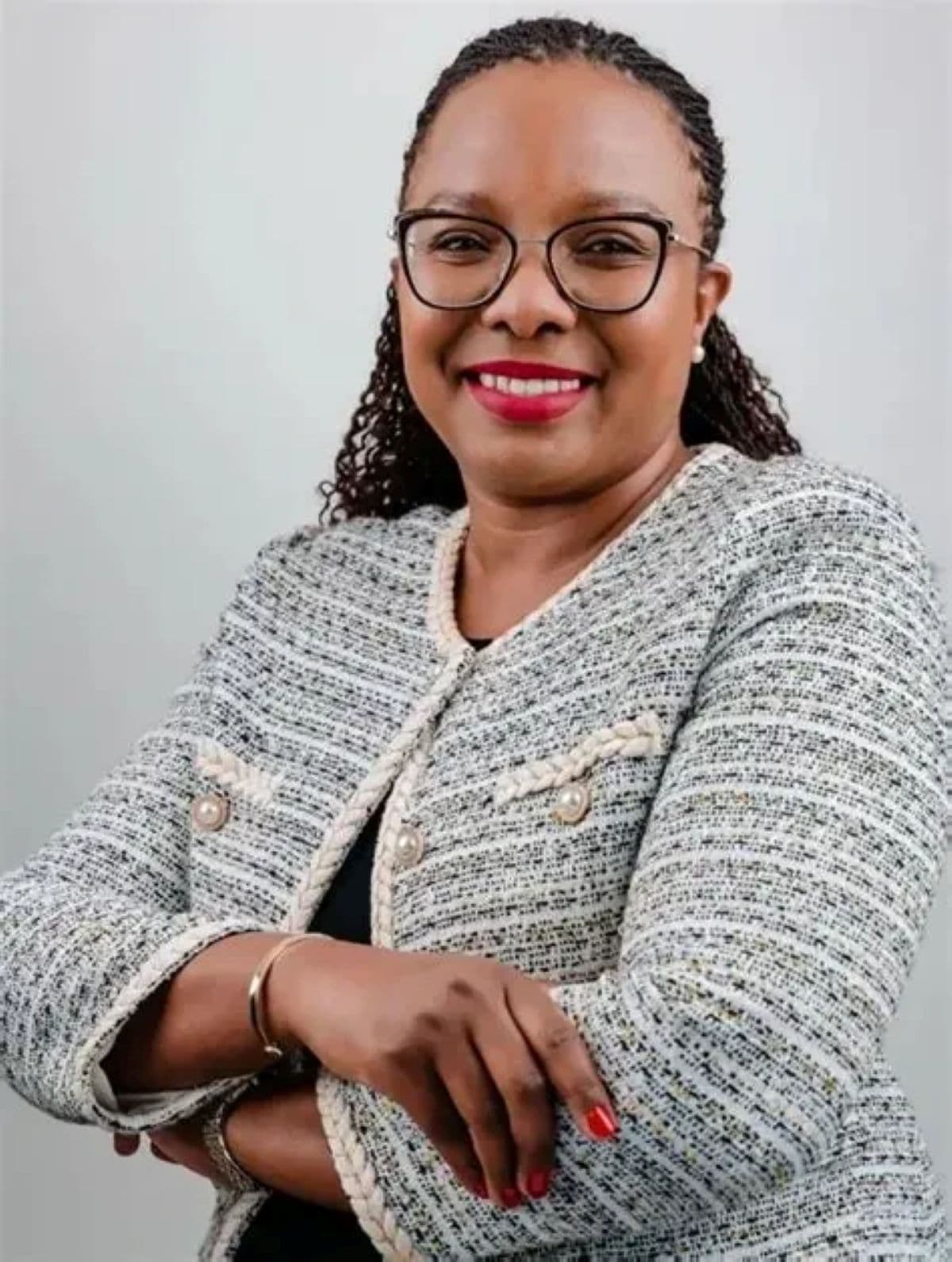
Sanlam Allianz Kenya Hands CEO Role to Jacqueline Karasha as Insurer Folds Subsidiaries Into Listed Parent
Jacqueline Karasha takes over Sanlam Allianz's NSE-listed Kenyan arm on November 1, 2026, succeeding Dr Patrick Tumbo as the group consolidates its insurance operations.
Read the StoryAfrican Billionaires: How the Continent’s Great Fortunes Are Built
African wealth is built differently. Where Silicon Valley fortunes come from software that scales without factories, the continent’s largest fortunes were made in cement, telecoms, sugar, oil, banking and retail — businesses that supply fast-growing domestic populations rather than export to distant ones. That distinction shapes everything about how money is made and held in Africa.
The result is a class of industrialists rather than founders: owners of physical infrastructure who spent decades building plants, distribution networks and licences in markets others considered too difficult. Their fortunes are less volatile than technology wealth and far more entangled with the economies around them, because they own the roads goods travel on rather than an app that rides atop them.
World Billionaire Day follows that story — the deals, expansions, listings and successions that move African capital, reported from the markets themselves rather than filtered through distant coverage.
What shapes wealth creation across Africa
Import substitution has been the single most reliable route to an African fortune. Building domestic capacity for something a country previously imported — cement, fertiliser, refined fuel, packaged food — captures an existing market rather than creating one, and governments have historically protected those who attempt it.
Scale follows population, not GDP per head. Nigeria, Egypt and Ethiopia offer consumer markets large enough that thin margins compound into enormous businesses. Telecoms and consumer goods fortunes across the continent rest on serving very large numbers of people very cheaply.
Access and licensing matter more than in mature economies. Ports, spectrum, mining rights and banking licences are gatekept, and the ability to secure and hold them is itself a competitive moat — one reason African wealth concentrates among a relatively small number of long-established groups.
Capital is increasingly staying home. A generation of technology founders in Lagos, Nairobi and Cairo is now raising internationally while building locally, creating the continent’s first meaningful cohort of fortunes made from software rather than steel.
Who is the richest person in Africa?
Aliko Dangote of Nigeria has held the position for over a decade, with a fortune built on the Dangote Group’s cement, sugar and refining operations. His Lagos refinery is among the largest single industrial projects ever undertaken on the continent. Rankings shift with commodity prices and currency movements, so figures are estimates rather than audited totals.
Which African countries produce the most billionaires?
Nigeria, Egypt and South Africa consistently account for the majority, reflecting their market size, established capital markets and industrial bases. Morocco, Algeria, Kenya and Zimbabwe also appear regularly, usually through banking, telecoms, mining or agriculture.
How does African billionaire wealth differ from American or Asian wealth?
It is more industrial and less technological. African fortunes are typically concentrated in physical businesses — manufacturing, commodities, telecoms infrastructure and retail — that serve domestic consumers. That makes them more exposed to currency and political risk, but also less prone to the sharp swings that follow technology valuations.
Is African wealth mostly inherited or self-made?
Overwhelmingly self-made and first-generation. Most of the continent’s largest fortunes were built by people still alive, which is why succession planning is becoming a defining question for African family businesses over the coming decade.
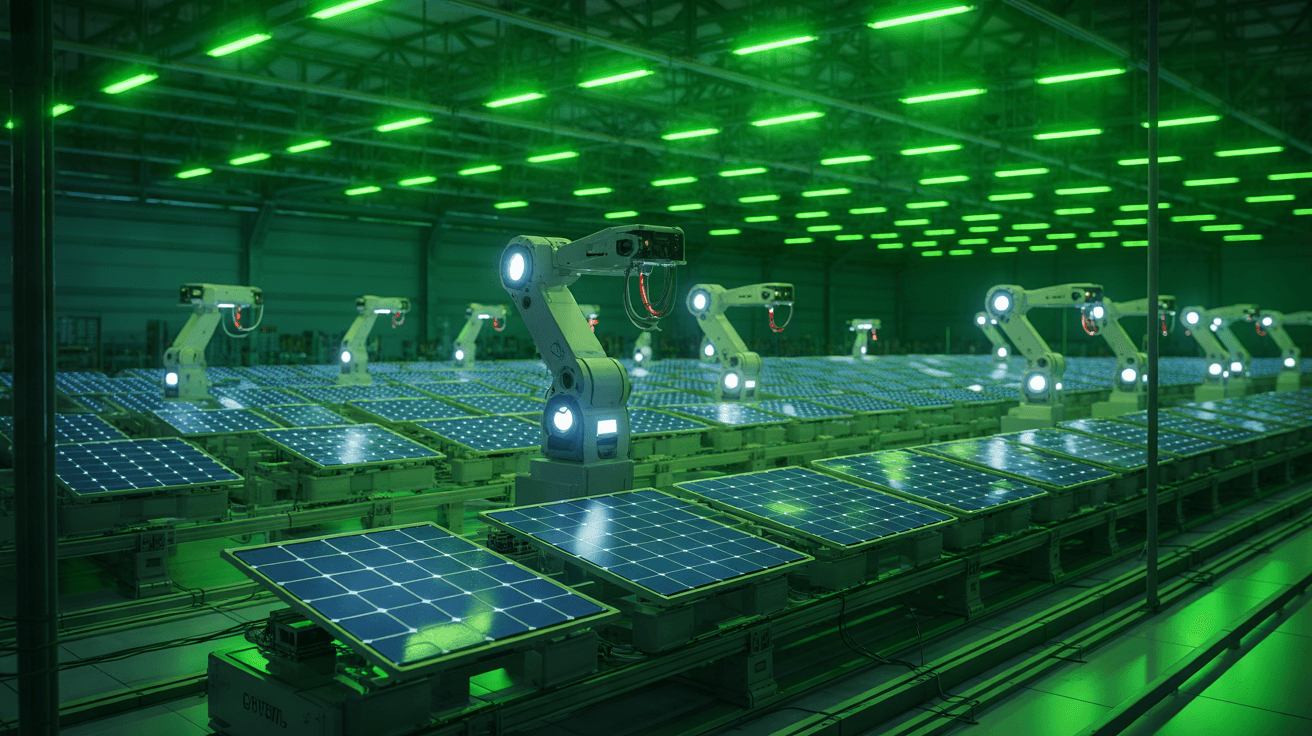
Optivolt Raises $32M Series A Led by VXI Capital to Scale Panel-Integrated Solar Electronics
Optivolt closed a $32M Series A led by VXI Capital, lifting total funding to $42M, to expand manufacturing of its Power Balancer solar electronics.
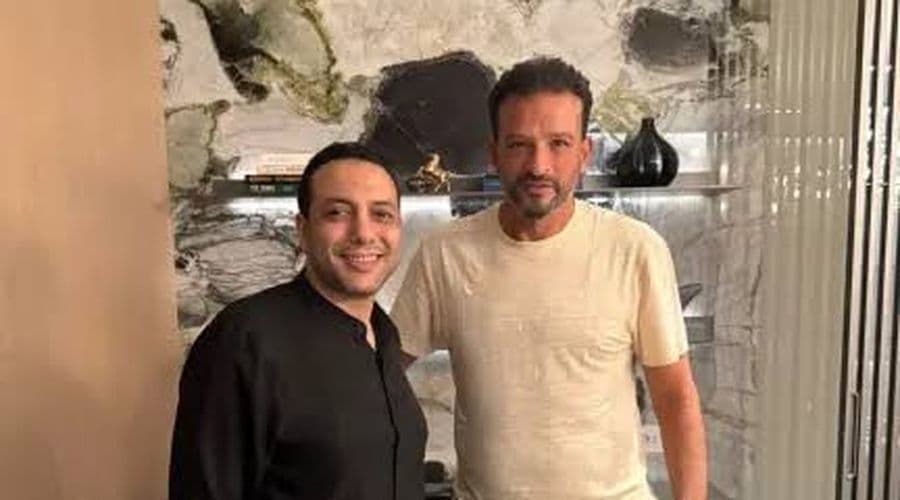
Aqar Exit's $2M Valuation: Ayman Mamdouh Abbas Bets on Egypt's Contract-Transfer Niche
Aqar Exit, founded by Mahmoud Ammar, raised $200,000 from Ayman Mamdouh Abbas for 10%, valuing the Egyptian proptech at $2 million as it eyes Gulf expansion.
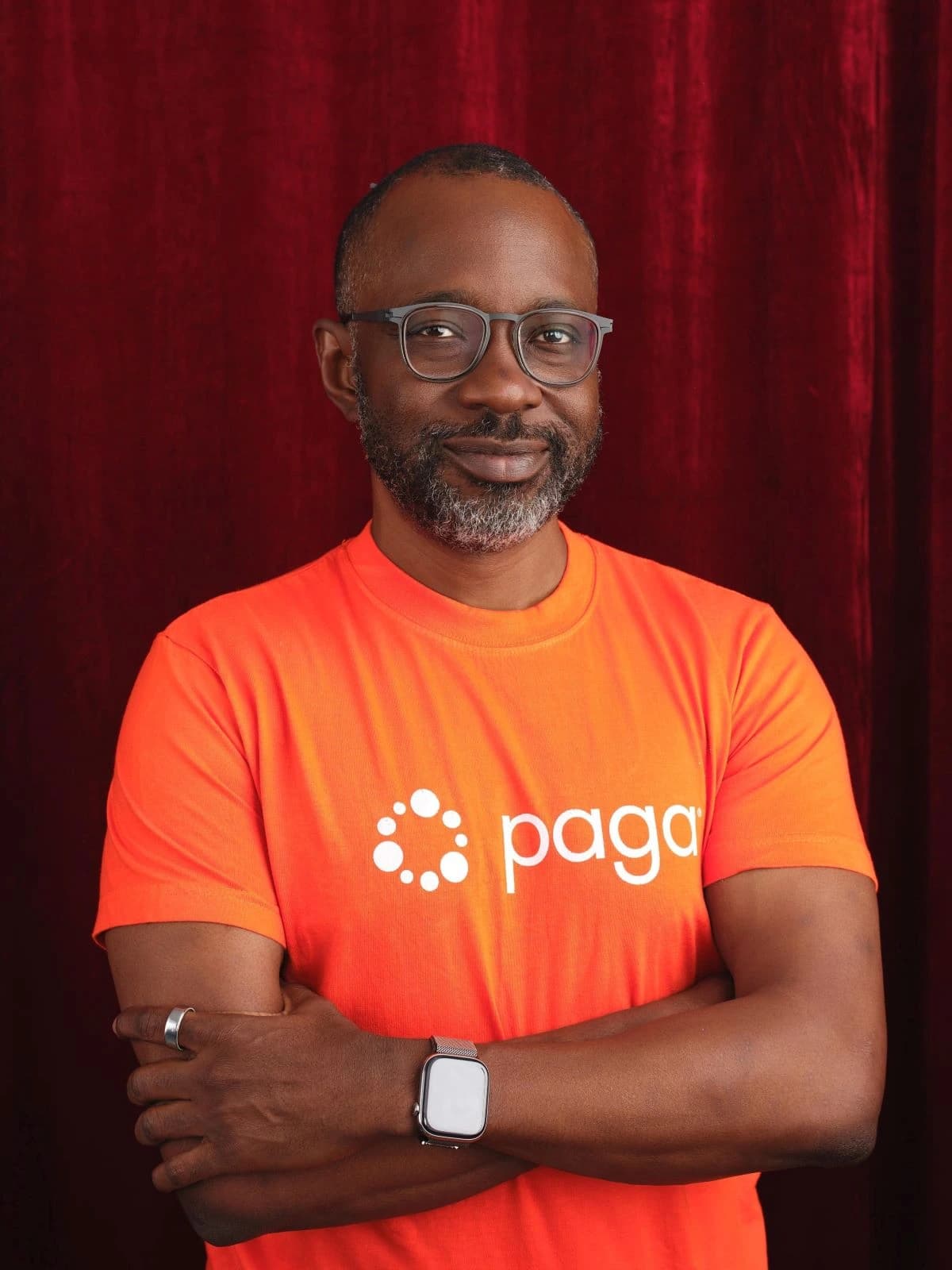
Paga CEO Tayo Oviosu: Why Stablecoins Alone Can't Fix Africa's 8.46% Remittance Trap
Paga CEO Tayo Oviosu explains why stablecoins solve speed but not liquidity, licensing or FX in African cross-border payments, as Sub-Saharan remittance costs hit 8.46%.

Mach9 Raises $34M Series A to Turn 3D Scans Into Engineering Drawings 10x Faster
Mach9 has raised $34M in Series A funding co-led by First Round Capital and Bessemer to scale AI software that converts 3D infrastructure scans into engineering drawings.
Deals, Moves & Markets
The Africa Brief
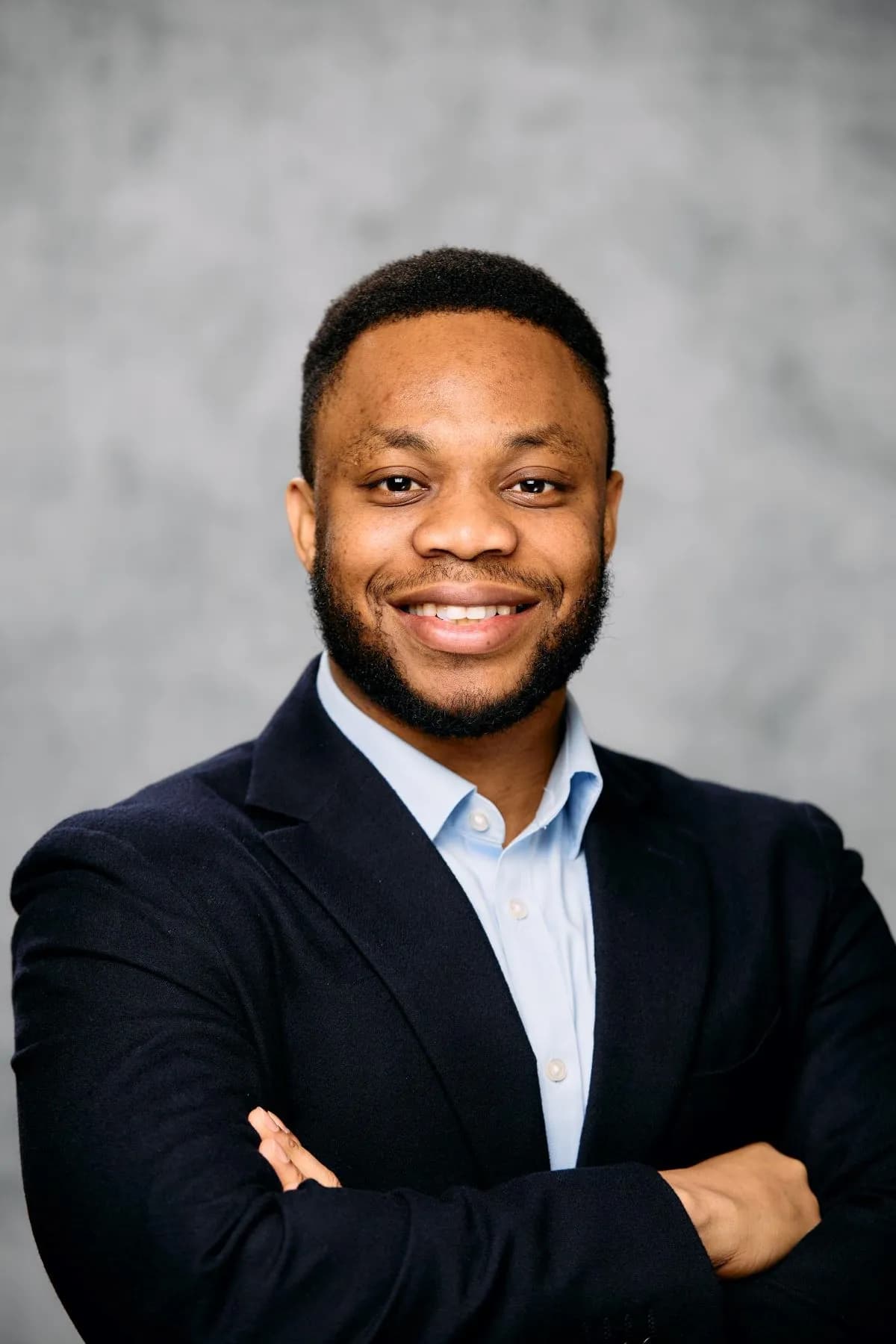
Kelvin Obasuyi: Nigeria's Payment Delays Are Quietly Raising the Cost of Trade
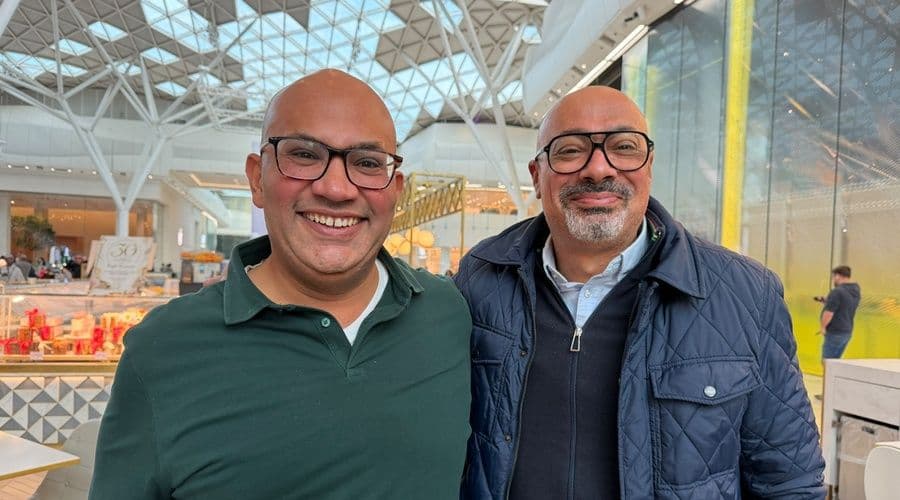
Hatem Dowidar Backs Egypt's Tactful AI as Former e& Chief Bets on Agentic Customer Experience

Roqqu plans blockchain tokens for Nigerian stocks after Dangote Refinery's $1.6 billion offer stayed onshore

Andrew Milne, Kuunda co-founder who wired credit into Africa's mobile money, dies at 54
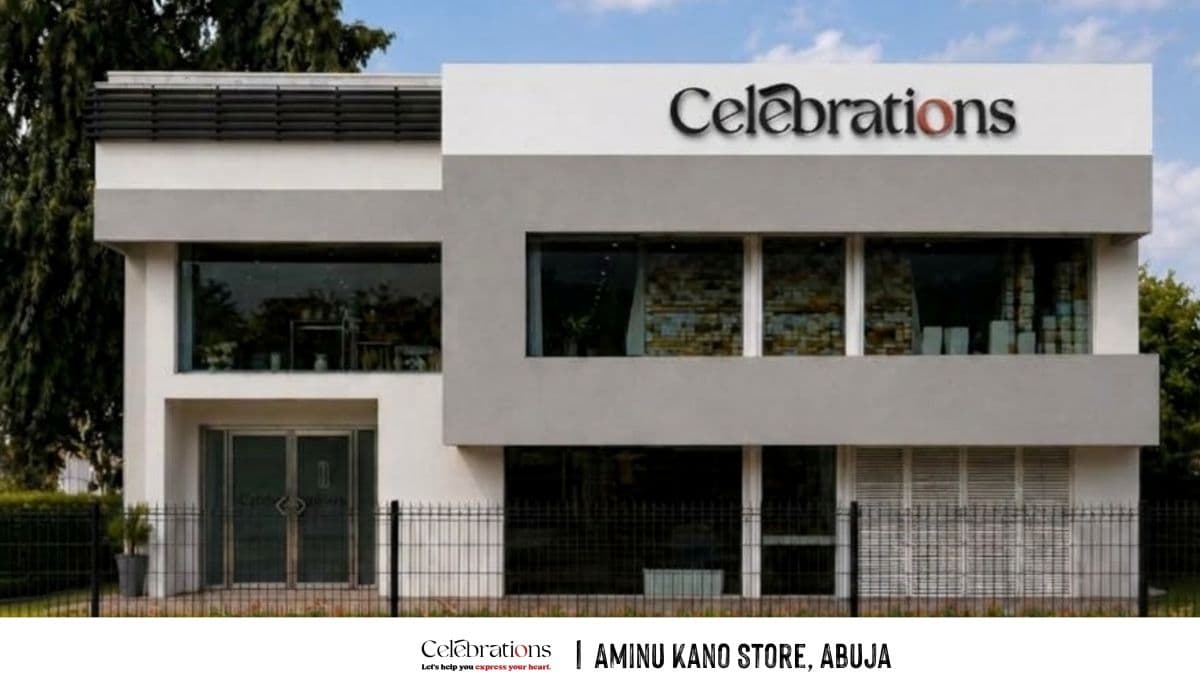
Celebrations Adds Three Independent Directors as 37-Year Nigerian Gifting Brand Prepares for National Expansion
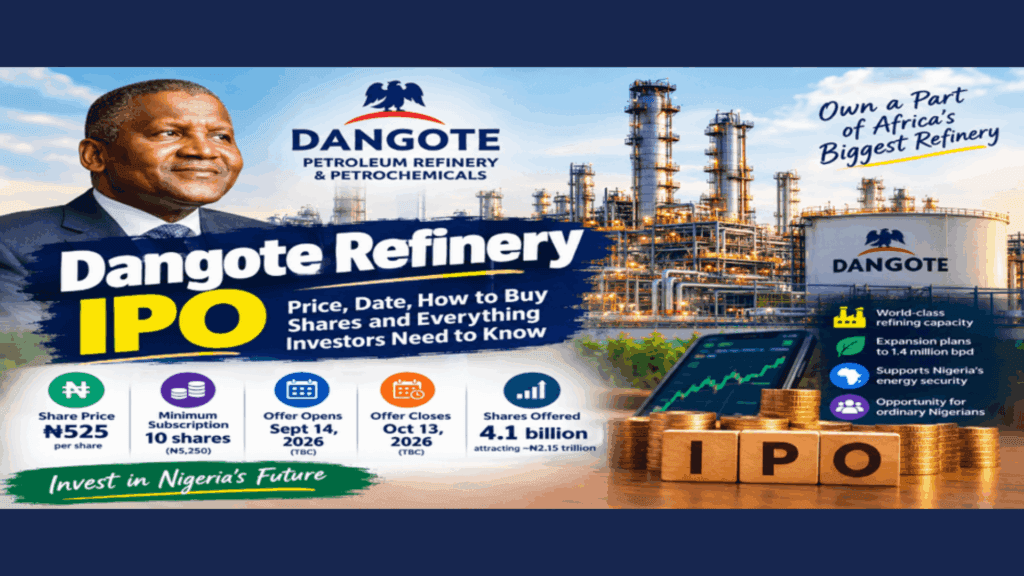
Dangote Refinery's $1.6bn IPO draws last-minute retail stampede in Nigeria

SWI Raises €800M to Convert Bitcoin Mining Power Into AI Computing
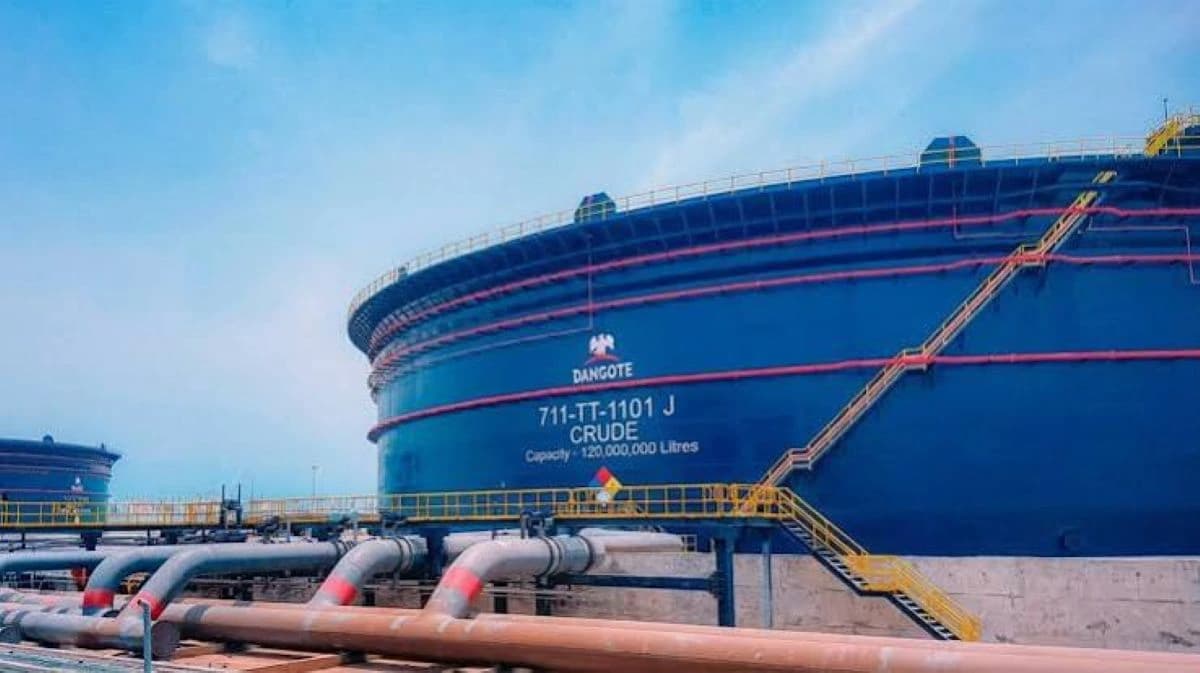
Dangote Refinery's $1.63bn IPO: the people's offering that rewrites African capital markets
Continuously Updated
Business & Wealth in Africa
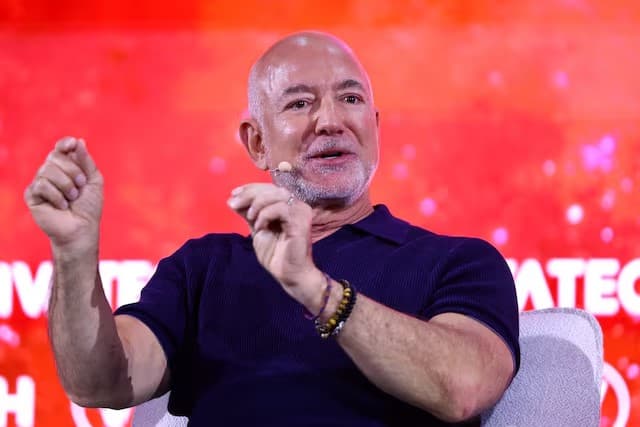
Bezos's $122 Billion Year: Why Blue Origin and Prometheus Are Rewriting the Wealth Map
Jeff Bezos added $122bn in a year as Blue Origin and AI startup Prometheus lifted his fortune to $372bn, second only to Elon Musk.
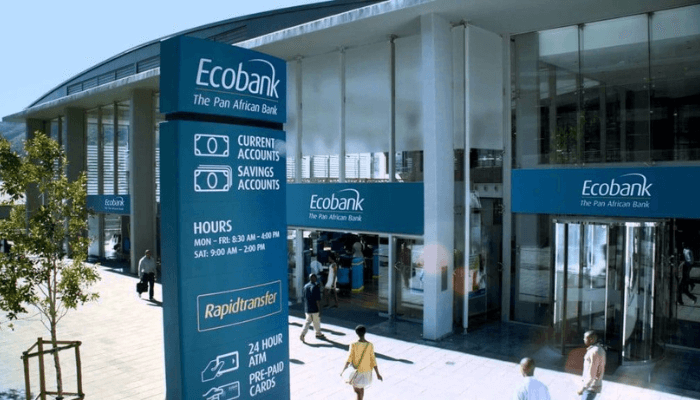
Ecobank signs on to China's CIPS as African banks race to wire the yuan corridor
Ecobank will join China's CIPS yuan settlement platform and is in talks with Bank of China, as African lenders build rails for rising China trade.
Dangote Report Projects Nigeria's Oil Output at 1.72 Million bpd by Late 2026 as Brent Holds Near $90
Dangote Group's H1 2026 report projects Nigeria crude output rising to 1.72 million bpd in Q4 2026, with Brent averaging $90 for the year.
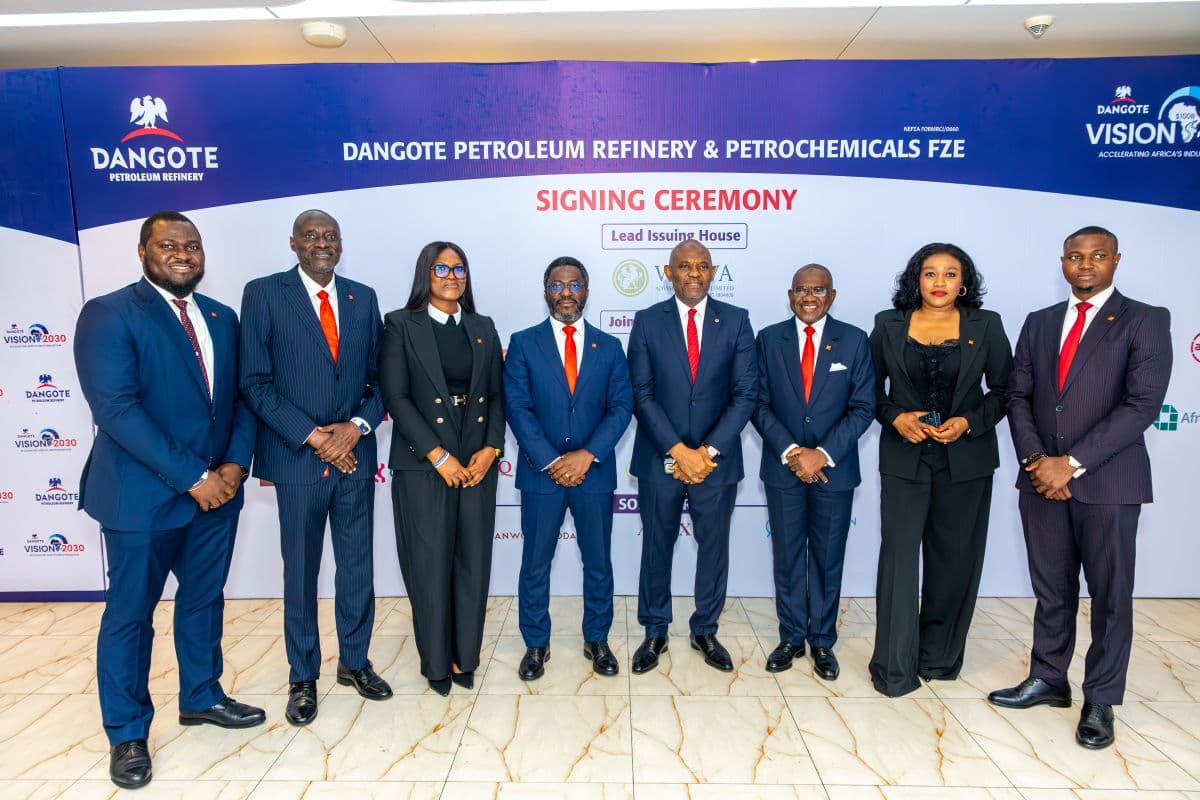
Dangote Refinery's ₦2.15 Trillion IPO Goes Cross-Border as United Capital Opens the Offer to Rwandan and Ethiopian Investors
United Capital is bringing the Dangote Refinery IPO to investors in Rwanda and Ethiopia, widening access to Nigeria's landmark public offer.
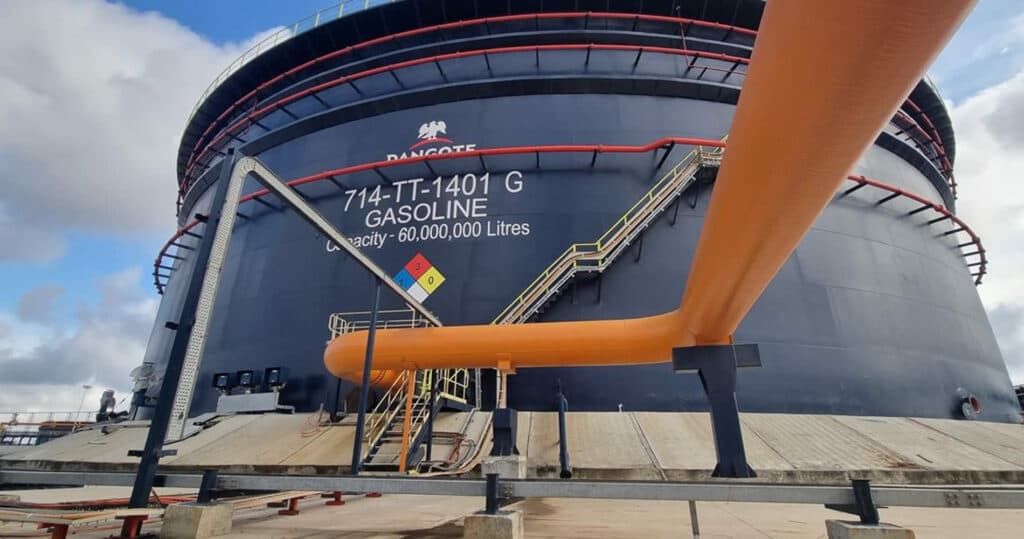
Dangote Refinery's IPO Is Chasing 10 Million Nigerian Investors — a Bet on a Country's Savings Habits
Dangote Refinery's IPO aims to draw 10 million retail investors, a record that would transform Nigeria's narrow capital market and test household savings.
FMDQ CEO Zeal Akaraiwe Explains Why Nigeria's Fintechs Can't Trade Forex Directly
FMDQ CEO Zeal Akaraiwe says fintechs can't trade Nigeria's FX market directly, citing dealer licences, exchange controls and stablecoin pressure.
Vios Energy chief warns Nigeria's grid could be abandoned like Pakistan's as battery costs collapse
Vios Energy CEO Sola Arifayan warns Nigeria could face a Pakistan-style grid exit if battery prices keep falling and grid reliability does not improve.
Dangote's NGX portfolio swells by N1.47 trillion as cement rally outruns sugar slump
Dangote's listed NGX holdings rose N1.47tn in Q3 2026 to N16.54tn, powered by Dangote Cement's 10.8% rally even as NASCON slipped.
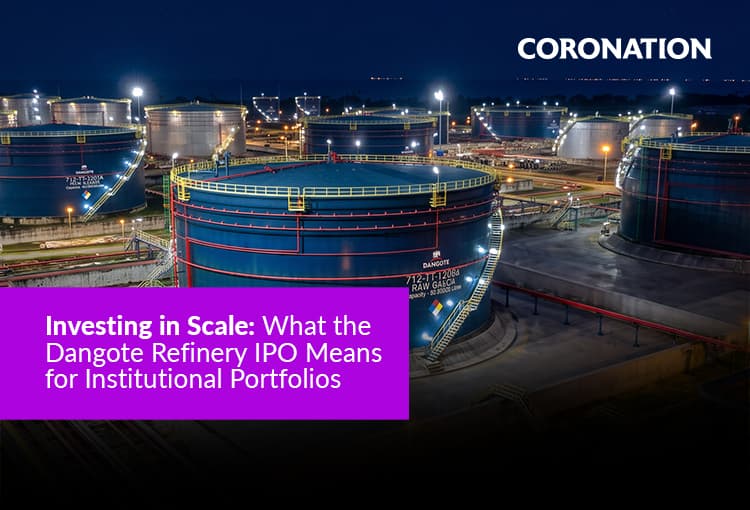
Dangote Refinery's $19 Billion Bet Hits Nigeria's Stock Market — and Institutions Must Do the Math
Dangote Refinery's IPO brings a $19bn asset to Nigeria's exchange. Institutions weigh ₦65tn equity value against volatile refining margins.
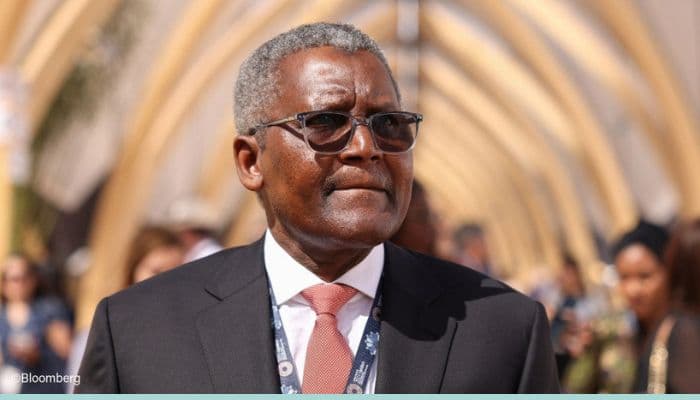
Dangote Refinery IPO Sets 10 Million Investor Target Against Nigeria's Six Million Base
NGX chair says Dangote Refinery IPO aims for 10 million retail investors, more than Nigeria's entire active investor base, testing market depth.
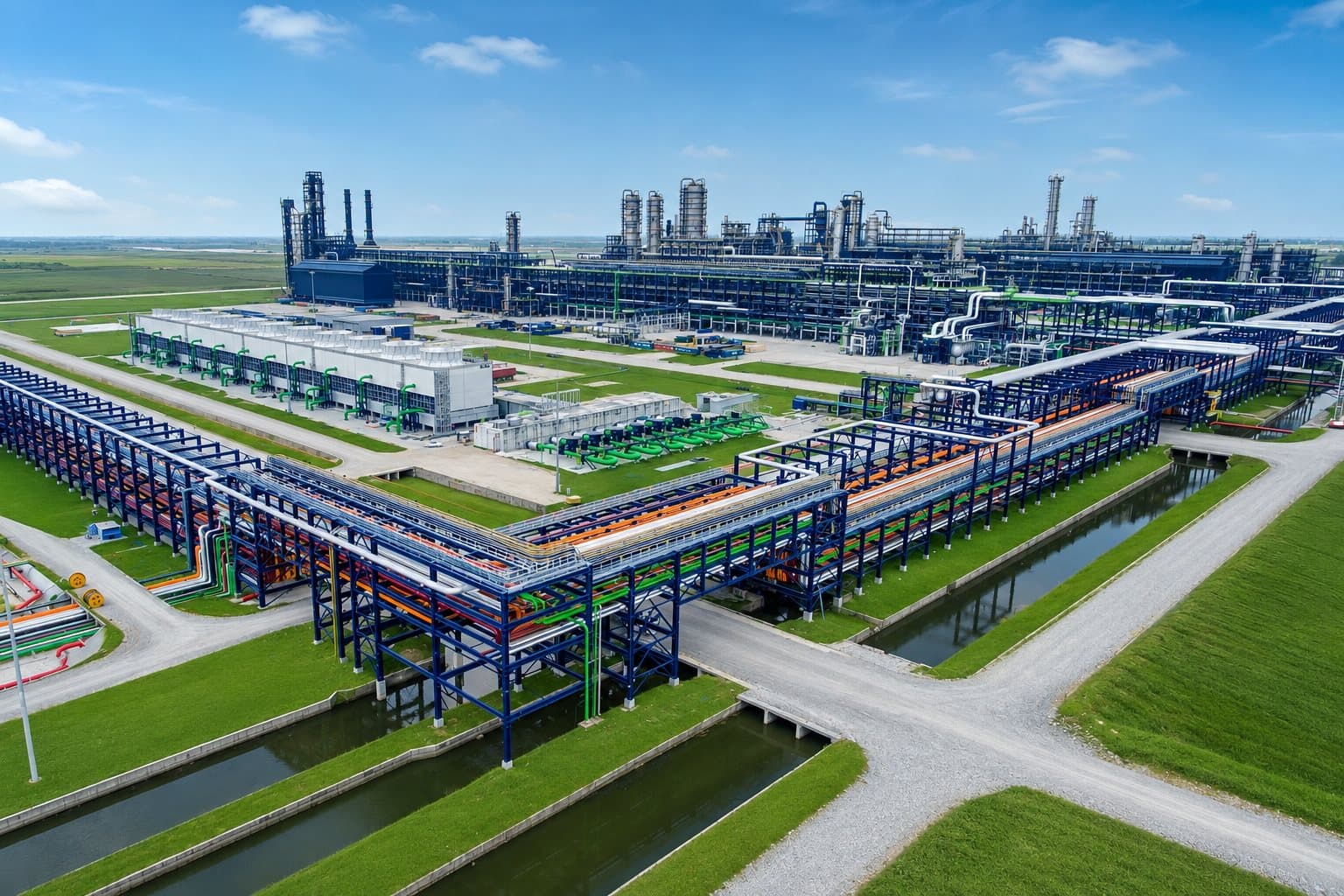
Dangote Refinery IPO Opens to Kenyan and Ugandan Investors as East Africa Secures 20% of Float
Uganda and Kenya fast-tracked approval for local investors to buy into the $16bn Dangote Refinery IPO, with East Africa securing nearly 20% of public shares.
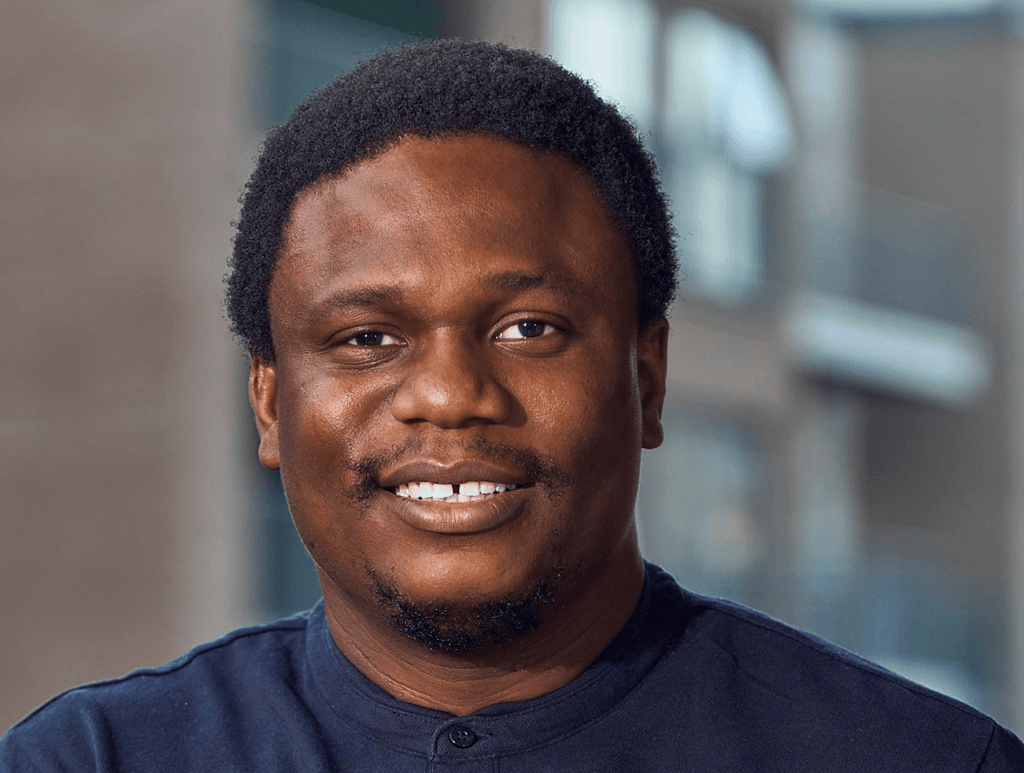
Moniepoint's Tosin Eniolorunda Says Nigerian Lenders Should Bet on Cash Flow, Not Collateral, as Formal Credit Use Jumps to 10%
Moniepoint CEO Tosin Eniolorunda urges Nigerian lenders to lend against transaction data, not collateral, as EFInA finds formal credit use rose to 10% in 2026.

Primedia Broadcasting Splits the CEO Seat as South African Radio Confronts Its Digital Reckoning
Primedia Broadcasting names Kelvin Storie and Mzo Jojwana as co-CEOs, pairing commercial growth with content strategy across 702, 947, CapeTalk and Kfm.
Kenya's CMA Clears GDR Route for Dangote Refinery IPO, Opening Nairobi Door to Nigeria's Mega-Listing
Kenya's CMA approves a GDR prospectus from Renaissance Capital, letting Kenyan investors join the Dangote Refinery IPO via the NSE.
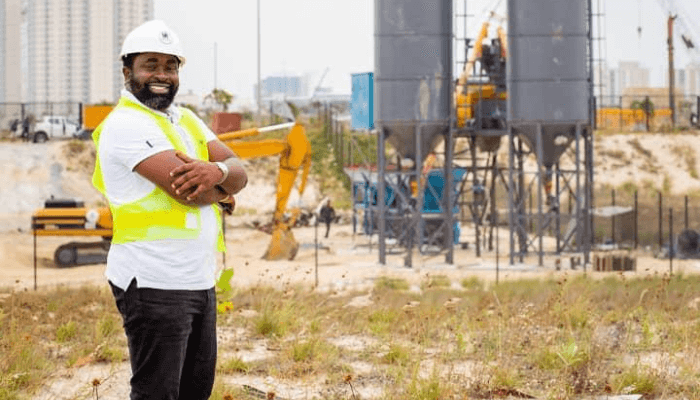
Ikoyi land hits N6m per square metre — and Oak Holdings' CEO says the maths doesn't add up
Oak Holdings CEO Olukayode Olusanya questions Ikoyi land prices tripling to N6m per sqm, as Lagos ranks Africa's second-priciest prime market.
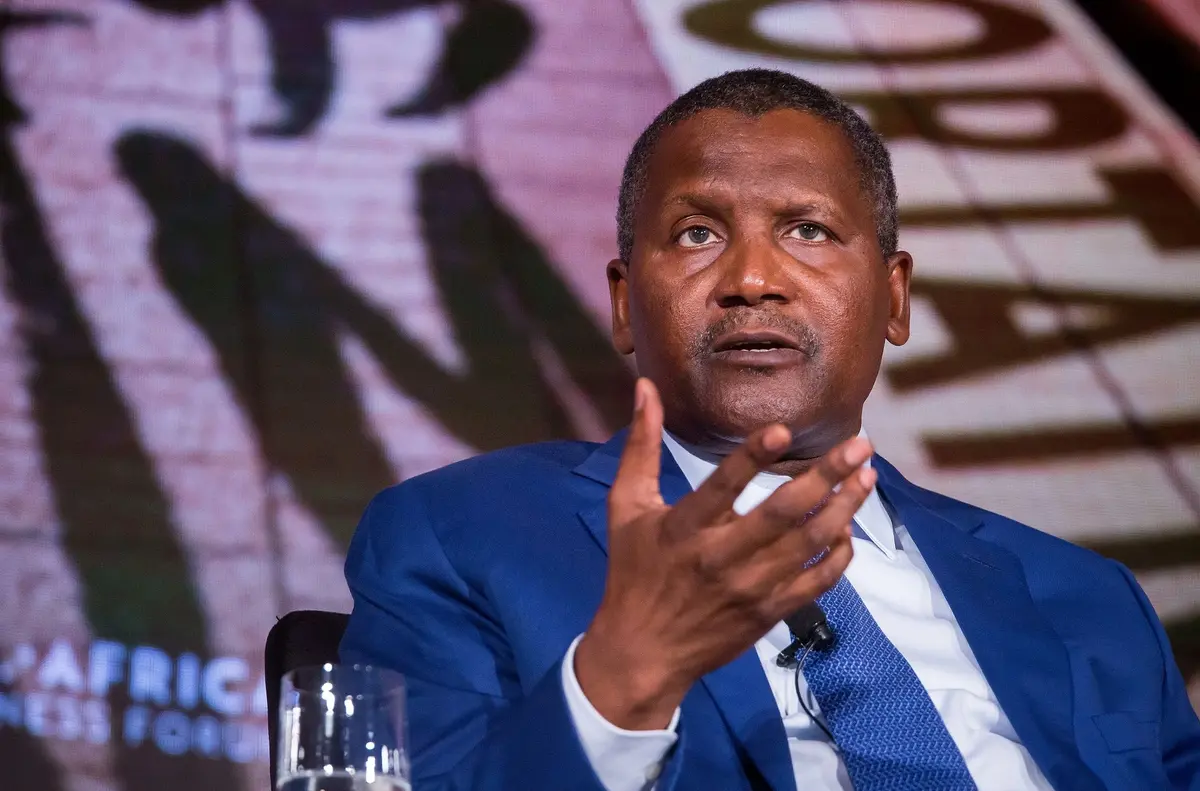
Kenya's $500 Million Dangote Refinery Stake Faces Consumer Scrutiny Over Land and Funding
Kenya's consumer federation demands transparency on the country's proposed $500M stake in Dangote's $17B Lamu refinery, citing land and funding concerns.

Dangote's $1.62bn IPO is Nigeria's biggest test of local capital yet
Dangote Refinery's $1.62bn IPO could prove whether Nigeria's public markets can finally give VC-backed startups a credible exit.
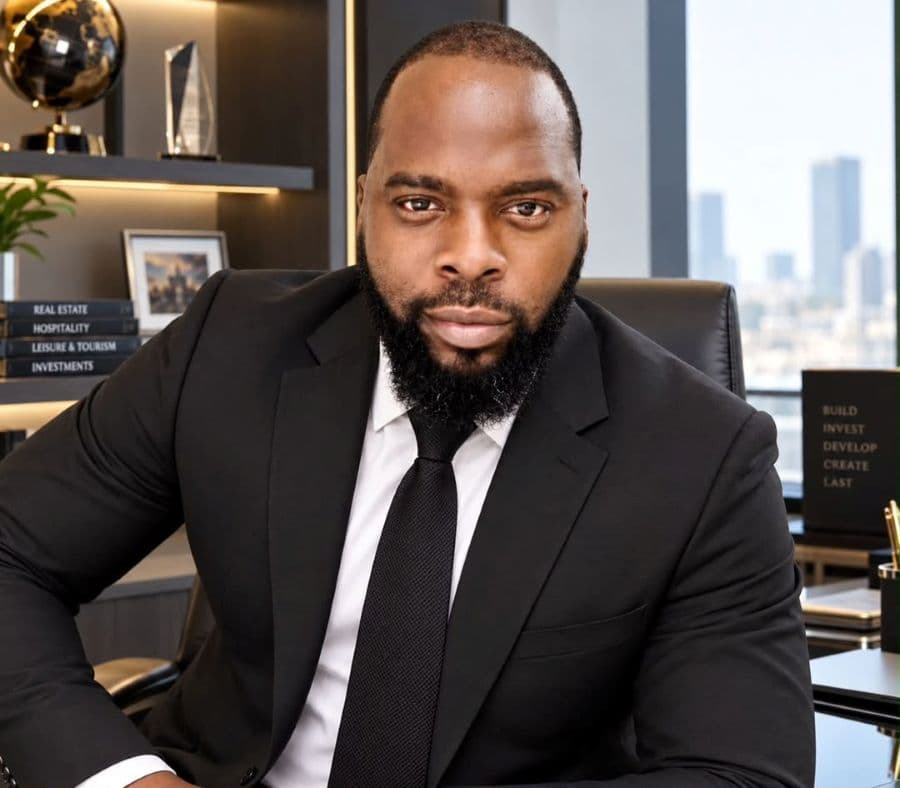
Keji Giwa Tells CNBC Africa Nigeria's $100bn Tourism Dream Needs Concrete, Not Calendars
Giwa Gardens founder Keji Giwa tells CNBC Africa Nigeria must pair its 100-day tourism calendar with private capital and hard infrastructure to build a $100bn economy.
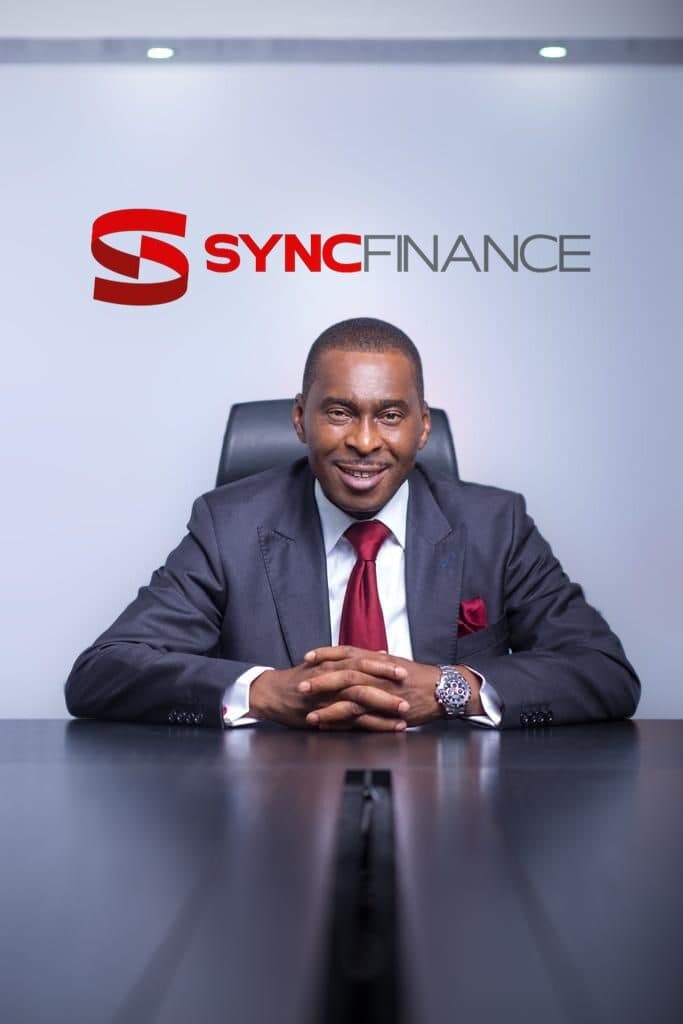
Landmark Africa founder Paul Onwuanibe to chair Sync Finance board from October 2026
Sync Finance appoints Landmark Africa CEO Paul Onwuanibe as board chairman, effective October 1, 2026, after CBN no-objection.
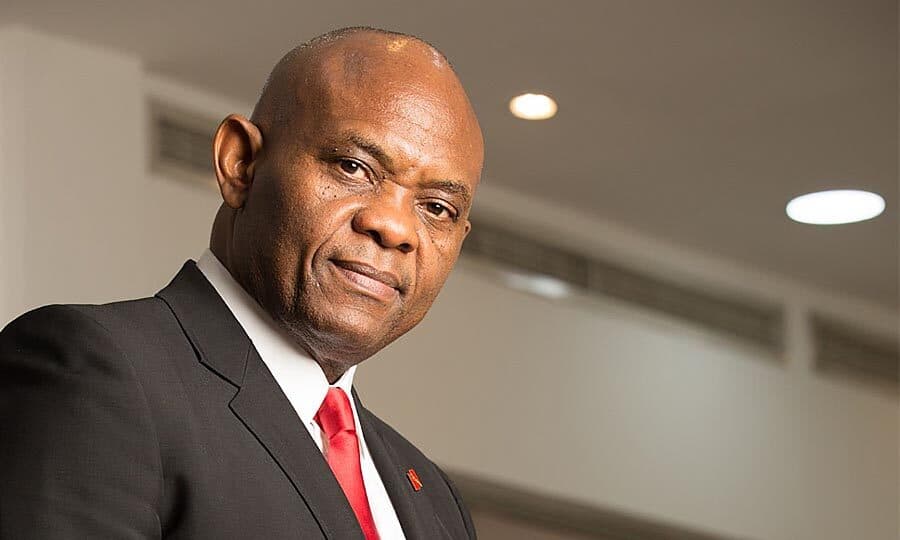
Elumelu Adds 6 Million Seplat Shares as Stake Climbs to 21%
Tony Elumelu's Heirs Energies bought 6 million more Seplat Energy shares at £8.87 each, lifting his combined stake to 21.07% in a £53.22 million deal.
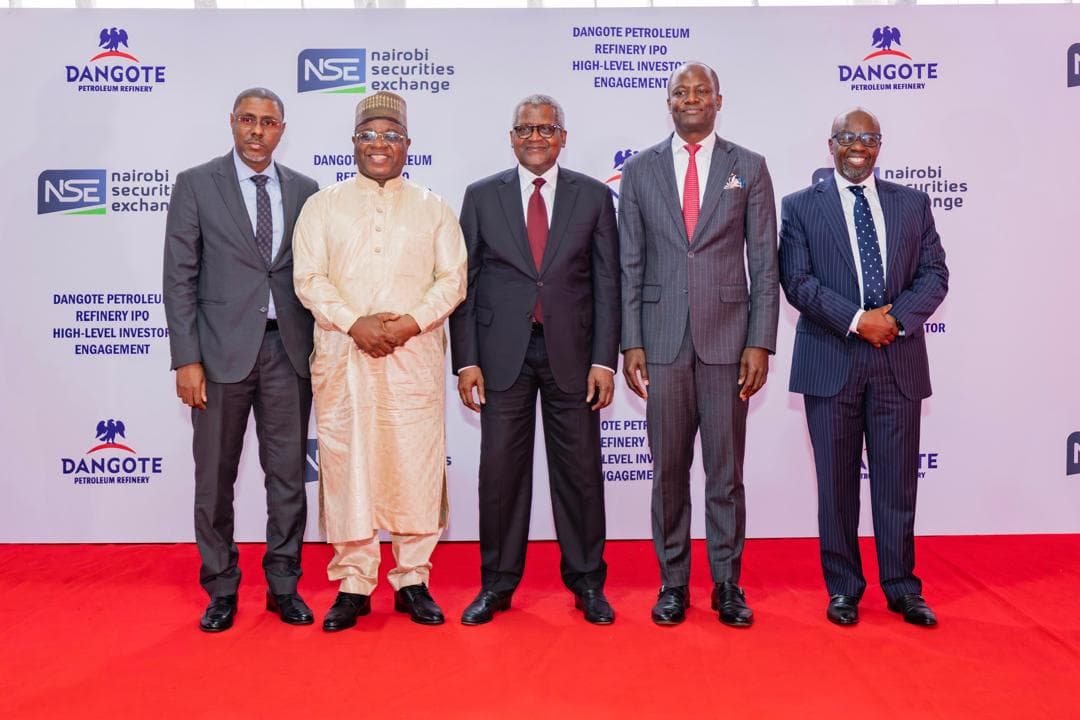
Dangote Takes Its Refinery IPO to Nairobi as Lamu Land Fight Simmers
NGX Group's Umaru Kwairanga courts East African institutions for Dangote's refinery IPO, as a $15–17bn Lamu plant faces a land dispute.
Dangote's $1.6B IPO Reaches Zimbabwe — Through Paperwork, Not an App
Zimbabwean investors can join Dangote Refinery's $1.6B IPO via Bard Santner, but forex controls and manual processes replace one-tap investing.

Hertha Metals Raises $133.65M, With $65M From Washington, to Build High-Purity Iron Plant in Texas
Hertha Metals closed a $133.65M Series A, including a $65M U.S. government equity stake, to build a high-purity iron plant in Texas.
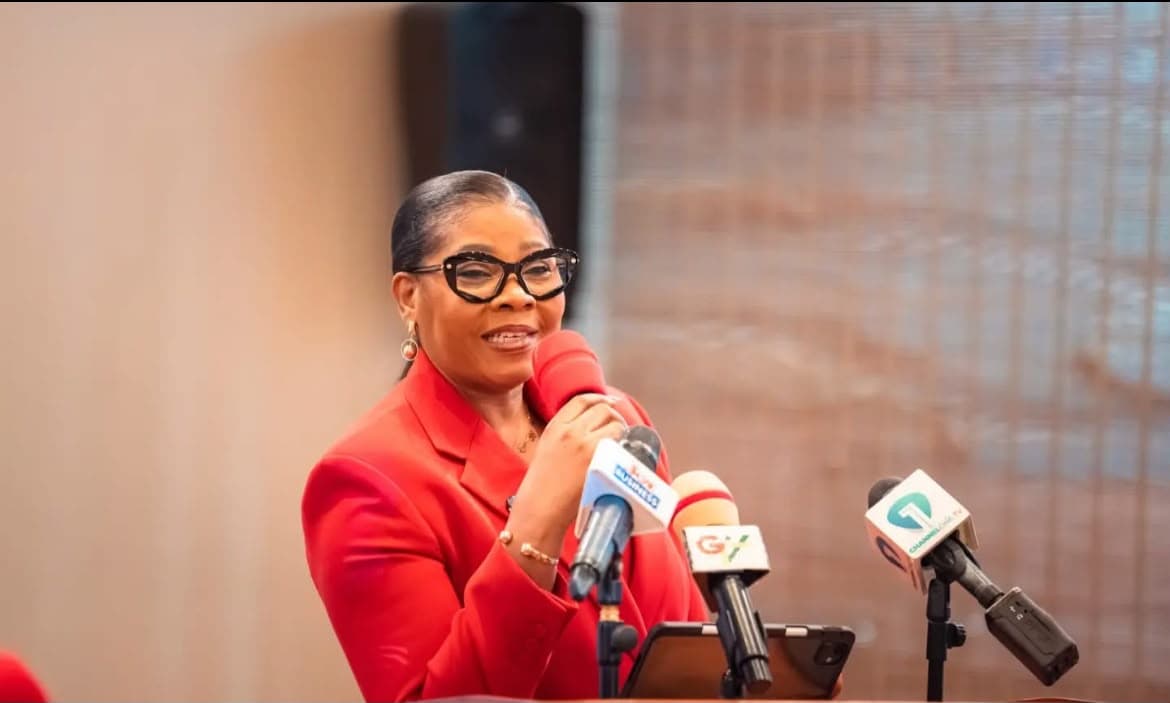
GoldBod Gets a Central Banker: Asante-Asiedu to Represent Governor Asiama on Ghana's Gold Board
Bank of Ghana's Matilda Asante-Asiedu joins GoldBod board as Governor Asiama's representative, cementing the central bank's role in Ghana's gold strategy.
Dangote Group chases $36bn revenue as Ruto tours Lagos refinery ahead of Kenya's $17bn Lamu plant
Dangote Group says it hit $17bn revenue in H1 2026 and is targeting $36bn for the full year, as Kenya's Ruto tours its Lagos refinery before a $17bn Lamu build.
Ethica and Meristem Open a Sharia-Compliant Door to Africa's Biggest IPO
Ethica and Meristem Securities launch a Sharia-compliant channel for Muslims to subscribe to the Dangote Refinery IPO, priced at ₦525 per share.
Dangote's Fertiliser Arm Eyes 2028 IPO as Ethiopia Plant Takes Shape
Aliko Dangote says his fertiliser business will IPO in 2028 and aims to be the world's largest, as a new Ethiopian plant extends the bet across Africa.
Dangote Refinery Opens Africa's Largest IPO as Nairobi Exchange Pushes for Kenyan Slice
Dangote Refinery's $1.6B IPO in Lagos draws Nairobi's interest as NSE CEO Frank Mwiti courts East African retail investors via fintech apps.
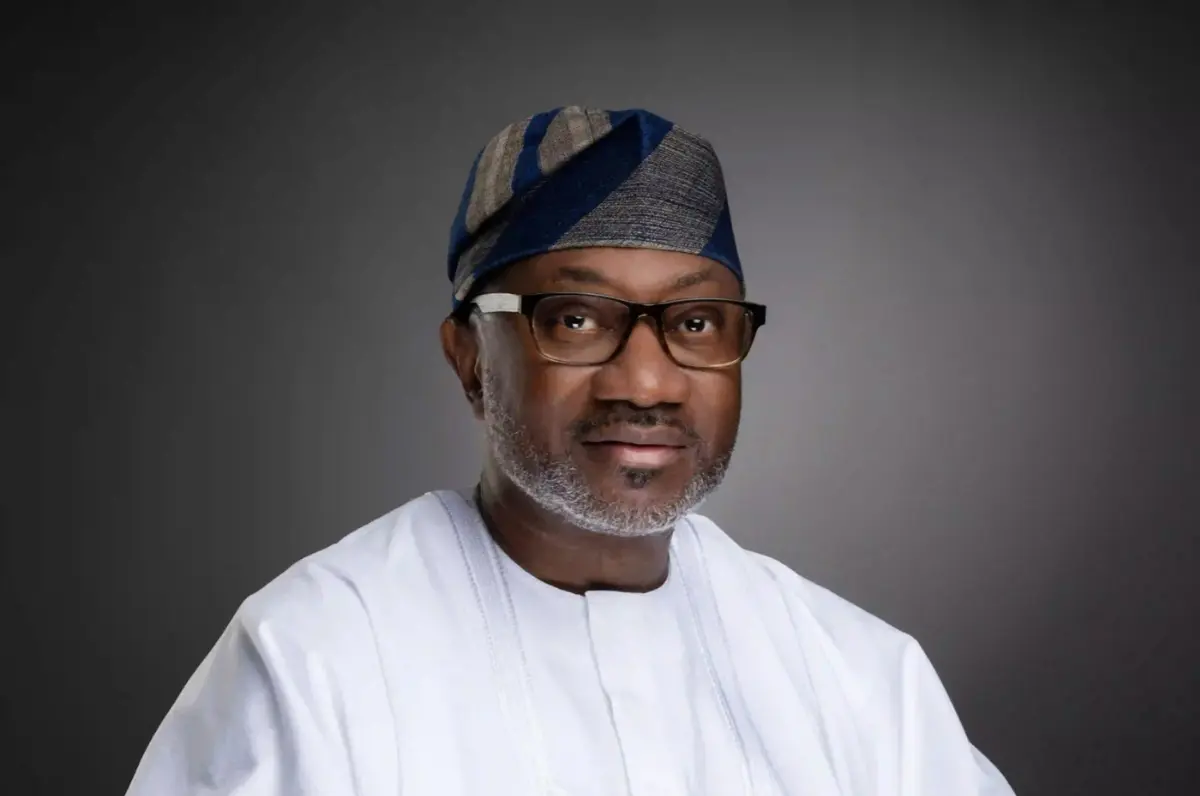
Femi Otedola crosses $2 billion as First HoldCo stake powers his fortune to a record high
Femi Otedola's net worth hits $2 billion for the first time, lifted by First HoldCo's rally and his growing stake in First Bank's parent company.

Dangote Refinery's ₦2.15 Trillion IPO Becomes Nigeria's Biggest Customer Land Grab
Nigeria's fintechs are charging ₦0 to sell Dangote Refinery shares, betting a record ₦2.15tn IPO can buy them millions of customers.
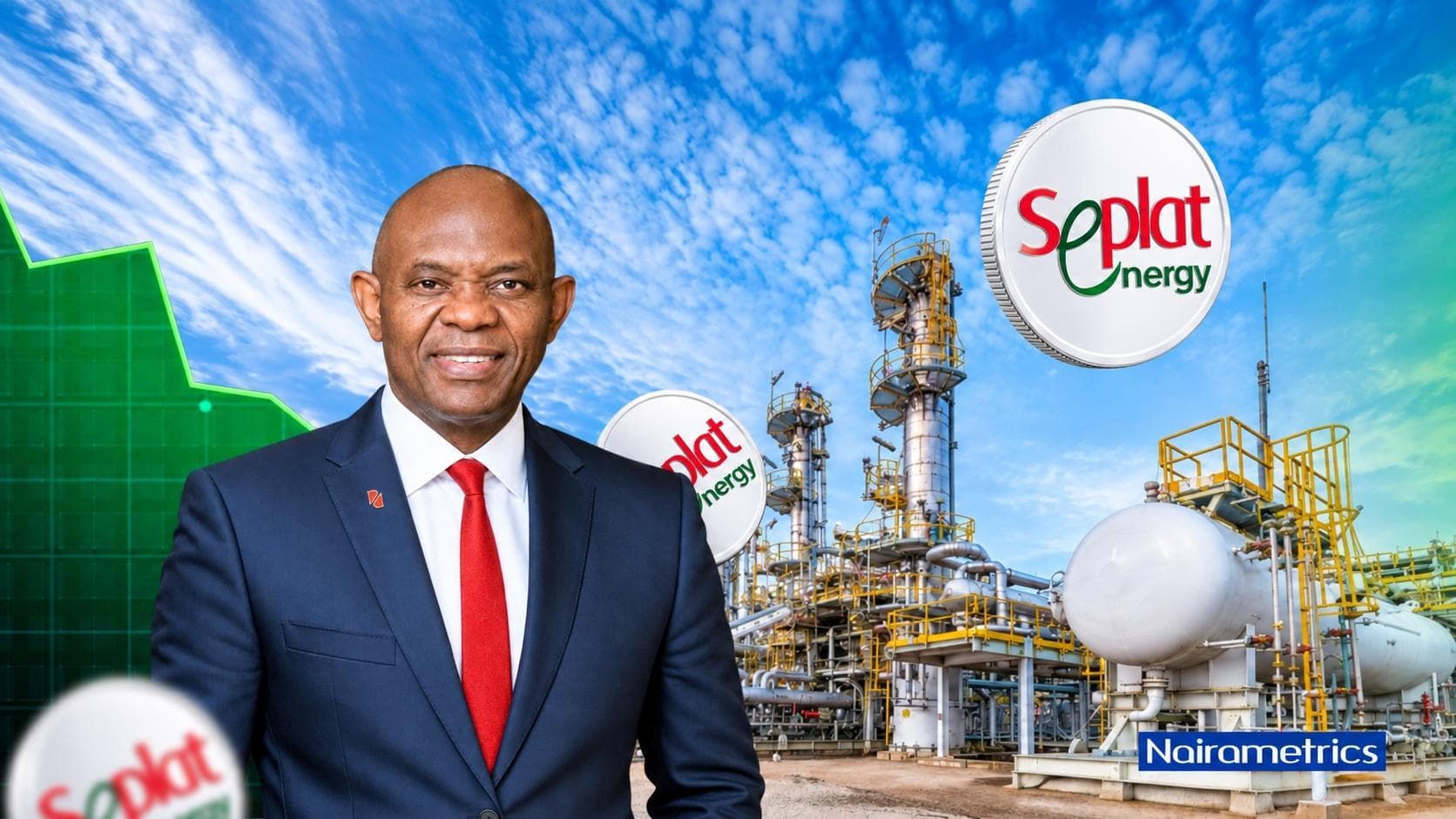
Elumelu's Seplat Stake Jumps N311.5 Billion in Two Weeks to N1.79 Trillion
Tony Elumelu's 20.07% Seplat Energy stake gained N311.5bn in two weeks, hitting N1.79tn as the Nigerian oil producer's shares surged.
Dangote Refinery's N2.15 Trillion IPO Lets the Diaspora Buy Nigeria's Industrial Crown From Their Phones
Dangote Refinery's record N2.15tn IPO lets diaspora Nigerians subscribe via fintech apps, turning remittances into ownership of Africa's largest industrial asset.
GTI Prices Dangote Refinery at N493, Below N525 IPO as Africa's Biggest Share Sale Tests Investor Nerve
GTI Research values Dangote Refinery at N493 per share, under the N525 IPO price, as Africa's largest share sale faces a valuation reckoning.

Xenergi Takes Control of Premier Paints as Oil and Gas Executives Rewrite the Boardroom
Xenergi's 49.6% stake in Premier Paints triggers a board overhaul, installing energy executives at the helm of the listed paint maker.

Factory's $5B Valuation Triples in Five Months as Blackstone and Sequoia Back AI Software Factories
Factory raises $200M at $5B valuation, tripling its April worth as Blackstone, Sequoia and Khosla bet on AI that builds enterprise software.
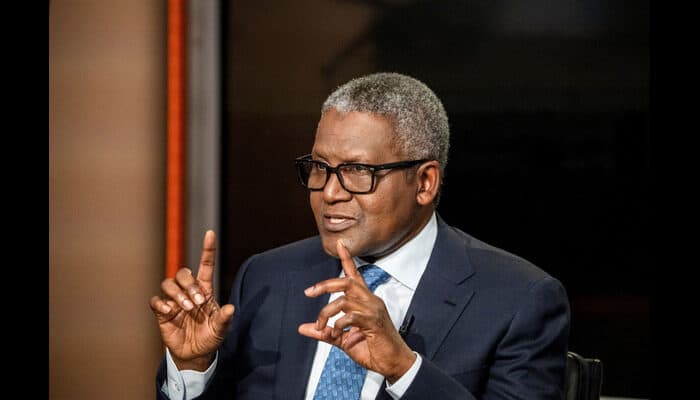
Dangote Refinery IPO Draws $7m in First Hour as Aliko Dangote Bets on Africa's Retail Investors
Dangote Refinery's IPO pulled in over $7m in its first hour on the NGX, as Aliko Dangote frames the 4.1bn-share offer as a play to democratise African equity.
Dangote Refinery's $50 Billion IPO Could Add $23 Billion to Africa's Richest Fortune
Dangote Refinery opens its IPO, targeting a near-$50bn valuation that could lift Aliko Dangote's net worth to roughly $58bn.
Nigeria's Affordable Housing Puzzle: Why Cheap Land Alone Won't Build Cheap Homes
Besitz Group's Michael Onyeachor says cheap land in Lagos and Abuja won't yield affordable homes without infrastructure investment and cheaper financing.
Dangote Refinery Doubles Capacity to 1.4 Million Barrels, Eyes U.S. Listing After Record Nigerian IPO
Dangote refinery to expand to 1.4m bpd, then list in the U.S. after Nigeria's largest-ever IPO raised $1.63bn.
Inside the 24-Firm Syndicate Steering Dangote Refinery's $1.6bn IPO
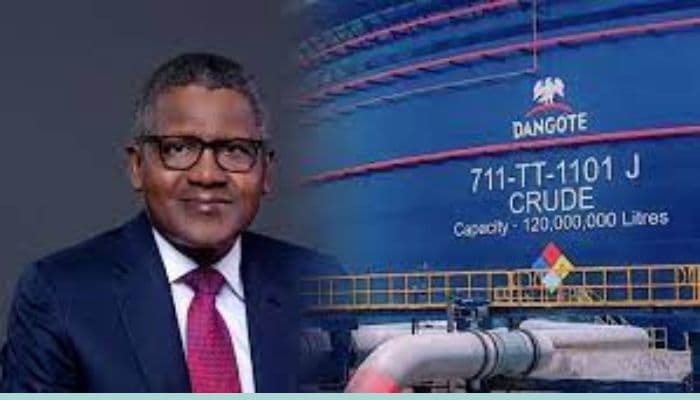
Vetiva leads a 24-firm syndicate managing Dangote Refinery's $1.6bn IPO, Nigeria's largest corporate offering, targeting 10 million retail investors.
Dangote Refinery's $1.6 Billion IPO Opens Nigeria's Capital Market to First-Time Shareholders
Dangote Refinery's ₦2.15tn IPO, Africa's largest, opens Sept 14, 2026, with shares at ₦525 and a ₦5,250 minimum entry point.
Dangote Refinery's N2.15 Trillion IPO Set to Reshape Nigeria's Stock Market
Dangote Petroleum Refinery's N2.15tn IPO will make it the largest NGX listing, doubling refining capacity and opening Africa's biggest asset to retail investors.
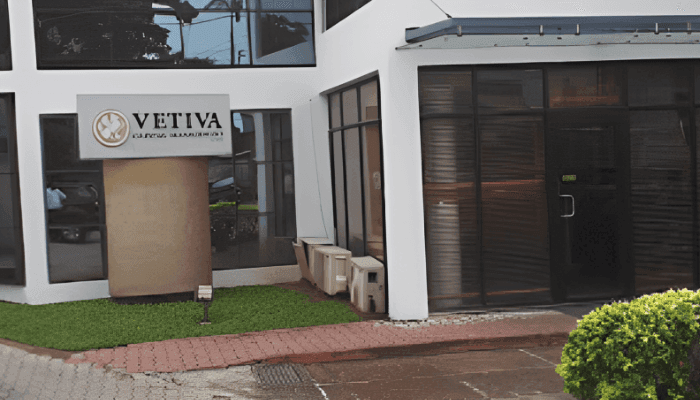
Vetiva Leads Dangote Refinery's Landmark IPO as Nigeria's Capital Markets Brace for Transformation
Vetiva Advisory Services leads Dangote Refinery's SEC-approved IPO, opening September 14, 2026, offering 4.1 billion shares in a historic Nigerian capital markets deal.
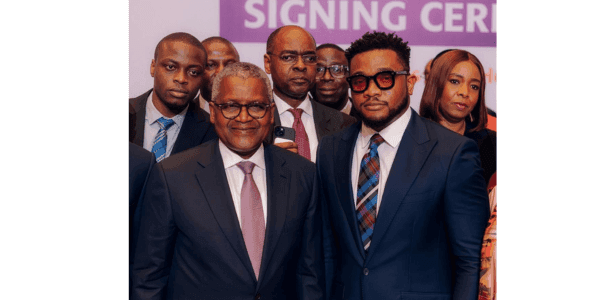
Dangote Refinery IPO Opens to 6.6 Million PiggyVest Users at ₦5,250 Minimum
PiggyVest and Chapel Hill Denham partner to offer Dangote Refinery's ₦2.15tn IPO to 6.6m users, with subscriptions starting at just ₦5,250.
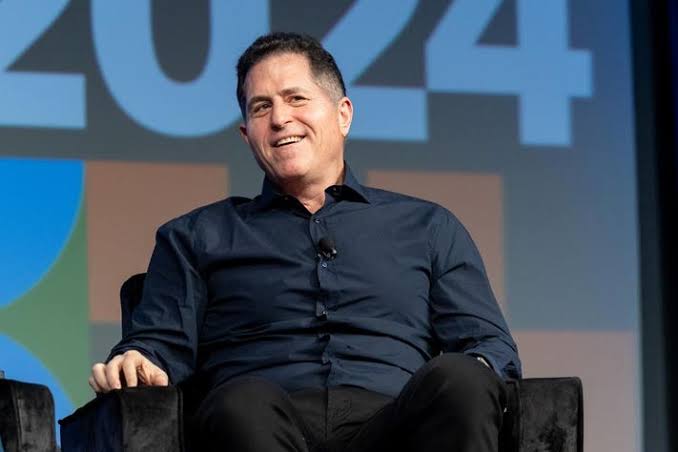
Michael Dell Overtakes Larry Page as World's Second-Richest With $273 Billion Fortune
Dell's net worth hits $273.2B as Dell Technologies stock rallies, making him the world's second-richest person behind Elon Musk.
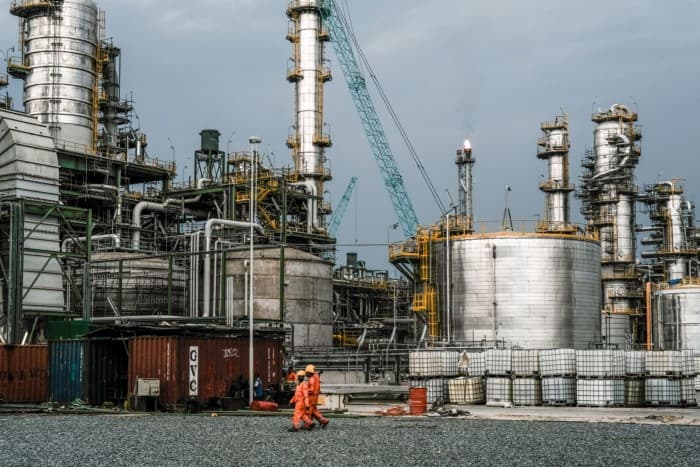
Dangote Refinery's record $13.9bn half-year sales set the stage for Africa's biggest IPO
Dangote Refinery posts record N19.13trn H1 revenue, doubling profit, as it prepares a $2.15trn IPO — Africa's largest ever listing.
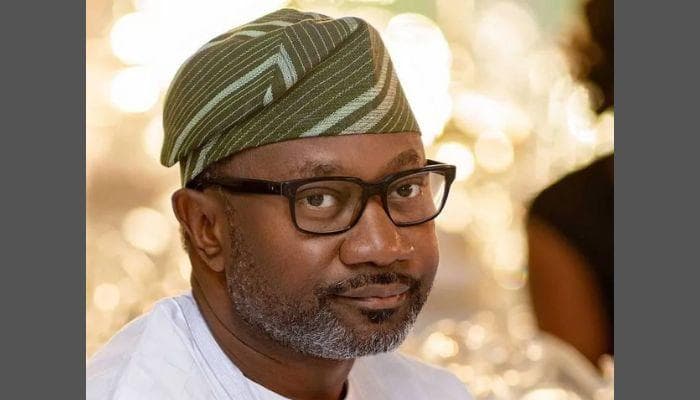
FirstHoldco's FTSE Frontier 50 entry puts Nigerian finance on the global map
FirstHoldco's inclusion in the FTSE Frontier 50 Index marks a milestone for Nigerian finance, boosting global investor access and market credibility.

Forus triples valuation to $3bn as Bain backs its AI prescription play
Forus raises $150m at $3bn valuation, tripling its worth, as Bain Capital Ventures leads a Series C to expand AI care network across US.
PayTabs' $100M Amazon deal redraws the MENA payments map
Saudi fintech PayTabs buys Amazon Payment Services MENA in a $100M+ deal, creating a regional payments powerhouse processing $40B annually.
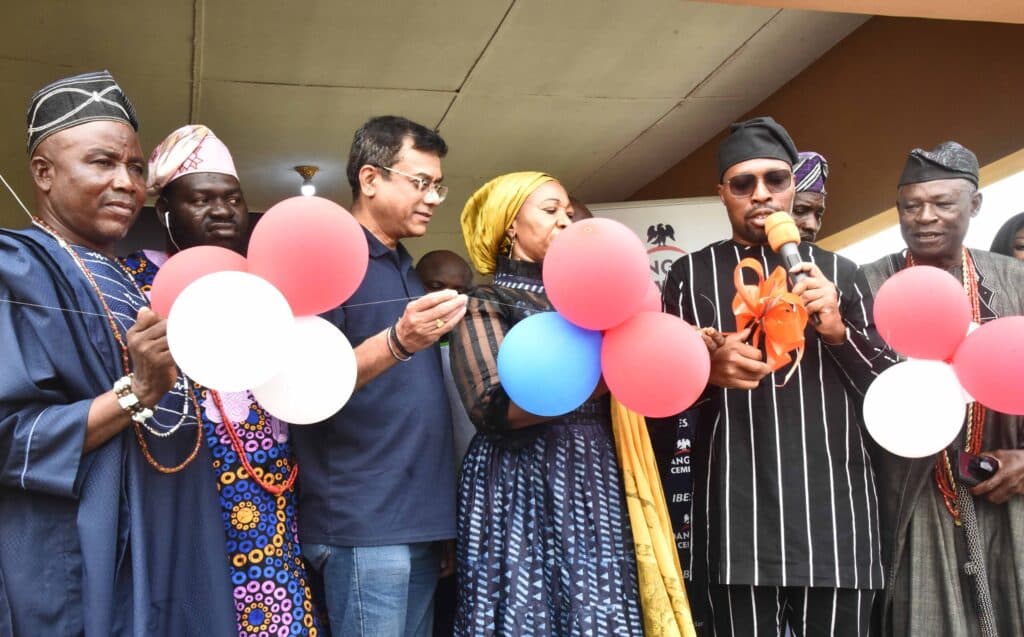
Dangote family office takes centre stage as refinery IPO looms
Aliko Dangote's Dubai-based family office, led by Halima Dangote, prepares for a central capital management role ahead of a landmark refinery share sale.

An Indian Nutraceutical Unicorn-in-Waiting Bets Big on Nano Science and African Ambitions
Hyderabad's ZeroHarm Sciences raises $7.2M to scale nano-supplements globally, eyeing US, UK and Middle East expansion.
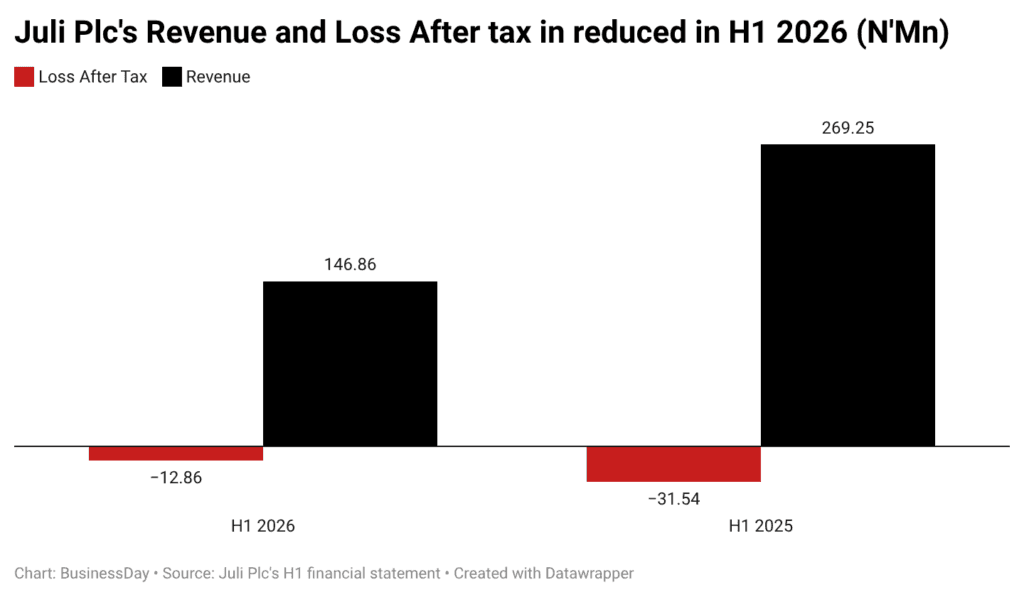
Juli Plc's Shrinking Empire: A Nigerian Distributor's Fight to Stay Relevant
Juli Plc narrows H1 loss to N12.86m despite an 83% revenue plunge, revealing a stark tale of cost-cutting survival in Nigeria's pharma distribution sector.
Dangote's $1.5bn refinery IPO puts Africa's richest man on the line
Aliko Dangote's refinery IPO opens Sept 14, seeking $1.5bn. It tests investor faith in Nigeria's markets and Africa's industrial ambitions.
Dangote Refinery IPO to Open Sept 14 at N525, Targeting Africa's Largest Listing
Aliko Dangote confirms Dangote Refinery IPO opens Sept 14 at N525/share, raising up to $1.8B to double capacity to 1.4M bpd.
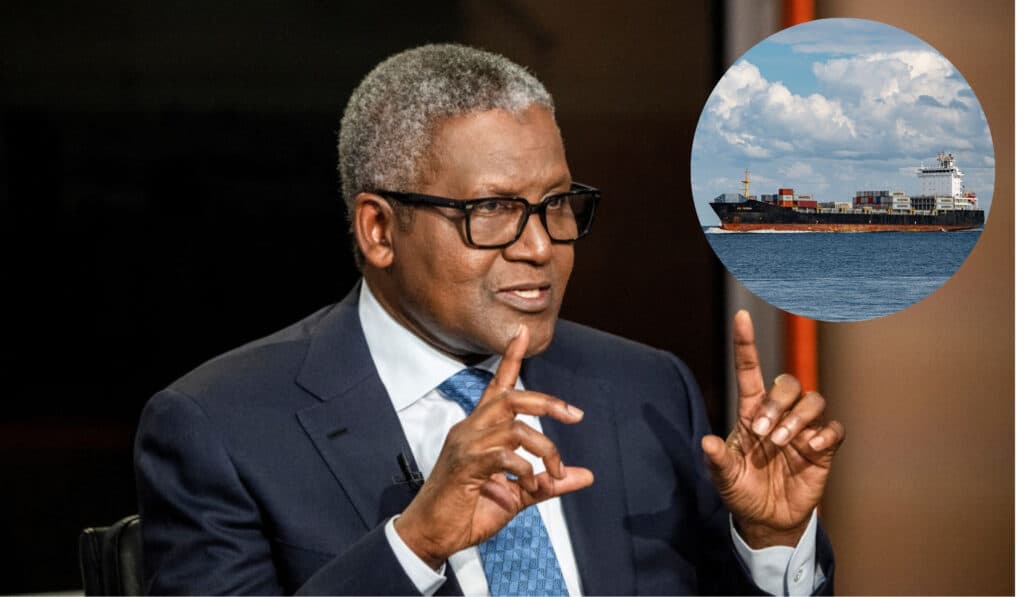
Dangote Refinery's $1.4bn IPO opens Africa's most strategic asset to public investors
SEC approves Dangote Refinery's 4.1bn-share IPO, targeting N2.15tn—a landmark moment for Nigeria's capital markets and African energy sovereignty.

Austin's HiddenLayer banks $100M to police the AI agents now running Africa's banks and grids
AI security firm HiddenLayer raises $100M Series B to protect autonomous agents, with enterprise demand soaring tenfold.
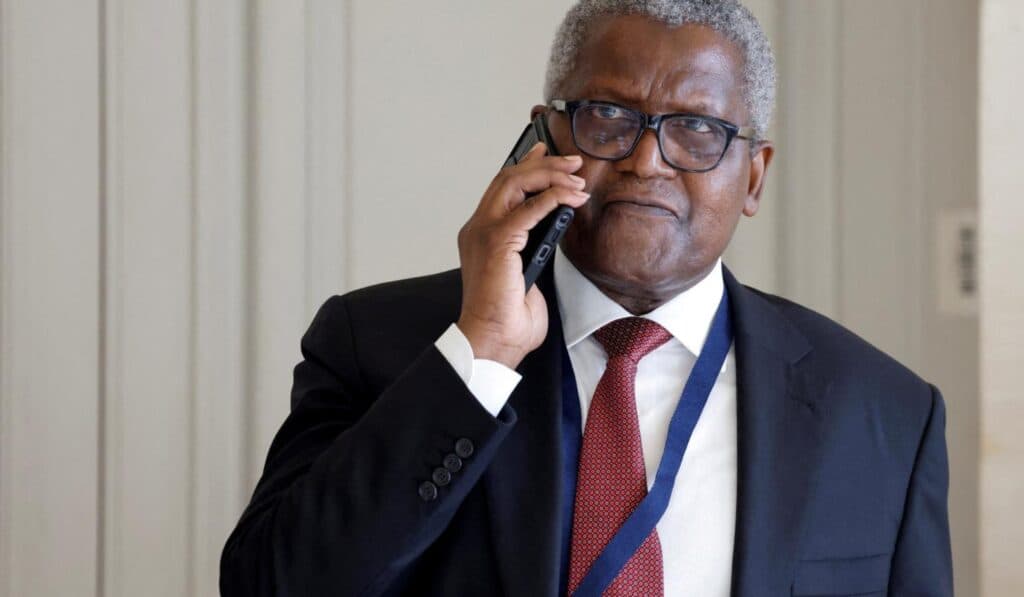
Dangote's $3.3m day signals Nigeria's big refinery bet is coming to market
Aliko Dangote gains $3.3m as his refinery's $1.5bn IPO opens September 14, testing Africa's appetite for mega-industrial listings.
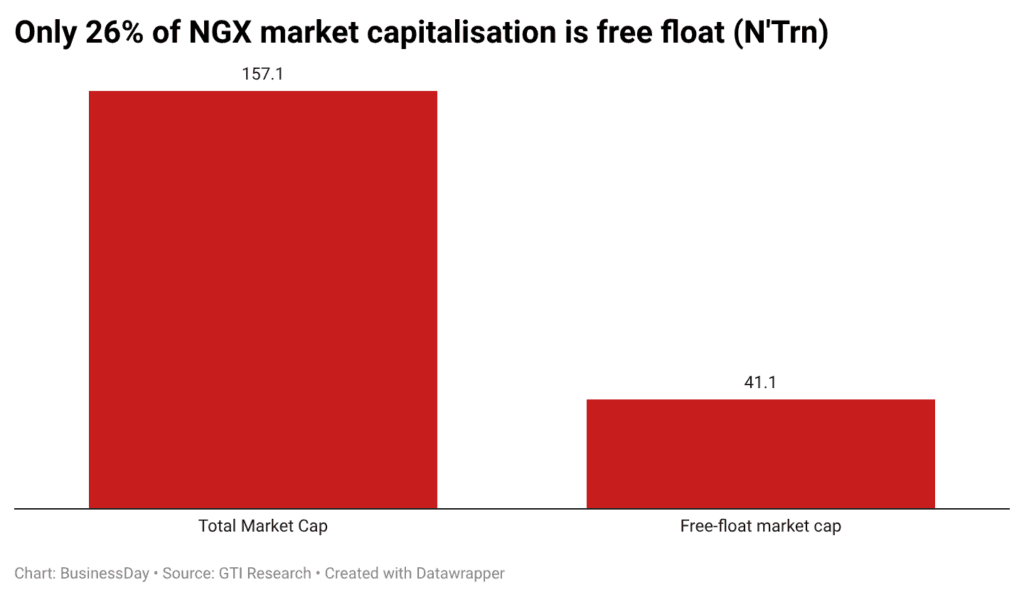
Nigeria’s Market Isn’t Cheap—It’s Shallow, and the Dangote Refinery IPO Won’t Fix That
Why Nigeria's stock market looks undervalued but is really a shallow proxy for a vast, largely unlisted economy—and how the Dangote refinery IPO deepens the problem.
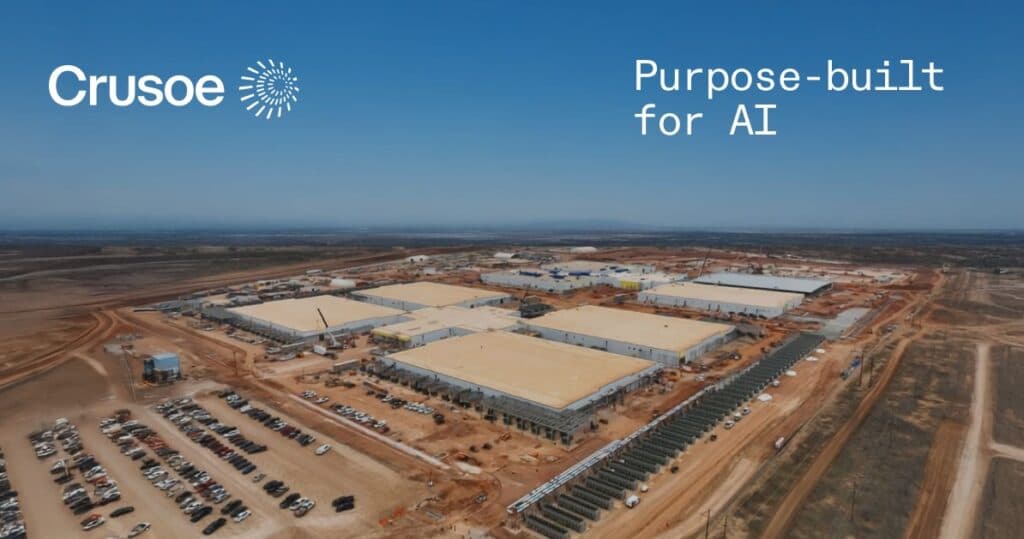
Crusoe’s $3B Series F and $13B Jane Street Deal Signal a New Era for AI Power
Crusoe raises $3B at $30B valuation, inking a $13B AI cloud deal with Jane Street to build off-grid data centers.
Botswana’s railway gambit: Can Dangote’s billions break its diamond dependency?
Botswana courts Africa’s richest man for a cement plant and a rail link to Namibia, as Dangote Group eyes $100bn revenue by 2030.
Dangote Refinery IPO set to open within days, Africa's largest listing in sight
Aliko Dangote says his refinery's $5bn IPO opens within 12 days, with plans to double capacity and expand to Kenya.
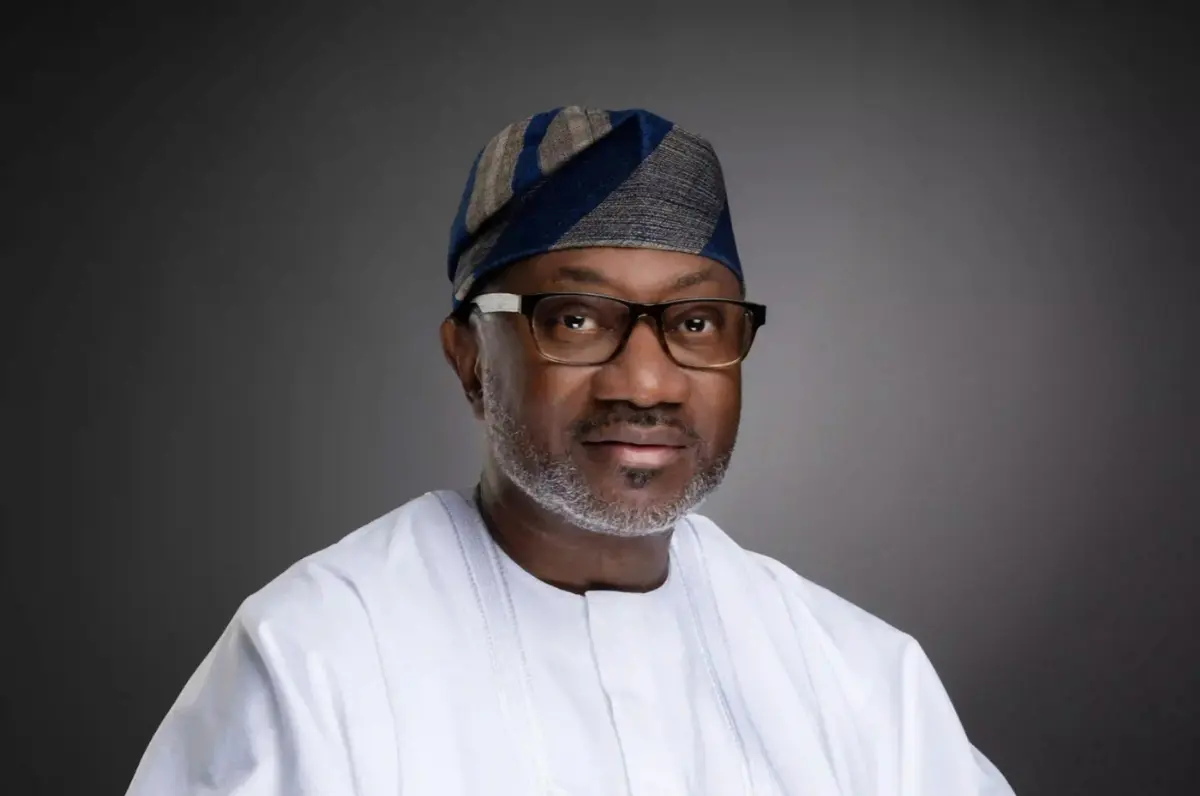
Femi Otedola quietly tightens grip on First HoldCo as stake value hits N1.82 trillion
Femi Otedola's First HoldCo stake jumps to N1.82 trillion after Calvados buys 2.867bn shares, lifting his holding to 26.71%.
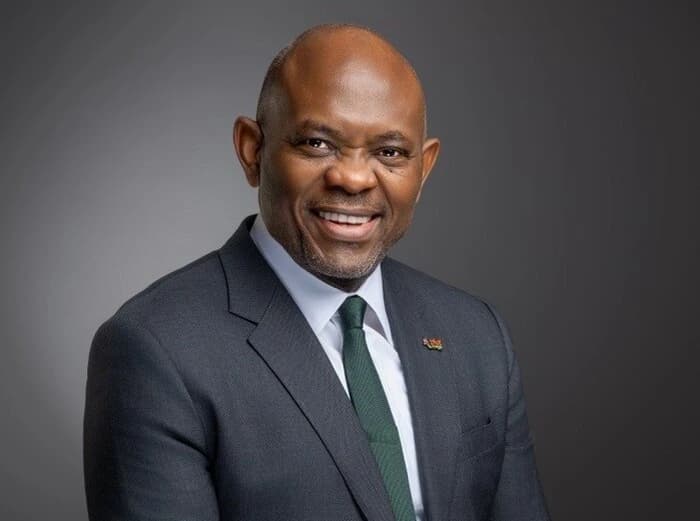
Tony Elumelu's Seplat stake crosses $1.28bn, cementing a Nigerian energy empire
Tony Elumelu's indirect stake in Seplat Energy is now worth $1.28bn, up from a $500m bet in late 2025 — a signal of Nigeria's shifting oil landscape.
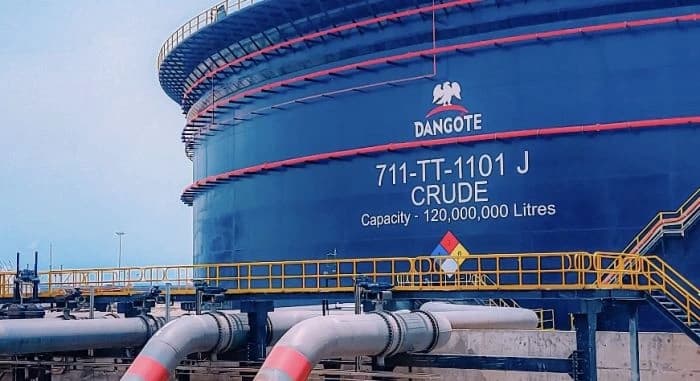
Dangote's giant refinery rewires Nigeria's oil story as refining sector logs record 43.94% growth
Nigeria's oil refining sector grew 43.94% in Q2 2026, driven by Dangote's expanded 700,000 b/d refinery and surging exports.
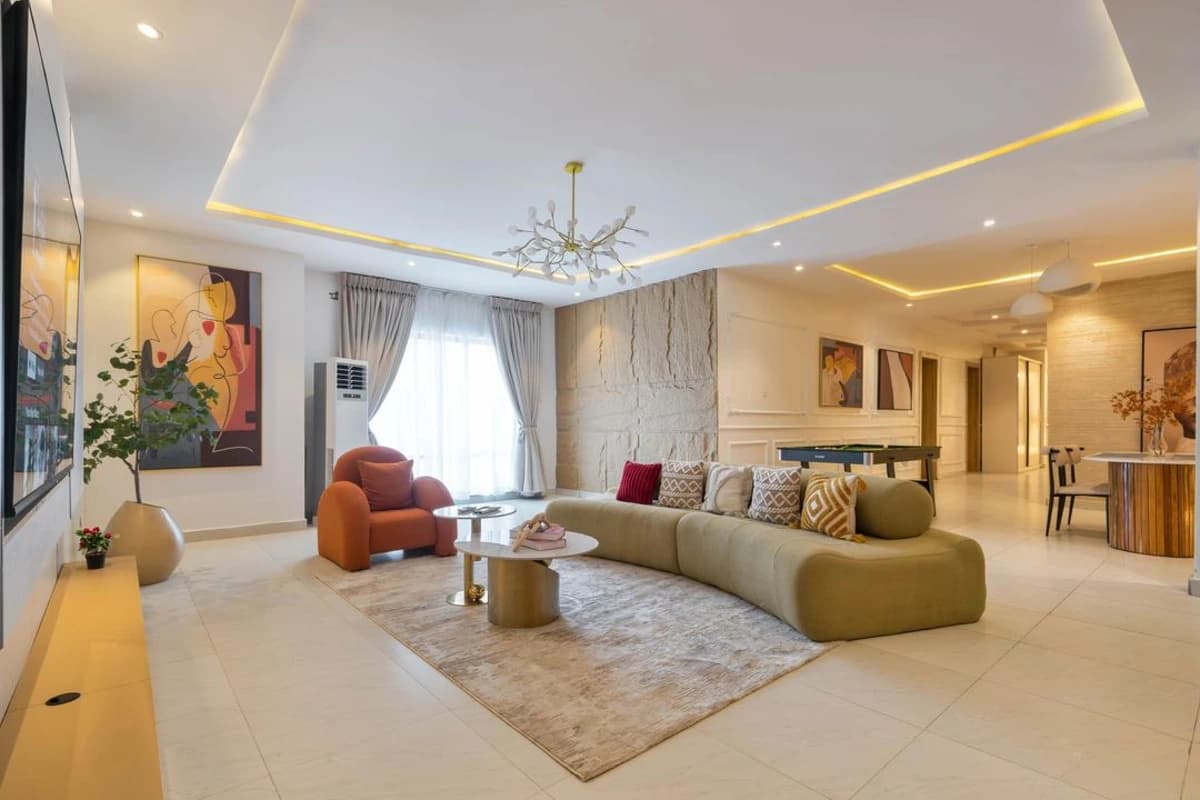
Lagos shortlet boom tests operators as supply outpaces demand
Lagos shortlet market faces pressure as supply rises; Edala CEO says scale, cost control key to survival.
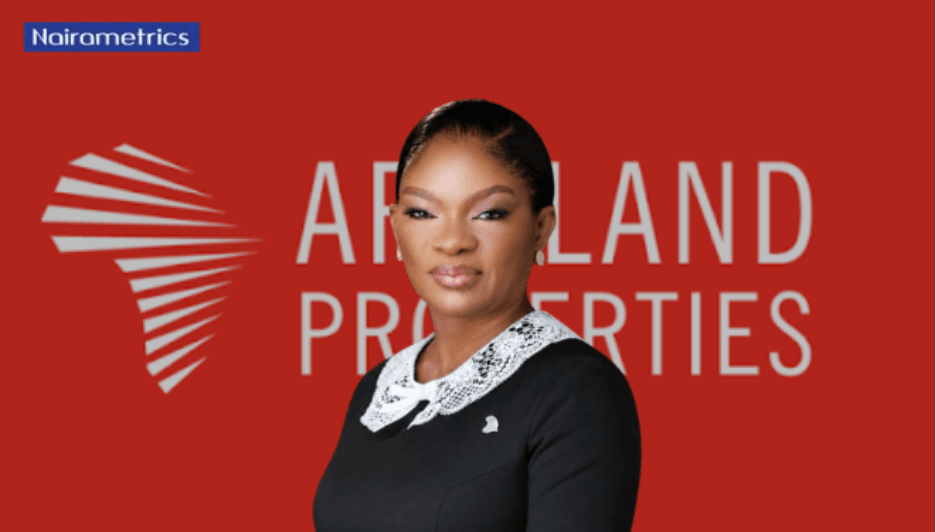
Afriland Properties Names Agatha Obiekwugo Chairman as Lagos Real Estate Giant Reshuffles Leadership
Afriland Properties appoints Agatha Obiekwugo as board chairman, replacing Emmanuel Nnorom after a decade-long tenure.
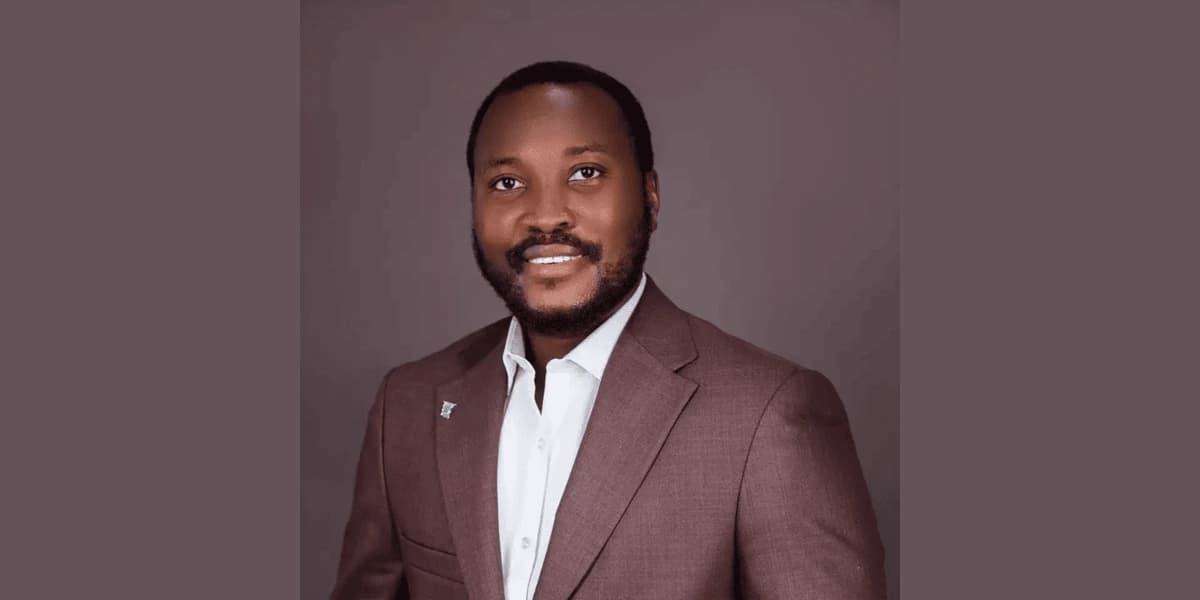
Can a Lagos property outlive its owner? Benin City conference takes on Nigeria's generational wealth gap
GMH Luxury's Edo conference tackles why Nigerian properties rarely survive past one generation, urging real estate as legacy wealth.
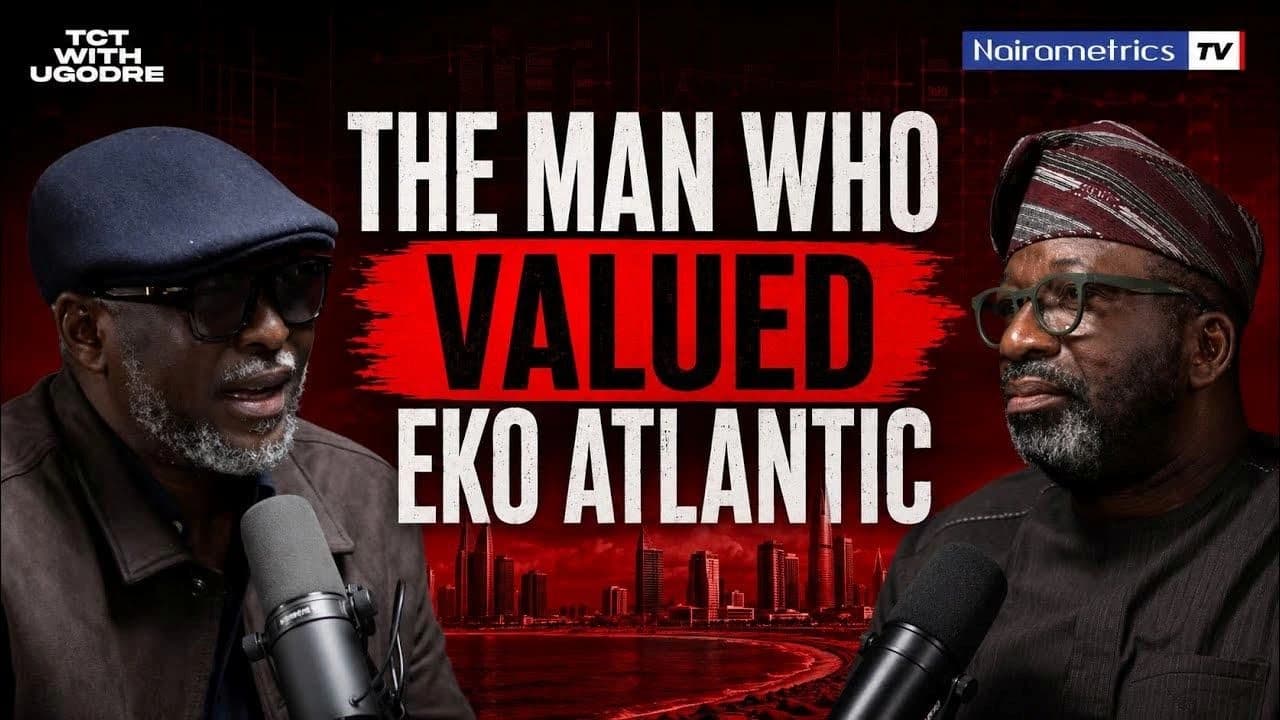
The actuary who modelled a city out of the ocean: inside Eko Atlantic's financial blueprint
Eko Atlantic's financial model was built by Olawale Opayinka, an actuary brought in 2011. He reveals how Lagos's luxury city took shape.
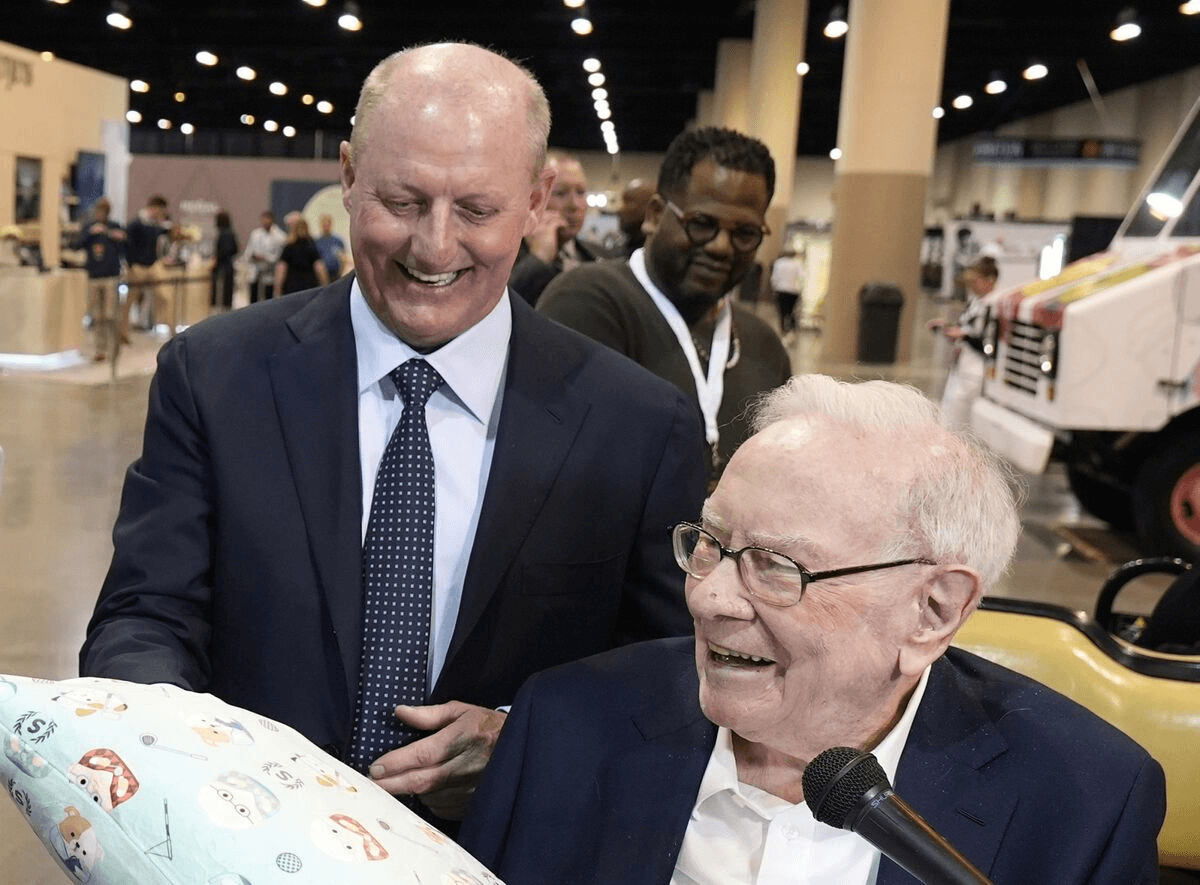
Buffett's Successor Rewrites Berkshire's Script: Alphabet Leapfrogs Coca-Cola
Greg Abel's first Berkshire moves: a $17bn Alphabet bet, trimming Bank of America, and a new tech-led era.
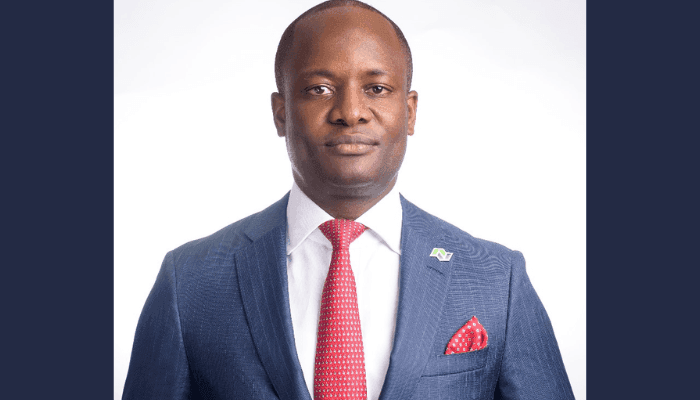
Nigeria’s Frontier Market Return Sparks Investor Stampede
Nigeria regains FTSE Frontier status after 3 years, triggering a stock rally as foreign funds reposition. Market caps rise, signaling renewed confidence.

Socure's $5.2B bet: Can AI police the AI it unleashed on African fintech?
Socure raises $156M at $5.2B valuation to fight AI-driven fraud, acquiring Fravity for automated compliance.

Core Scientific’s $600M AI Bet Signals a New Era for Data Centres
Core Scientific secures $600M in credit facilities to pivot from bitcoin mining to AI colocation, a strategic shift with global implications.
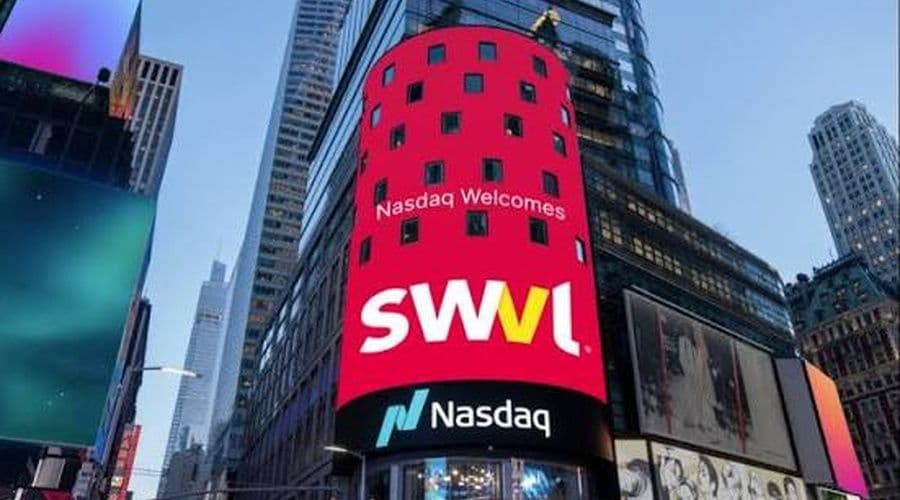
Sawiris money rides Swvl's U.S. bet as Cairo's billionaires back mobility's next lane
Swvl lands $13M PIPE led by Sawiris-backed Coefficient, fueling U.S. expansion and lending push as Egypt's wealth bets on GCC mobility.
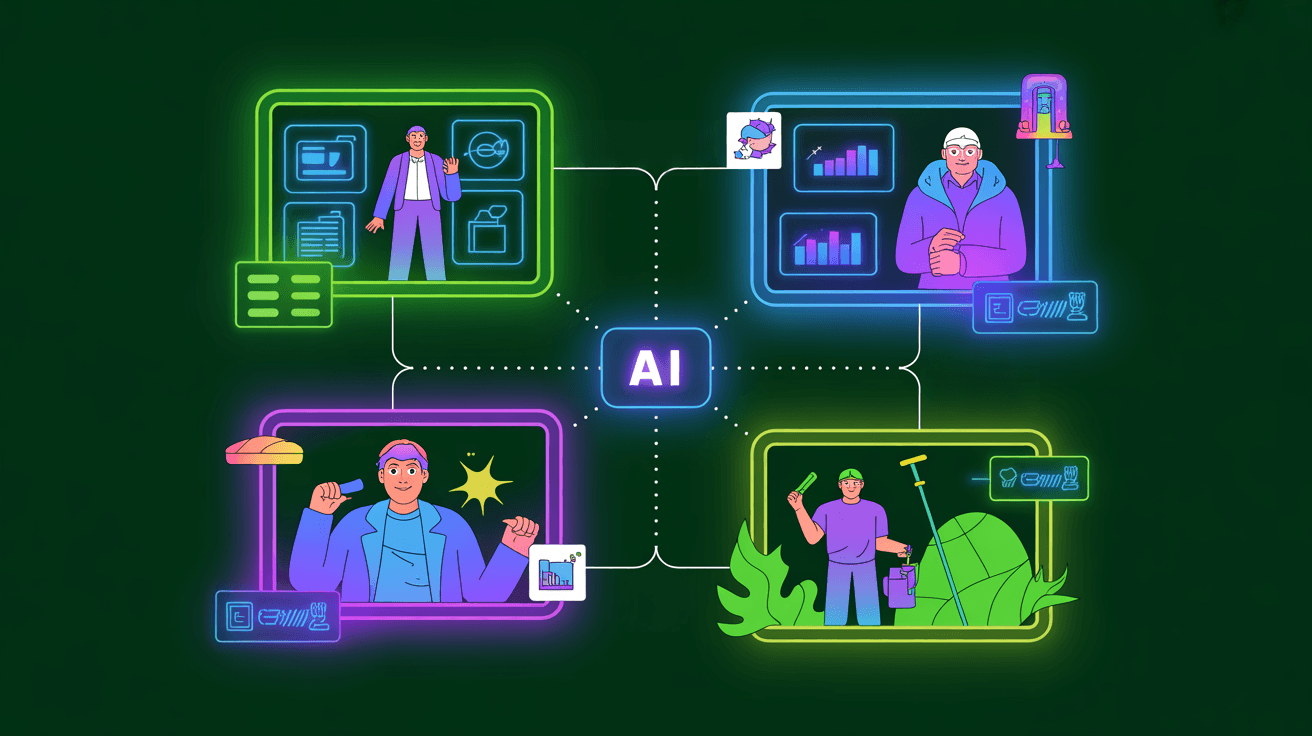
Runable's $21M Series A Puts AI Muscle Behind Africa's Two-Person Business Dream
Runable raises $21M to give tiny firms big-company AI tools. What it signals for Africa's lean startups.

Qatar and Koch Back Gatik's $200M Bet on Driverless Middle-Mile Freight
Gatik raises $200M led by Qatar and Koch to scale driverless freight, signaling a major shift in autonomous logistics investment.

Trump's SpaceX Stake: A New Constellation of Power in African Skies
Trump's SpaceX investment signals a new era where politics and space capital intertwine, reshaping Africa's satellite future.
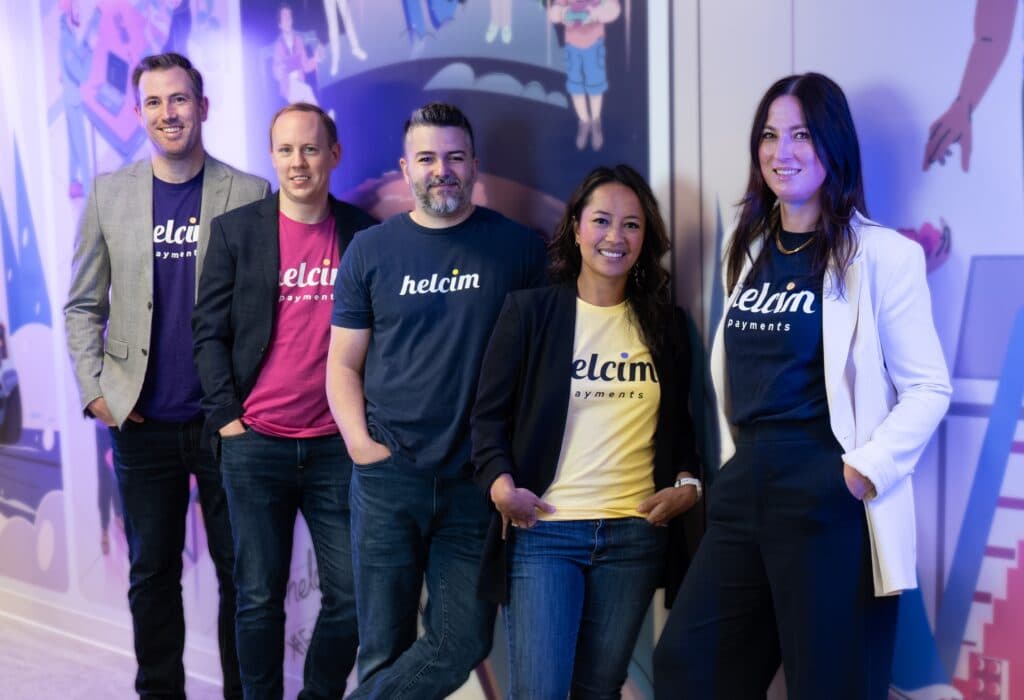
Helcim's $53M Bet: The Canadian Fintech Cashing In as Banks Abandon Small Business
Helcim raises $53M CAD Series C led by BDC as Canadian banks exit small business payments, hitting $150M ARR and 22,000 merchants.

Nvidia's Earnings: The Moment Africa's AI Ambitions Quietly Hang On
Nvidia's earnings test the AI trade, but for Africa the real signal is whether sovereign compute bets and data center dreams stay funded.
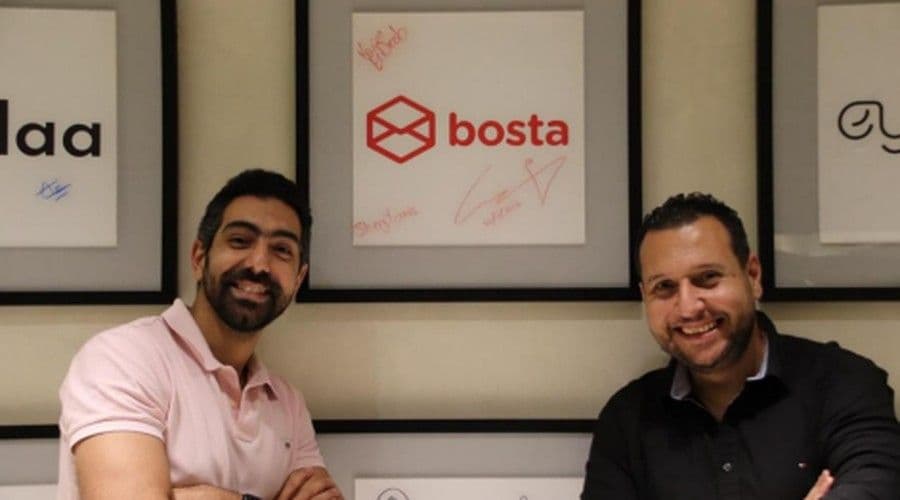
Saudi VC Khwarizmi books 3x on Bosta as Gulf money reshapes Egypt's delivery wars
Saudi VC Khwarizmi Ventures partially exits Egyptian logistics startup Bosta at nearly 3x net, its sixth portfolio exit in under five years.

The Atlas Lions’ Second Act: How Morocco Redefined Football’s Most Exclusive Club
As the only African nation ever to reach back-to-back World Cup quarter-finals, Morocco has turned a Cinderella run into a dynasty of quiet ambition. For the ultra-wealthy collector of rare sporting moments, this is not just a match—it is a masterclass in sustained excellence against impossible odds.
The Atlas Lions’ Last Roar: Inside Morocco’s Historic World Cup Quarter-Final
As the only African team to reach successive World Cup quarter-finals, Morocco’s journey to face France in 2026 has become the most intoxicating ticket in global sport. This is the story of a nation’s pride, a coach’s redemption, and the luxury of witnessing history in the making.