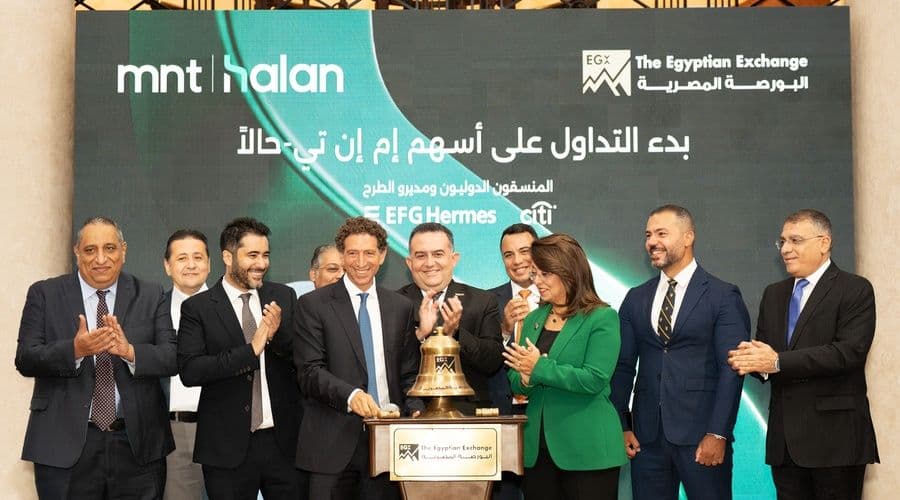
MNT-Halan sells 320 million shares in EGX IPO as retail tranche draws 41,500 orders
Egyptian fintech MNT-Halan lists on the EGX under HALN.CA after selling 320 million existing shares, 20% of the company, with retail 43.6 times oversubscribed.
Read the StoryMiddle Eastern Wealth: Energy, Sovereign Capital and What Comes Next
Middle Eastern wealth has always been defined by proximity to energy, but that description is increasingly out of date. The region’s capital is being deliberately redirected — into technology, logistics, tourism, sport and entertainment — as governments and families alike plan for economies that do not depend on oil revenue.
The distinguishing feature is the blurred line between private fortune and sovereign capital. Family businesses, ruling-family holdings and state investment funds often operate in the same deals, which makes the region’s influence on global markets far larger than its billionaire headcount alone suggests.
World Billionaire Day covers that transition: the acquisitions, sovereign fund allocations, construction megaprojects and family successions reshaping wealth across the Gulf and wider region.
How Middle Eastern fortunes are structured
Construction and contracting converted the oil era into private wealth. The families who built the region’s cities — its ports, airports, roads and towers — hold some of its largest independent fortunes, and remain central to each new wave of development.
Trading houses and franchise groups are a second pillar. Exclusive distribution rights for international brands across a country or the wider Gulf have produced quietly enormous businesses with little public profile.
Sovereign wealth funds set the tempo. Their allocations into technology, sport and entertainment shape which private businesses grow alongside them, and increasingly determine where global capital follows.
Diversification is explicit policy, not market drift. Programmes such as Saudi Vision 2030 and the UAE’s economic strategy are deliberate attempts to build post-oil wealth, and they create the openings the region’s next fortunes will be made in.
Which Middle Eastern countries have the most billionaires?
Saudi Arabia, the United Arab Emirates and Israel lead, followed by Lebanon, Kuwait and Qatar. Israel’s wealth is concentrated in technology, while Gulf fortunes cluster in construction, trading, banking and investment.
How much of Middle Eastern wealth comes from oil?
Less directly than assumed. Much of the region’s private wealth was made in the industries that oil revenue funded — construction, contracting, banking, retail and logistics — rather than in extraction itself, which is largely state-controlled.
What are sovereign wealth funds and why do they matter here?
They are state-owned investment vehicles that deploy national reserves into global assets. In the Gulf they are among the largest investors in the world, and because they frequently co-invest with private family groups, they shape which regional businesses scale.
Where is Middle Eastern capital moving now?
Into technology, artificial intelligence, sport, entertainment, tourism and logistics — sectors chosen deliberately to build economies that generate income beyond hydrocarbons.

HSBC Bets on Abu Dhabi Wealth Boom With New Centre Despite Regional Tensions
HSBC will open a wealth management centre in Abu Dhabi in December, part of its largest Middle East investment in two decades, says UAE CEO Mohamed Al Marzooqi.

🎂 Happy Birthday, Roman Abramovich! Celebrating the $9.3 Billion Titan Behind Steel, Investments, and a Global Legacy
Today we raise a glass to Roman Abramovich, the billionaire visionary who turns steel into gold and investments into empires! With a staggering net worth of $9.3 billion,…
🎂 Happy Birthday, Roman Abramovich: Celebrating the Billionaire's $9.3B Empire, Chelsea Legacy, and Unyielding Resilience
Today we raise a glass to Roman Abramovich, the Russian-born billionaire who turned steel into gold and a London football club into a global powerhouse. Born on October 24, 1966,…
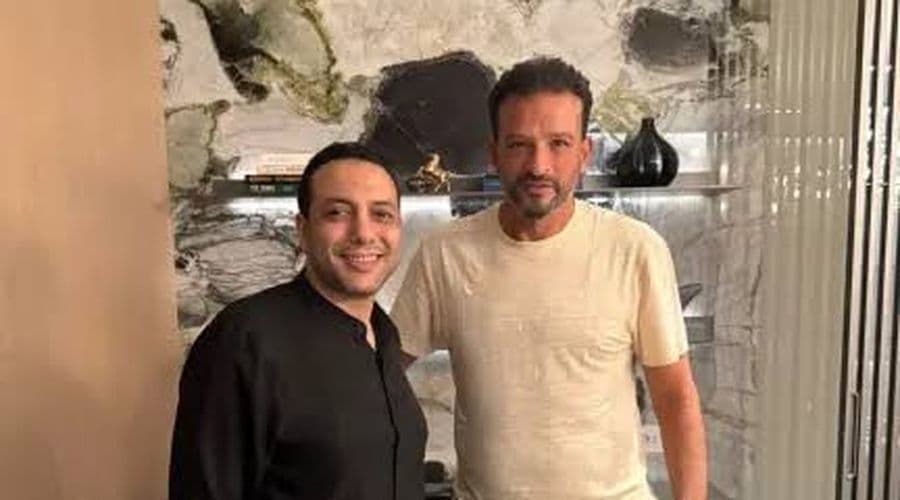
Aqar Exit's $2M Valuation: Ayman Mamdouh Abbas Bets on Egypt's Contract-Transfer Niche
Aqar Exit, founded by Mahmoud Ammar, raised $200,000 from Ayman Mamdouh Abbas for 10%, valuing the Egyptian proptech at $2 million as it eyes Gulf expansion.
Deals, Moves & Markets
The Middle East Brief
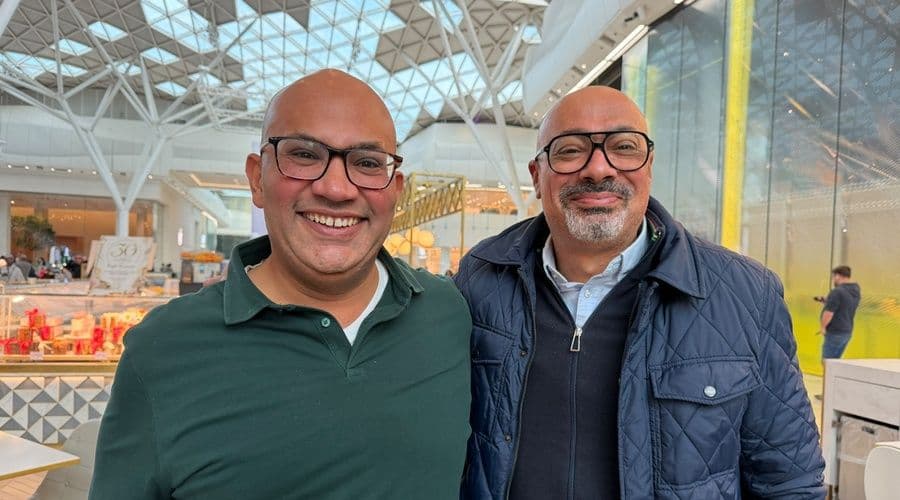
Hatem Dowidar Backs Egypt's Tactful AI as Former e& Chief Bets on Agentic Customer Experience
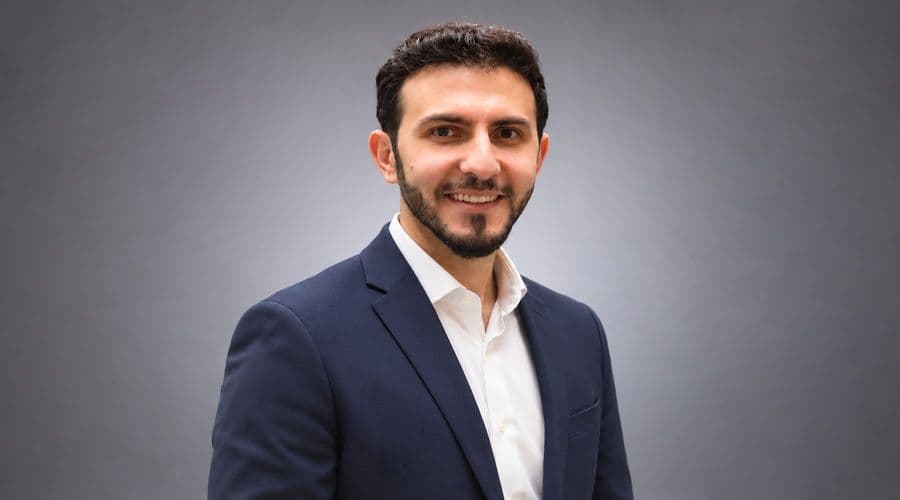
EBLA Ventures Backs Syrian Home-Repair Platform Salehli With $100,000

Qatar Gets Its First Sharia-Compliant China Equity Fund as Gulf Capital Looks East
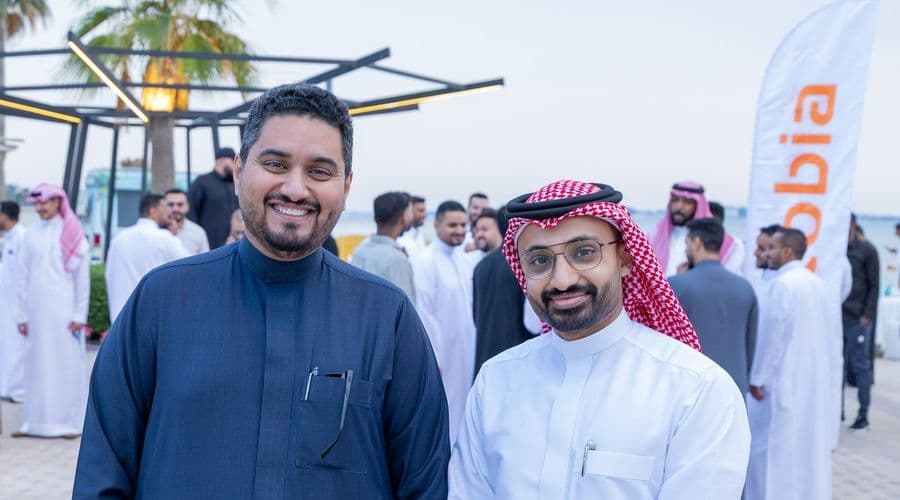
Autobia's $12 Million Series A Bets Saudi Arabia's Spare-Parts Trade Can Be Fintech's Next Frontier

Ziina's CEO Makes the Case for Open Finance as MENA's Next Wealth Infrastructure
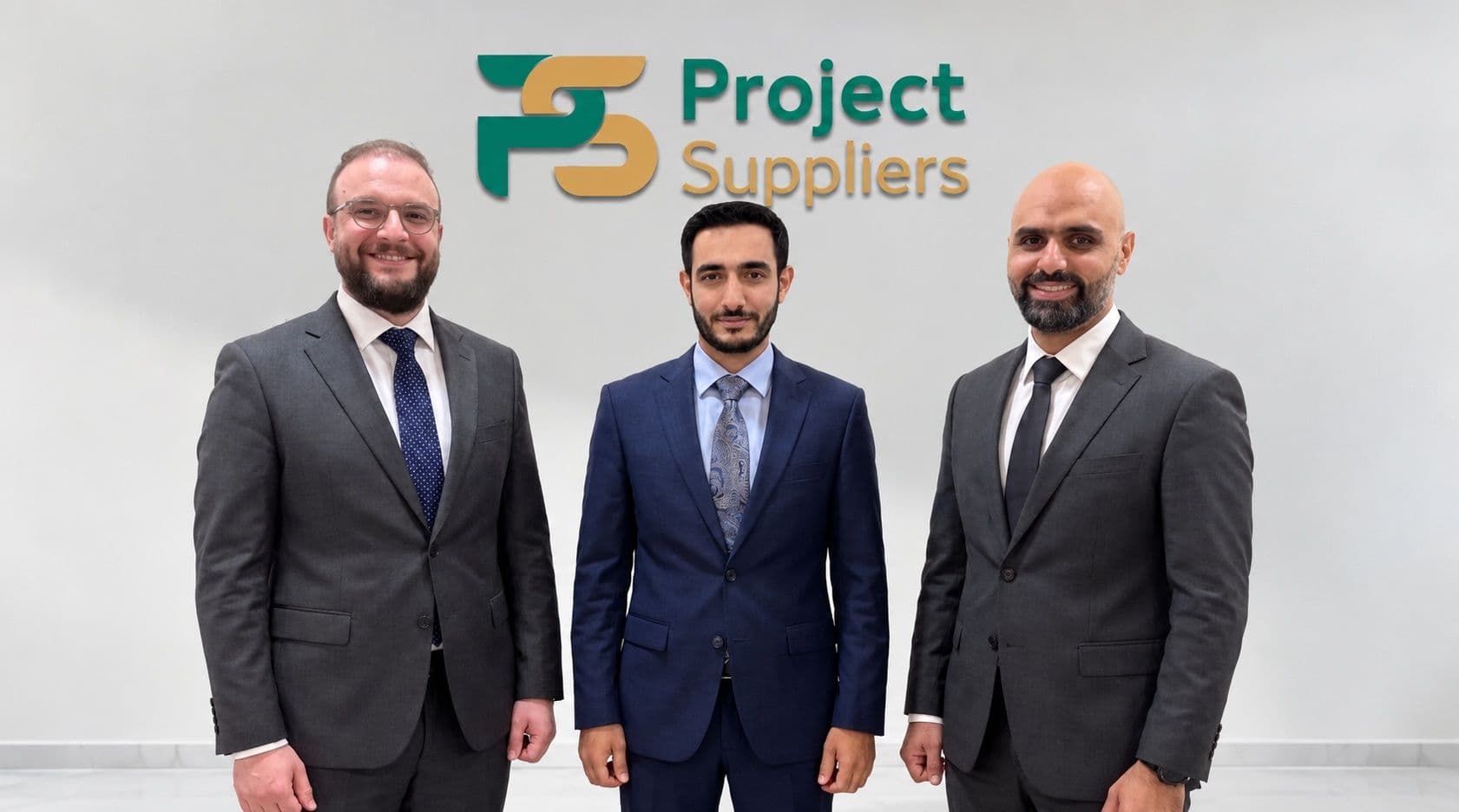
Saudi proptech Project Suppliers raises $1m pre-seed to tackle construction's cash-flow crunch
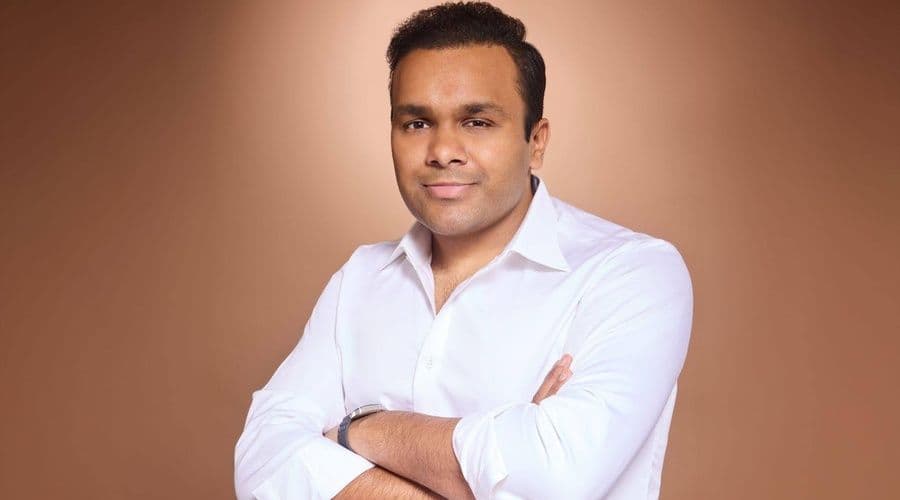
Amaani's $5M Series A: Betting on Arabia's Beauty Rituals to Build a Global Brand

erad's $22 Million Series A Bets Shariah-Compliant Fintech Can Close the Gulf's SME Credit Gap
Continuously Updated
Business & Wealth in Middle East
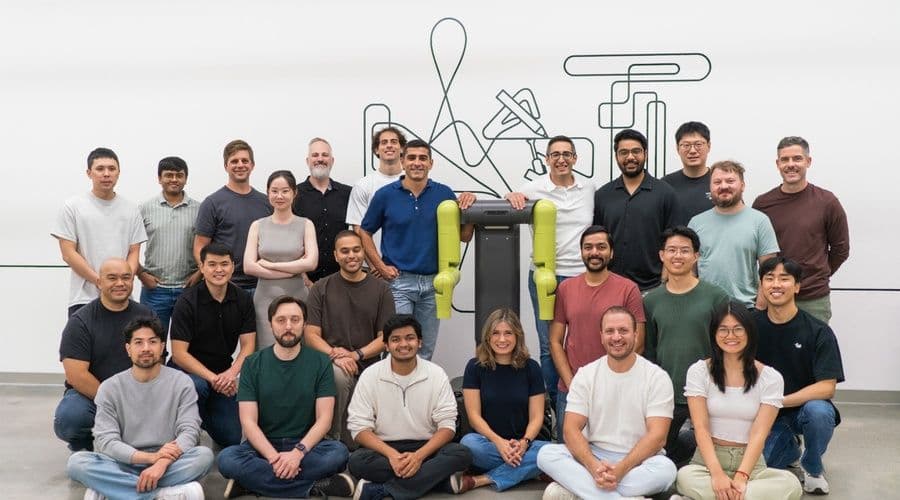
Abu Dhabi's Shorooq and Presight Back Silicon Valley Robot Maker Maven in $100M Round
UAE investors Shorooq and Presight, a G42 company, join Maven Robotics' $100M Series A, betting on AI that moves goods, not just data.

🎂 Happy Birthday, Israel Englander! Hedge Fund Titan Turns Another Year Wiser with $27.6 Billion Fortune
🎂 Raise a glass to Israel Englander, the billionaire hedge fund maestro celebrating another trip around the sun in spectacular style! Born in 1948 in Brooklyn, New York,…

barq's $329.5m Series A Values Saudi Payments App at $1.85bn
Saudi fintech barq raises $329.5m Series A at a $1.85bn valuation, with Noon Investments, Sohar International Bank and M20 Fund backing the Riyadh payments app.

The AI Metric Middle East Founders Keep Ignoring: Cost of Correction
AI cut response times at one startup — then hard cases hit the wrong desks faster. Why founders must measure the cost of correction, not just efficiency.
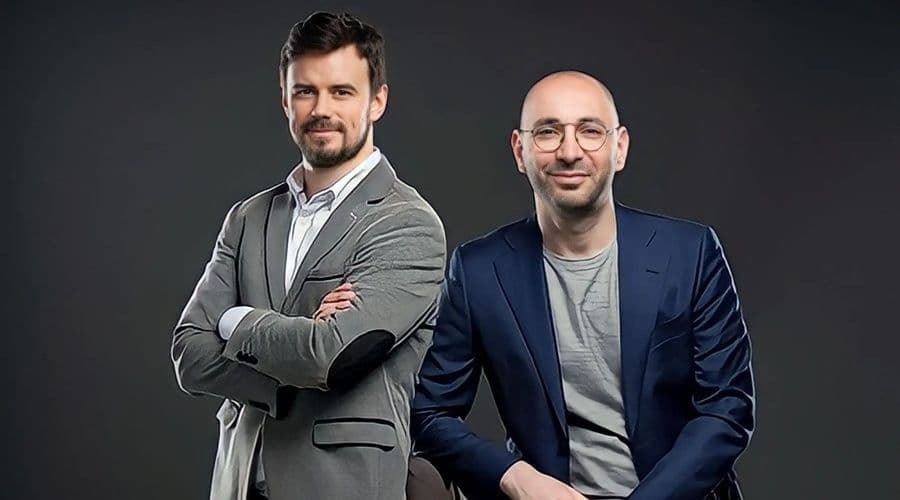
Tabby's $6.5B round turns Saudi fintech into a sovereign-scale story
Tabby raised $233M at a $6.5B valuation, led by Blue Pool Capital, as the Saudi fintech expands from BNPL into broader finance.
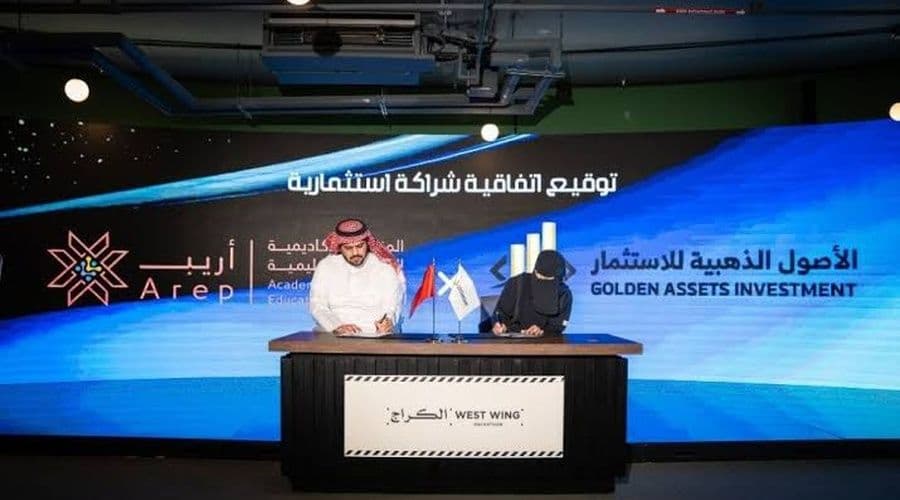
AREP's First Funding Round Backs Saudi Lab-Tech Play as Riyadh Pushes R&D
Saudi edtech and research startup AREP closes pre-Seed round led by Golden Assets Investment, targeting lab skills and procurement gaps in the Kingdom.
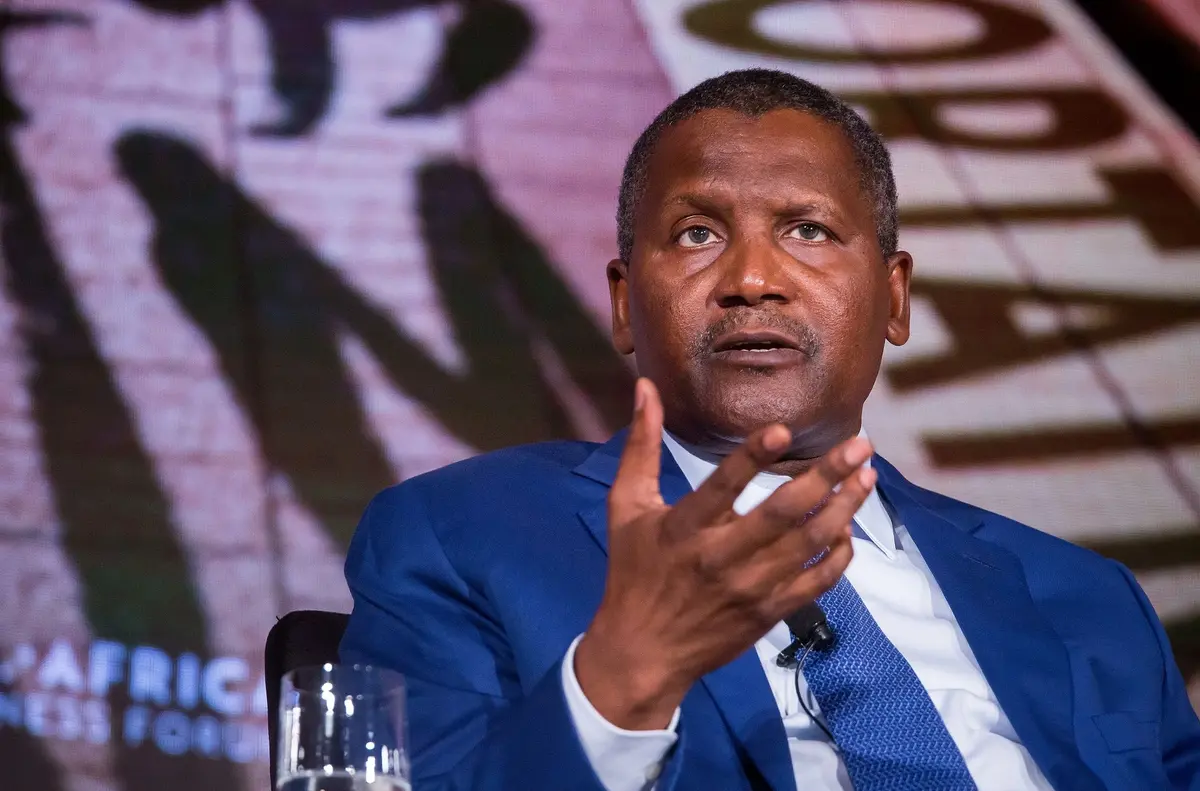
Dangote's Fertiliser Arm Eyes 2028 IPO as Ethiopia Plant Takes Shape
Aliko Dangote says his fertiliser business will IPO in 2028 and aims to be the world's largest, as a new Ethiopian plant extends the bet across Africa.
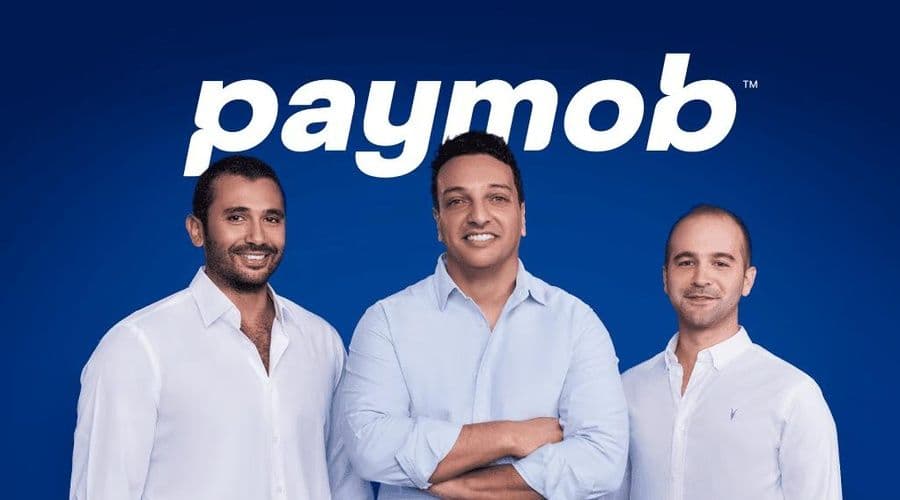
Mubadala and EBRD Back Paymob's $35 Million Push to Wire MENA's Payments Rails
Egypt-born Paymob raises $35M pre-Series C co-led by Abu Dhabi's Mubadala and the EBRD, as Gulf revenue surges and the fintech scales across four MENA markets.

Rize Lands $50 Million Jadwa Facility to Scale Saudi Rent-Now, Pay-Later Model
Saudi proptech Rize secures a $50m asset-backed Murabaha facility from Jadwa Investment to finance its residential rental contract portfolio.
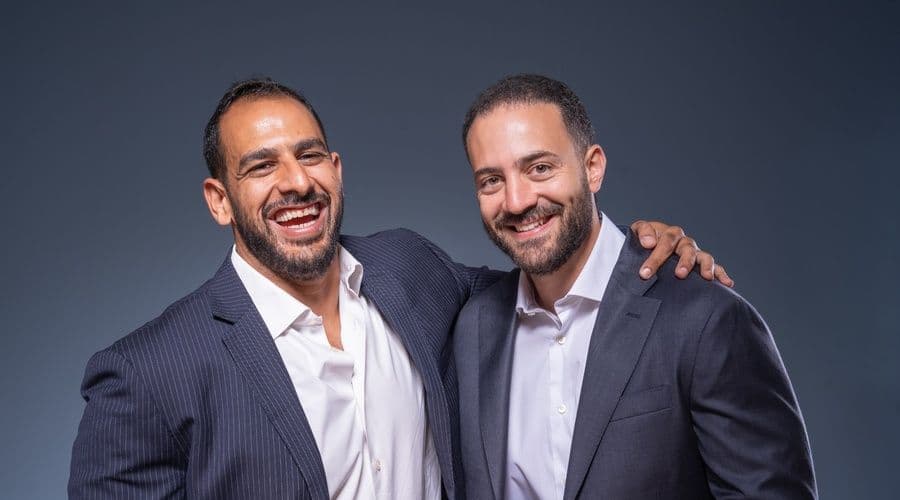
Abu Dhabi's Synapse Analytics Raises $13M Series A Led by Partech to Scale Sovereign AI for Banks
UAE-based Synapse Analytics closes $13M Series A led by Partech, total funding hits $17M, as Gulf AI startups draw global capital.
BRKZ Raises $31M to Wire AI Into Saudi Arabia's Building-Materials Supply Chain
Saudi proptech BRKZ lands $13M Series B and $18M growth debt, pushing its total raise past $70M as it scales AI procurement across the Gulf.

Oman's Sohar International plants its first flag outside the Middle East — in Hong Kong
Oman's No.2 bank Sohar International opens its first overseas rep office in Hong Kong, signalling Gulf capital's eastward shift.

PayTabs' $100M Amazon deal redraws the MENA payments map
Saudi fintech PayTabs buys Amazon Payment Services MENA in a $100M+ deal, creating a regional payments powerhouse processing $40B annually.
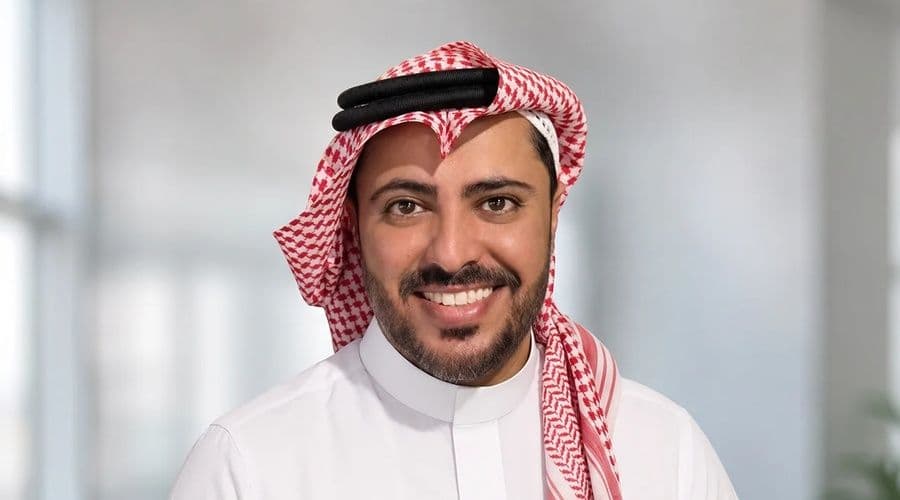
Jeddah’s Rwaj banks $1.2m to turn Gulf live-streaming into a bidding war
Saudi live-shopping startup Rwaj raises $1.2m pre-Seed to scale its auction-based social commerce platform across the region.
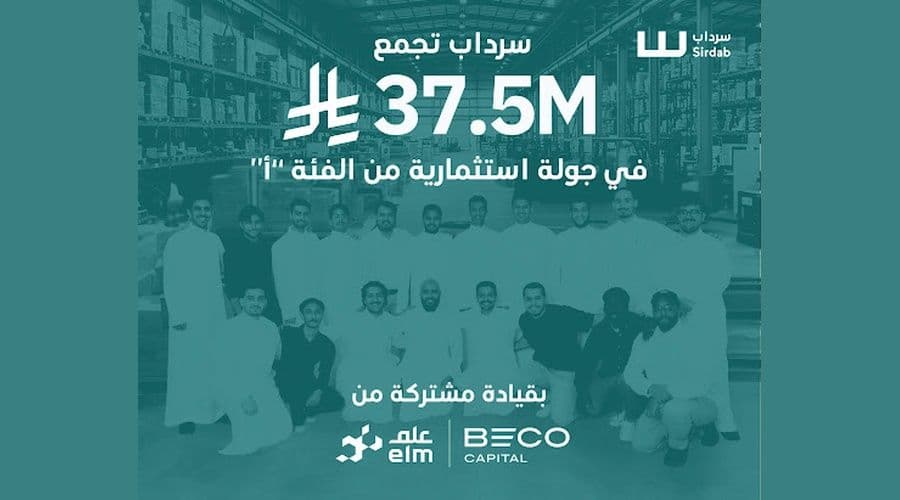
Sirdab's $10M Series A shows Saudi logistics is no longer just about oil
Sirdab raises $10M from Elm and BECO to expand GCC logistics platform, signaling Saudi supply-chain tech maturity.
BitOasis hands CEO reins to Jonathan Rigg as Gulf crypto enters adulthood
BitOasis names ex-HSBC banker Jonathan Rigg CEO, replacing co-founder Ola Doudin, as the MENA crypto pioneer scales beyond $8.5B in trades.
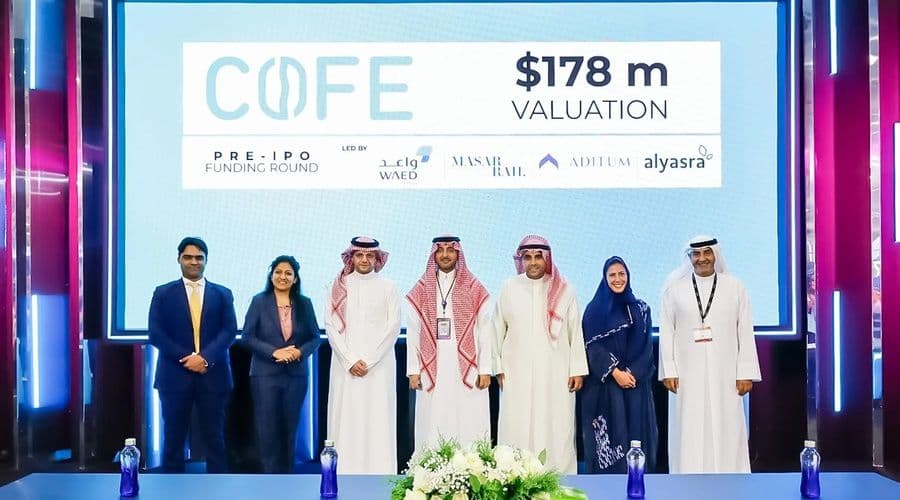
Kuwait's COFE Tech raises pre-IPO round at $178M, eyes Saudi listing by 2029
Kuwait-founded COFE Tech closes pre-IPO round at $178M valuation, backed by Aramco's Wa'ed, targets Saudi Exchange IPO by 2029.
Oil at $91 Is the Market's New Inflation Tinderbox — and Bonds Are Already Smelling Smoke
Brent crude's climb past $91 a barrel is reigniting inflation fears and driving a global bond sell-off, with yields hitting fresh highs. For wealth builders, the message is clear: the era of cheap money is over, and every portfolio needs a hedge against sticky price pressures.
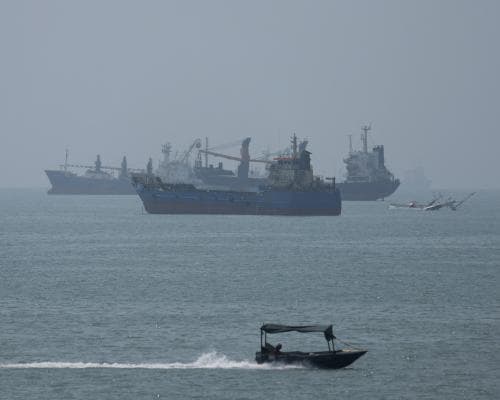
The Strait of Hormuz: The World's Most Coveted Waterway
As the US and Iran trade fire over the Strait of Hormuz, the world's most important maritime chokepoint becomes a stage for geopolitical tension and a reminder of the fragile luxury of global movement. For the ultra-wealthy, whose yachts and supply chains depend on these waters, the stakes have never been higher.
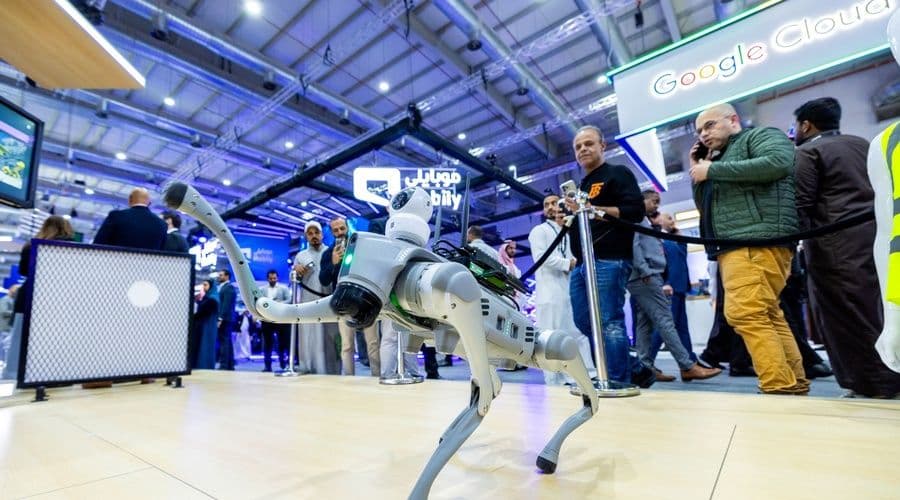
Riyadh's LEAP turns five: $14.5 trillion in capital descends on the Gulf's AI moment
LEAP 2026 opens in Riyadh with 1,289 investors managing $14.5 trillion, AI focus, and a $1M startup prize — a milestone for Saudi tech ambitions.
Sawiris money rides Swvl's U.S. bet as Cairo's billionaires back mobility's next lane
Swvl lands $13M PIPE led by Sawiris-backed Coefficient, fueling U.S. expansion and lending push as Egypt's wealth bets on GCC mobility.
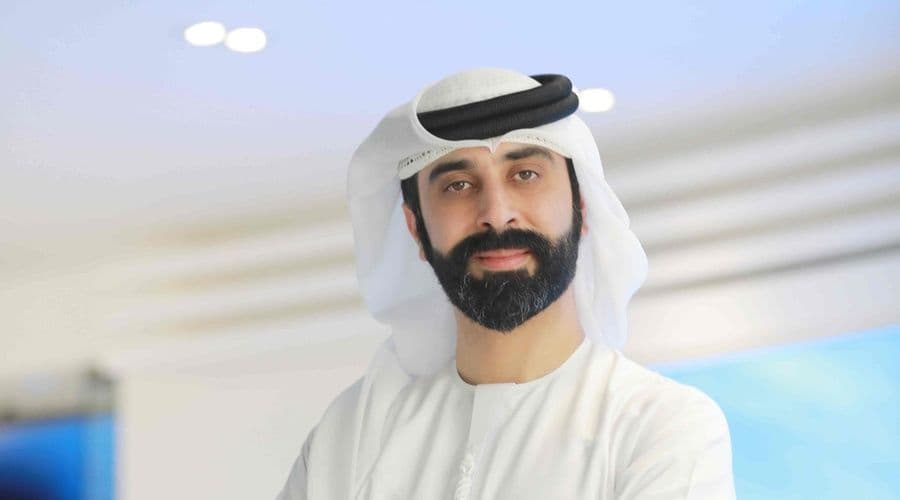
Stellaria’s $6.8M seed round puts a UAE flag on the new space economy
UAE startup Stellaria raises $6.8M at $114.4M valuation to scale its AI geospatial platform, signaling Gulf capital's push into space-tech sovereignty.

Qatar and Koch Back Gatik's $200M Bet on Driverless Middle-Mile Freight
Gatik raises $200M led by Qatar and Koch to scale driverless freight, signaling a major shift in autonomous logistics investment.
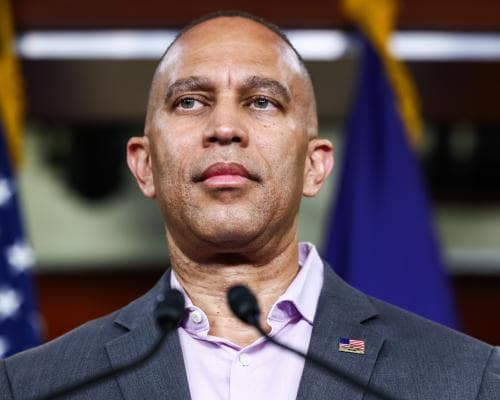
The Art of the Meeting: Hakeem Jeffries’s Risky, Rule-Breaking Sit-Down with Jared Kushner
House Minority Leader Hakeem Jeffries defends his private meeting with Jared Kushner, insisting it was about the affordability crisis, not appeasement. A bold move that has Democrats fuming and Republicans watching — and a masterclass in political philanthropy.
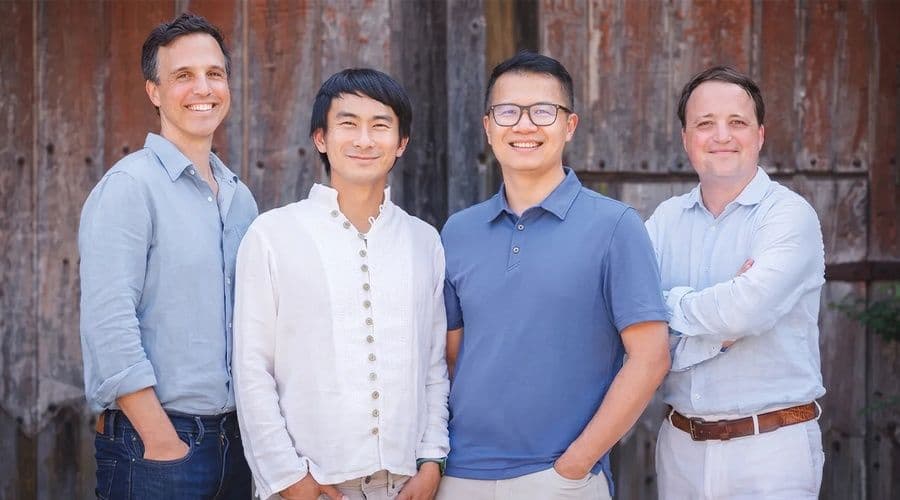
Aramco’s venture arm bets $20 million on digital twins for the office
Aramco Ventures co-leads $20M seed round in US AI startup Twin1 AI, signaling Saudi capital's push into enterprise software.
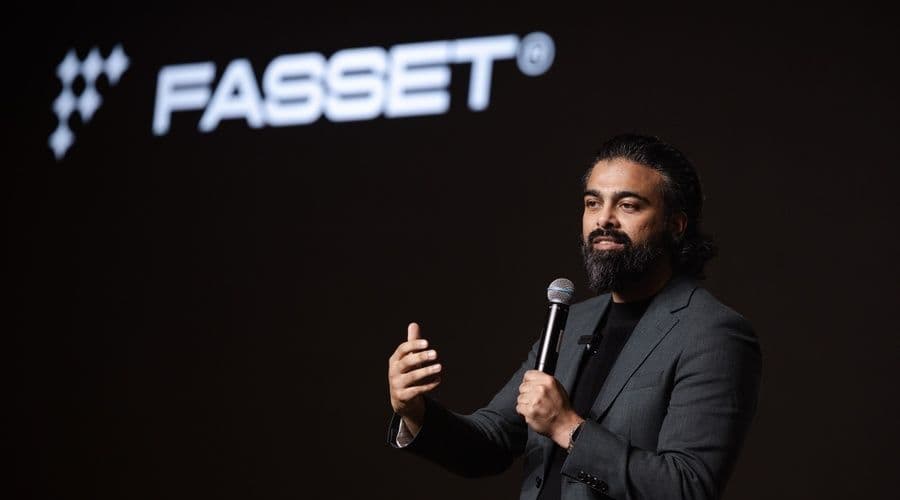
Fasset crosses $1 billion valuation as SBI bets on stablecoin bridge from Tokyo to Dubai
UAE fintech Fasset hits unicorn status with $68M Series C led by Japan's SBI Group, expanding stablecoin banking across emerging markets.
Woodside's Fossil Fuel Pivot: Profiting from War While Abandoning Climate Pledges
Australia's largest oil and gas company, Woodside Energy, has scrapped its long-term emissions and clean energy investment targets, redirecting profits from Iran conflict-driven oil price surges back into fossil fuels. The move signals a broader retreat among energy majors from decarbonization commitments as geopolitical instability boosts short-term returns.
Woodside Abandons Clean Energy Targets to Chase Premium Oil Profits
Australia's largest oil and gas company, Woodside Energy, has scrapped its long-term emissions targets, doubling down on fossil fuels after a 27% surge in sales profit to $2.33 billion. The move signals a stark shift in energy strategy, prioritizing premium markets over climate commitments, and raises the stakes for investors weighing ESG mandates against short-term returns.
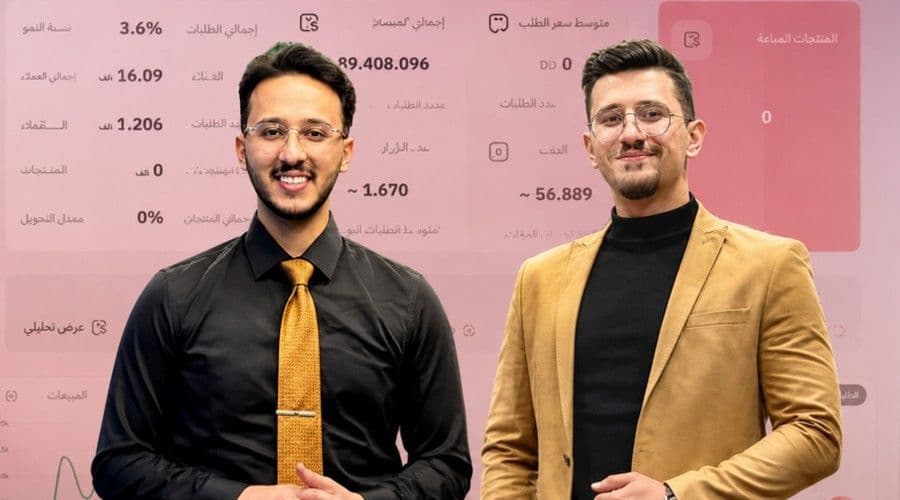
Iraq's Rozenama lands $150K from perfume mogul to drag Baghdad's merchants off Instagram
Iraqi e-commerce startup Rozenama raises $150K pre-seed from Aljasmi Perfumes CEO Mohammed Haider to rebuild its platform and expand beyond Baghdad.

Saudi AI tutor AILA banks $3M to take personalised learning beyond the Gulf
Saudi edtech AILA raises $3M pre-Series A led by Rua Growth Fund to scale AI-driven personalised learning regionally and globally.
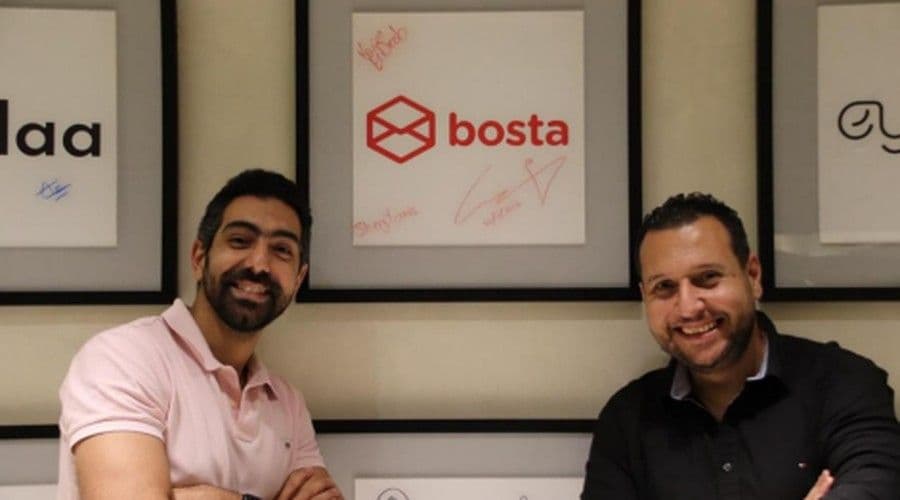
Saudi VC Khwarizmi books 3x on Bosta as Gulf money reshapes Egypt's delivery wars
Saudi VC Khwarizmi Ventures partially exits Egyptian logistics startup Bosta at nearly 3x net, its sixth portfolio exit in under five years.
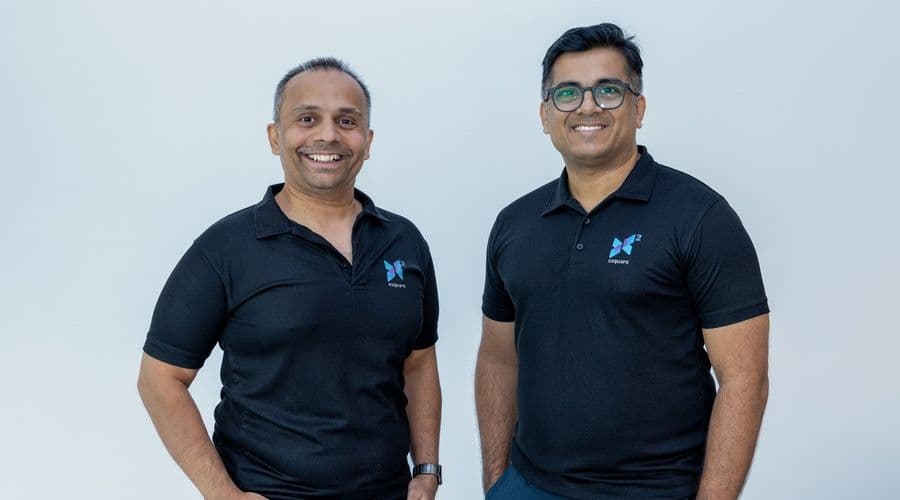
Dubai fintech XSquare secures pre-Seed to crack Saudi B2B payments
UAE fintech XSquare raises pre-Seed led by Raed Ventures, plans Saudi expansion for B2B payment orchestration.

Tax Star’s $1.75M Seed Bet on the UAE’s E-Invoicing Countdown
UAE taxtech Tax Star raises $1.75M seed to ride the e-invoicing mandate, with GCC expansion in sight.
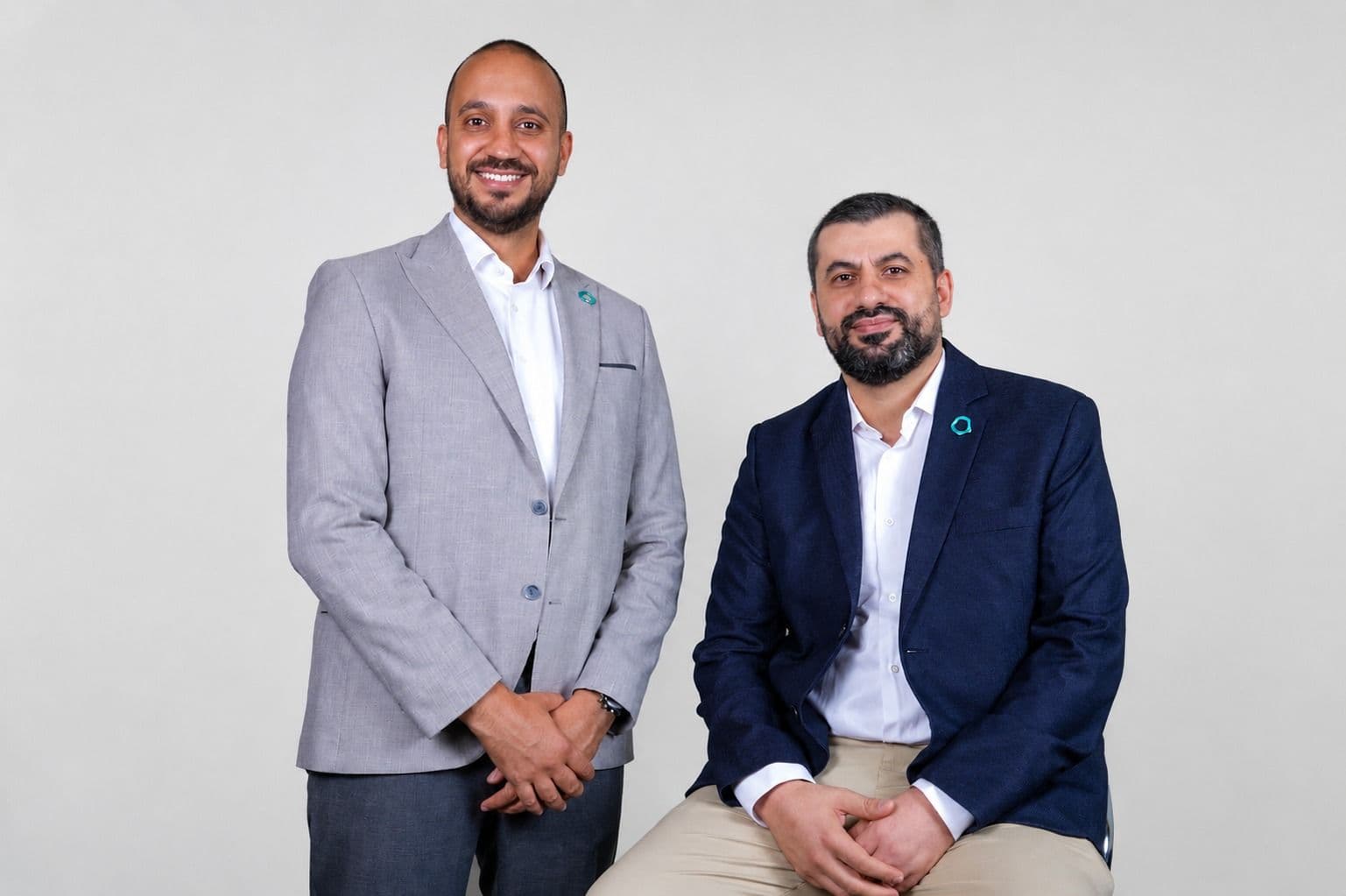
Arab Therapy's $2M bet on Arabic-first mental health signals a new era for regional startups
Jordanian-founded Arab Therapy raises $2M pre-Series A to scale AI mental health across Saudi Arabia and MENA, led by Manara Ventures.

Qatar’s Rasmal bets on Yuno to wire the Gulf into global payments
Qatar's Rasmal Ventures backs Yuno's $45M Series B, making Doha the GCC hub for a payments firm linking 1,000+ methods across 190 countries.

Cobi’s $1M pre-seed signals a new era for AI-driven customer intelligence in the Gulf
UAE startup Cobi raises $1M pre-seed led by Lunara Partners to scale AI customer intelligence across the Middle East.
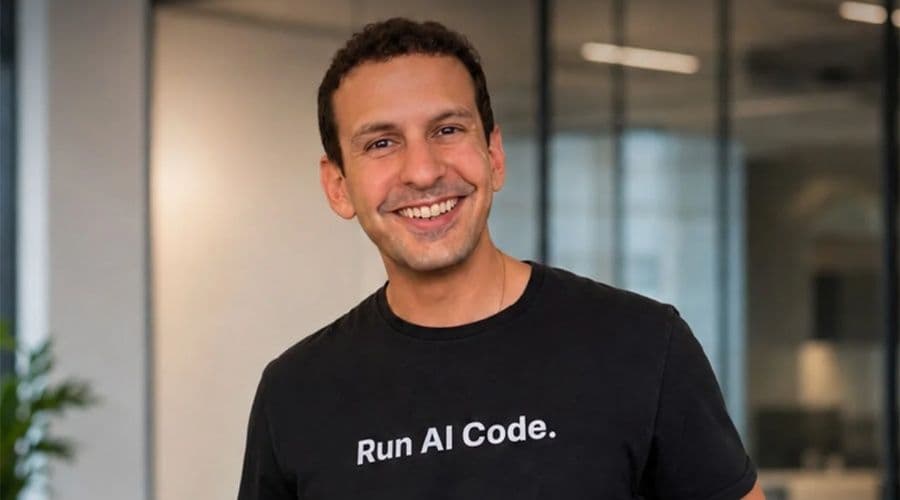
HeyBreez Raises $2.5M to Become the Backbone of Enterprise Voice AI
MENA-born voice AI startup HeyBreez secures $2.5M seed to scale its operational layer for enterprise voice agents, processing over a million calls monthly.

Iran Shock Hits UK Pockets: Inflation Jumps to 2.9% and the Bank of England Flinches
UK inflation accelerated to 2.9% in July as the Iran war sent energy bills soaring, squeezing households and forcing the Bank of England to weigh an early rate hike. For wealth builders, this is a stark reminder that geopolitical risk can upend the most orderly of economic recoveries.

Naran's $10M bet: UAE fintech takes rent-to-own wheels to the global gig economy
UAE mobility fintech Naran raises $10M from Landel to expand rent-to-own vehicle financing across Latin America, Africa, and MENA.
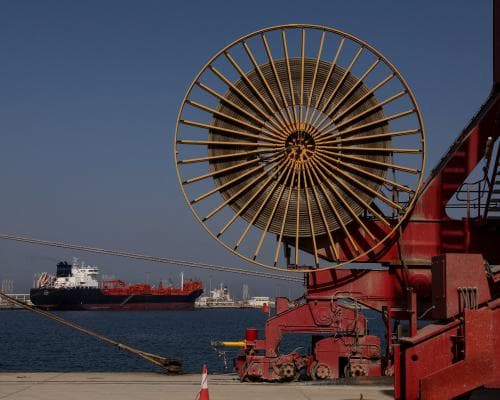
Oil's $90 Blowback: The Ceasefire That Wasn't, and What It Means for Your Portfolio
As hopes for a permanent US-Iran ceasefire collapse, Brent crude has surged past $91 a barrel, reigniting inflation fears and complicating central bank rate-cut plans. For investors, this is a stark reminder that geopolitical risk premiums are back, and energy exposure is no longer optional.
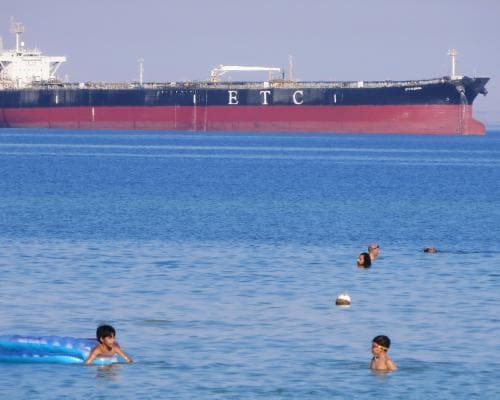
Oil Breaks $90 as the Strait of Hormuz Becomes a War Zone: What It Means for Your Portfolio
Brent crude surged past $90 a barrel after the US-Iran ceasefire expired and Trump threatened to bomb Oman, signaling a prolonged closure of the Strait of Hormuz. For wealth builders, this is a stark reminder that geopolitical risk is now the dominant driver of energy prices—and a potential hedge for portfolios.

Shaffra carries GCC's AI workforce gospel to the Caspian
GCC-born AI startup Shaffra opens Azerbaijan HQ, its first move beyond the Gulf, targeting the Caspian's emerging tech scene.
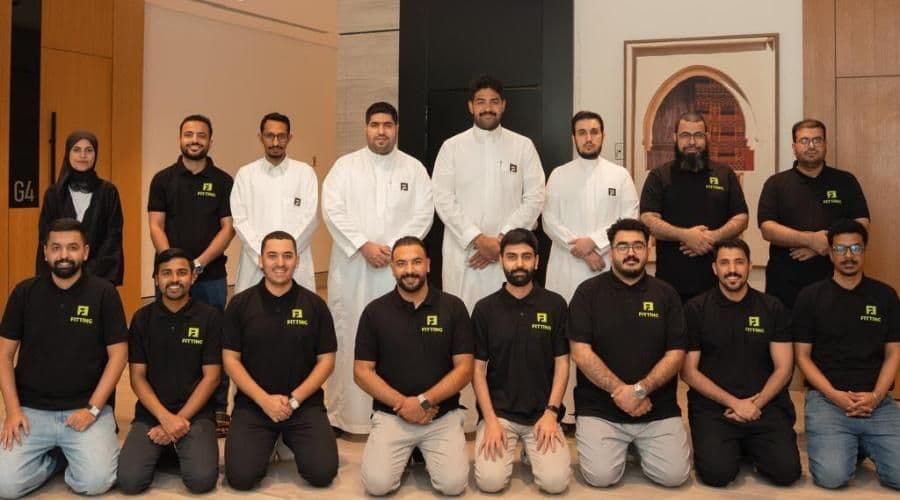
Saudi startup Fitting secures $1.1m seed to digitize construction supply chains
Saudi contech Fitting raises $1.1m in second seed round to automate construction procurement and expand across the Kingdom.
Private equity holds the key to MENA's next growth chapter
MENA needs 300M jobs by 2050. Private equity can bridge the financing gap for mid-sized firms and drive diversification.
Moove's $250M Series C puts Abu Dhabi at the wheel of the autonomous future
Moove hits $2.1B valuation with $250M Series C led by Mubadala, betting on autonomous fleet infrastructure from Abu Dhabi to Phoenix.
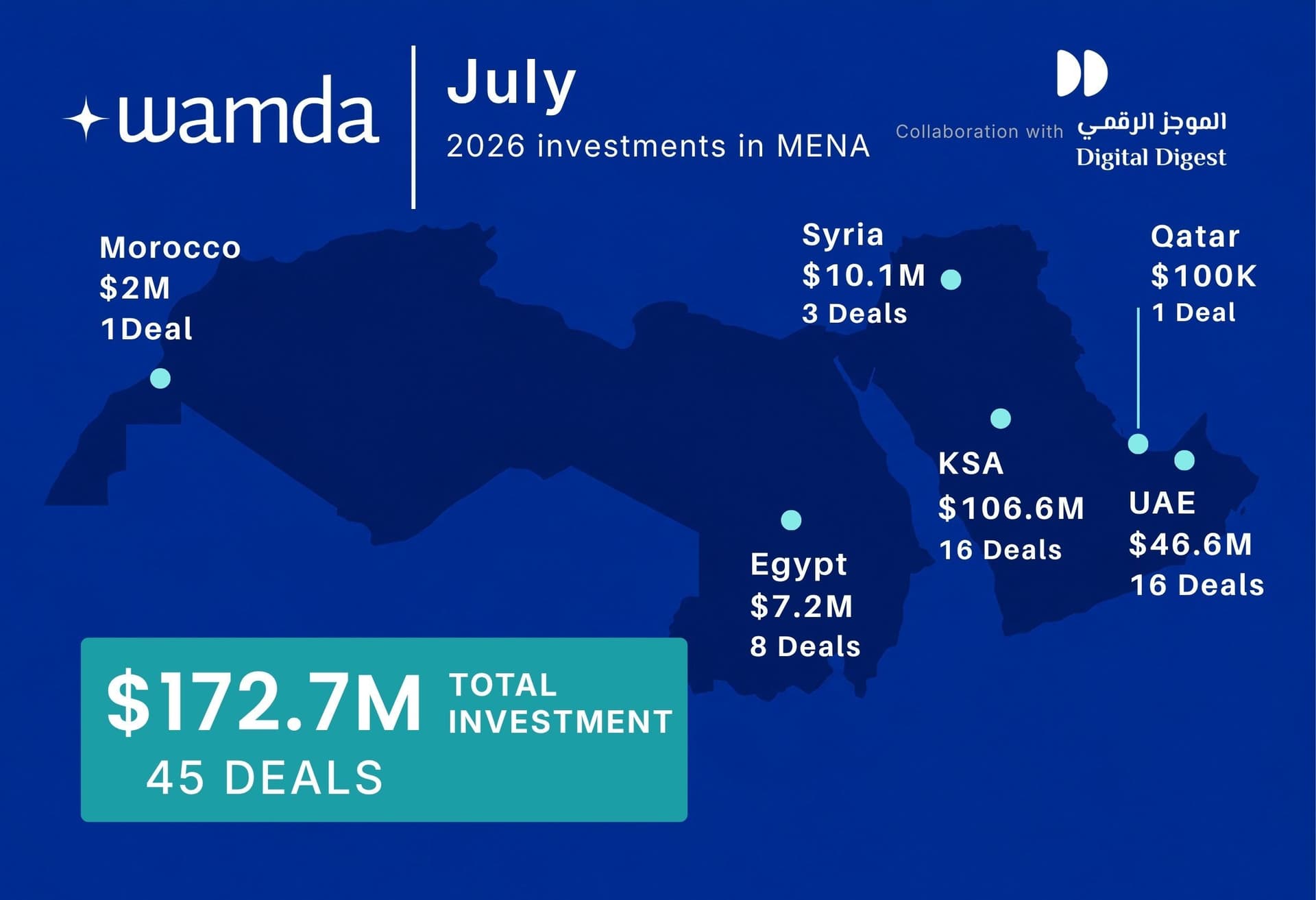
Saudi Arabia reclaims MENA startup crown, but the debt behind the rebound tells the real story
MENA startups raised $172.6M in July 2026, with Saudi Arabia leading at $106.6M — but 56% came from debt, not equity.
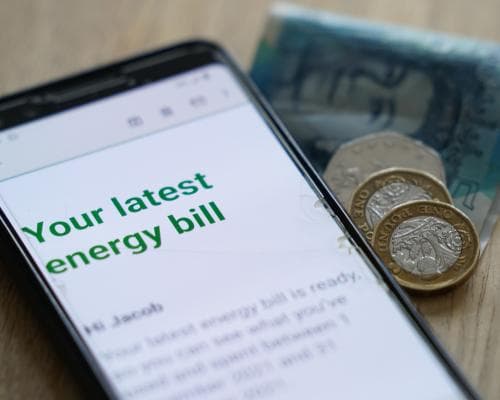
The Energy Crunch Is Back: How Britain's Inflation Spike Is Reshaping the Investment Landscape
Soaring UK energy bills are set to push inflation to 2.9%, reigniting a cost-of-living crisis that complicates Bank of England policy. But the real story is how this energy shock is accelerating the shift toward efficiency technology, from smart grids to next-gen semiconductors.

Wall Street's AI Fever Breaks as Consumer Caution and Middle East Oil Jolt Investors
S&P 500 snaps winning streak as retail sales disappoint, Applied Materials drags AI stocks, while energy and memory chip makers surge.

Automotus raises $9M to bring AI curb management to cities, airports
LA startup Automotus raises $9M to expand AI-powered curb and traffic management for cities and airports, totaling $26M raised.
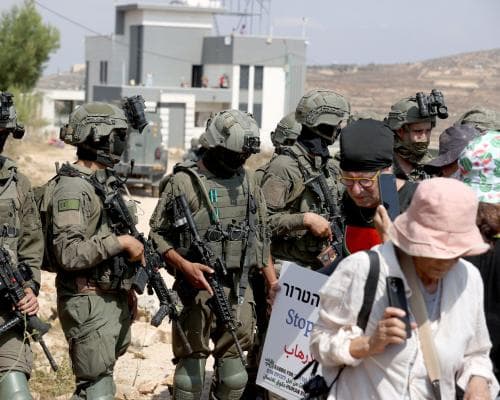
The Quiet Annexation Trade: Why Israel's West Bank Police Shift Spooks the Region's Capital
Israel's plan to hand West Bank settler law enforcement to police marks a structural step toward formal annexation, a move that could reshape risk calculations for investors in Israeli assets and regional markets. For wealth builders, the story is about how political creep alters the legal and reputational terrain for capital deployed in the occupied territories.
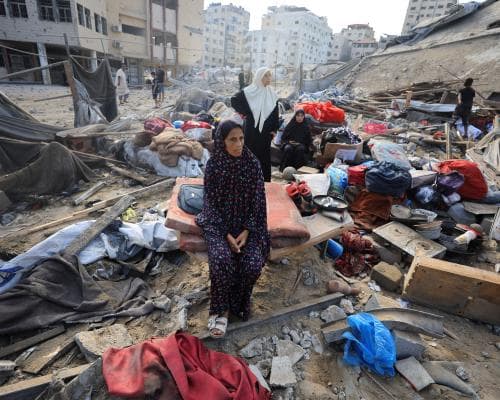
The $2 Trillion Chokepoint: Why Iran’s Supreme Leader Silence Is Moving Oil Markets
Iran’s hidden leadership crisis and Trump’s ‘low-key’ economic siege are turning the Strait of Hormuz into the world’s most dangerous trade route — and wealthy investors are repositioning for a supply shock that oil prices haven’t priced in yet.

The Standard Setter: Jordan Henderson and the New Art of the Transfer
Chelsea's surprise acquisition of Jordan Henderson signals a shift in football's luxury market—where veteran gravitas and dressing-room alchemy now rival raw talent. A masterclass in the quiet power of experience, this is the transfer as a statement of taste.
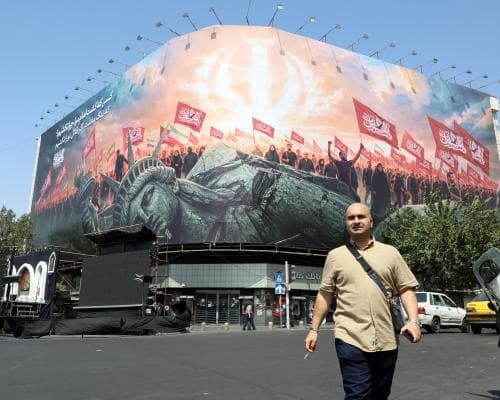
Trump's 'Total Surrender' Ultimatum Is a Market Signal: The Iran Risk Premium Isn't Done Repricing
Washington's hardline stance on Iran, with talks stuck in limbo, is keeping a stubborn floor under oil and shipping costs while gold holds its bid. For wealthy allocators, the real trade isn't a headline chase—it's positioning for a prolonged volatility regime in energy and defense.
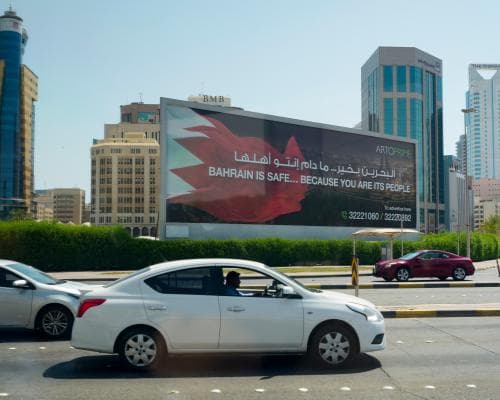
The Strait of Hormuz Flashes Red: How a Drone Attack on Bahrain Is Reshaping the Risk Premium for Global Capital
Iran’s tit-for-tat drone strike on Bahrain and a tanker in the Strait of Hormuz has shattered a fragile US-Iran ceasefire, reigniting the geopolitical risk that wealthy investors and commodity traders had begun to price out of energy markets. For the world’s smartest capital, the return of direct military confrontation in the world’s most critical oil chokepoint means a sudden repricing of shipping insurance, crude futures, and the stability assumptions underpinning Gulf sovereign wealth funds.