
SWI Raises €800M to Convert Bitcoin Mining Power Into AI Computing
SWI Group raised €800M at a €6.1B valuation, repurposing Genesis Digital's grid connections from Bitcoin mining to AI data centres.
Read the StoryEuropean Billionaires: Old Money, Luxury Houses and Industrial Dynasties
European wealth is the world’s most inherited. Where American and Chinese fortunes are typically first-generation, Europe’s largest are frequently second, third or fifth — held within families who have owned the same luxury house, industrial group or private bank for generations.
The continent’s defining wealth engine is luxury. A small number of French, Italian and Swiss groups control the brands that define global status consumption, and their owners sit consistently among the wealthiest people alive because those brands price on desire rather than cost.
World Billionaire Day follows the succession, consolidation and quiet family transfers that move European capital, alongside the industrial and financial fortunes that sit behind the more visible luxury names.
What defines European wealth
Luxury conglomeration is the signature model. Acquiring heritage brands and operating them at scale — sharing distribution, property and marketing power while preserving each label’s exclusivity — has produced the largest fortunes on the continent.
Family control is preserved deliberately. Dual-class shares, holding companies and foundations let European dynasties raise public capital without surrendering command, which is why so many listed European groups still answer to a single family.
Industrial depth persists. German engineering, Italian manufacturing and Nordic industrials continue to generate substantial wealth in businesses that rarely attract consumer attention.
Private banking and asset management, particularly Swiss, convert the continent’s wealth into fee income — producing fortunes built on managing other people’s money rather than making things.
Who is the richest person in Europe?
Bernard Arnault of France, chairman of LVMH, has held the position for most of the past decade, with a fortune built on the world’s largest luxury group. Rankings move with luxury-sector share prices, so figures are estimates rather than fixed totals.
Why is so much European wealth in luxury goods?
Because Europe holds the heritage brands, and heritage cannot be manufactured. Houses founded in the nineteenth and twentieth centuries carry provenance competitors cannot replicate, allowing pricing power that compounds into extraordinary margins.
Is European wealth mostly inherited?
More than any other region. A large share of Europe’s billionaires inherited a controlling stake in an existing business, and family structures are explicitly designed to keep control across generations.
Which European countries have the most billionaires?
Germany, France, Italy, Switzerland, the United Kingdom and Sweden lead. Germany’s wealth is notably dispersed across industrial and retail families rather than concentrated in a few very large fortunes.

Anta's €1.5bn Puma Stake Redraws the Map of Global Sportswear
Anta Sports buys a 29% stake in Puma from France's Pinault family for €1.51bn, becoming the German brand's largest shareholder.
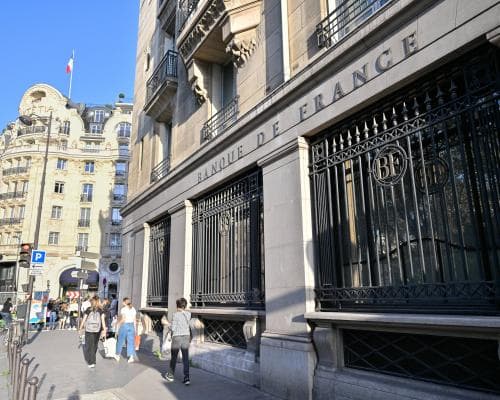
Informa's £2.2bn Clarion Bet: A Live Events Giant Doubles Down as France's Debt Woes Sink the Euro
Informa is buying Clarion Events for £2.2bn and spinning off Taylor & Francis to become a pure-play live events powerhouse, funded by a £940m share placing. Meanwhile, France's central bank chief warns of strangulation by interest rates, sending the euro lower and underscoring the stark divide between corporate boldness and sovereign fragility.

The £2.5 Billion Stuck in Limbo: Abramovich's Frozen Chelsea Fortune Keeps Growing
Roman Abramovich's frozen Chelsea sale proceeds have ballooned to nearly £2.5 billion, earning £175 million in interest while a legal standoff prevents the money from reaching Ukraine. The saga raises urgent questions about how—and when—frozen philanthropic capital can ever be deployed.
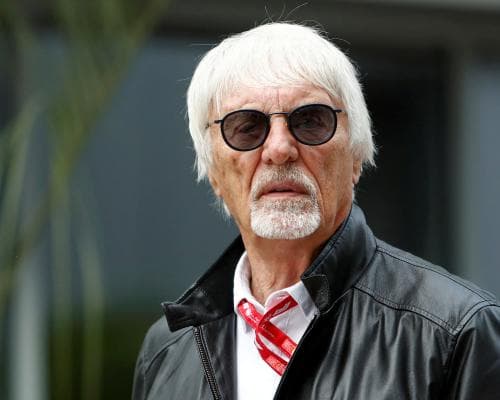
Bernie Ecclestone's Shotgun Seizure: A 95-Year-Old's Luxury Jet, a Missing License, and the High-Stakes Rules of Moving Private Firearms
Formula One kingpin Bernie Ecclestone was briefly detained in Portugal after customs found an unregistered shotgun on his private jet—a reminder that even billionaires must clear legal hurdles when moving high-value, regulated goods across borders. The incident underscores the compliance complexities of cross-border wealth mobility, where a routine flight can become a legal and reputational risk.
Deals, Moves & Markets
The Europe Brief
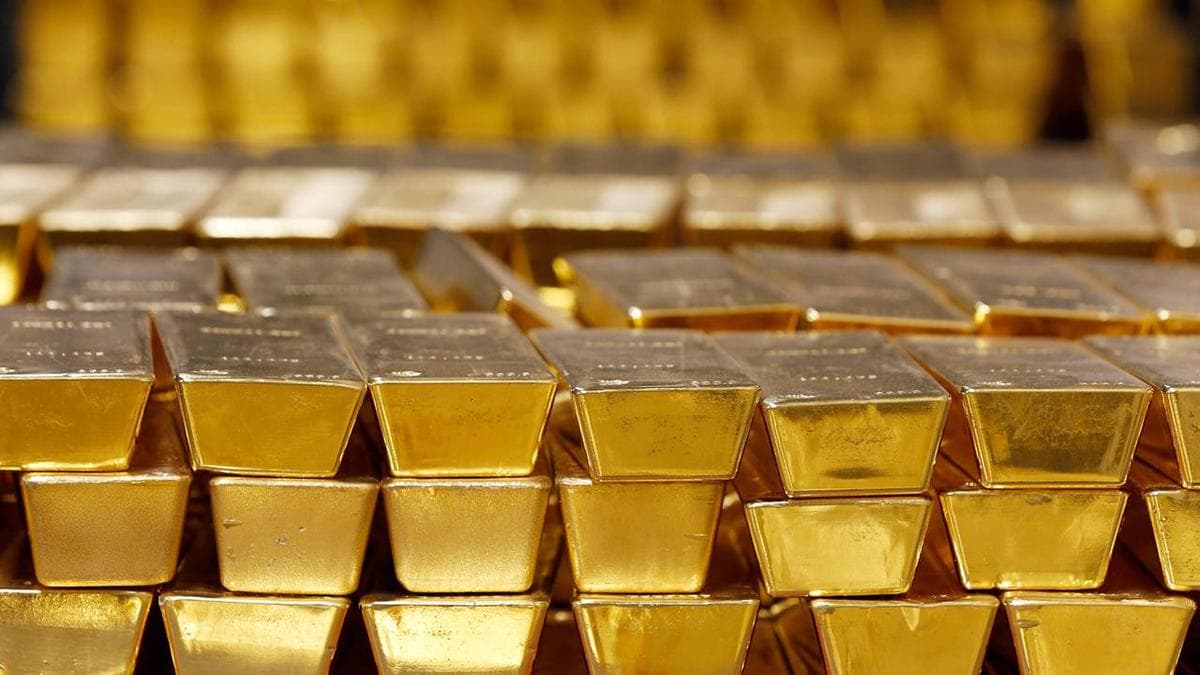
Gold's quiet voyage: A Dutch bank's crisis playbook reaches Oceania's shores
Betancourt's century deal: Washington bets on a tainted Venezuelan magnate
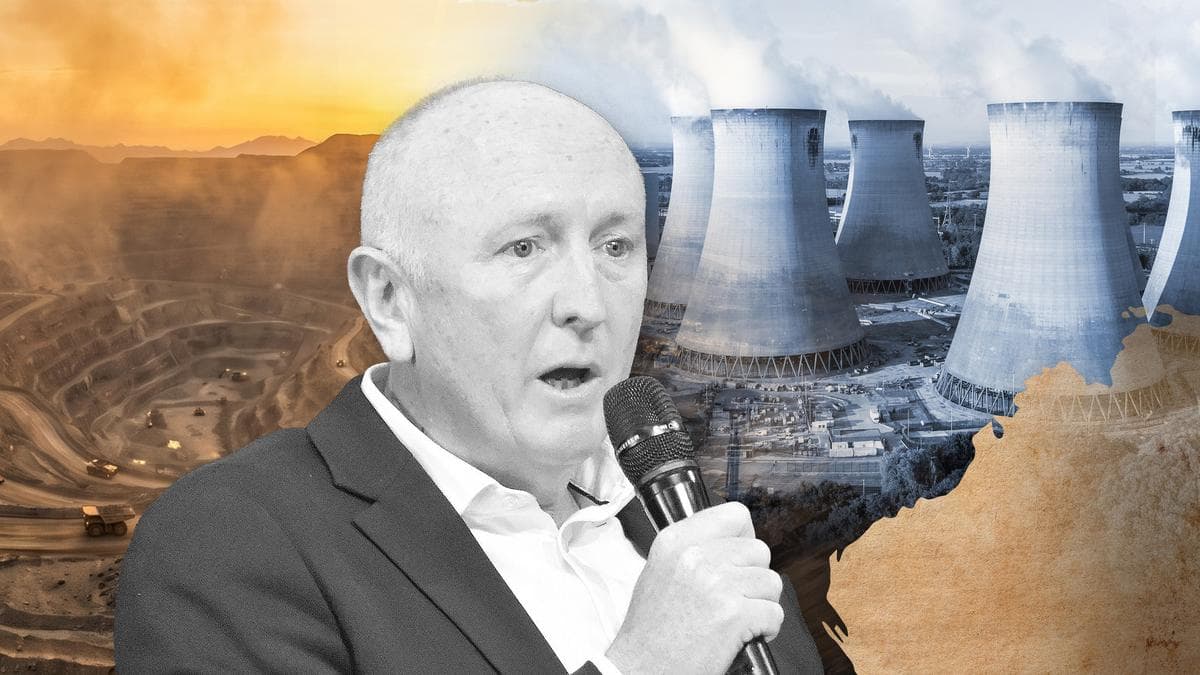
WA talks up its energy future at Norway's ONS as coal exit looms
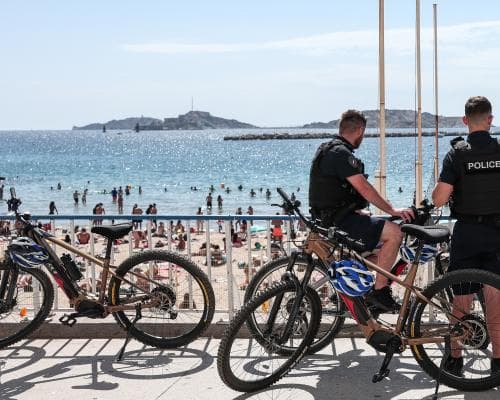
Marseille's Second Act: The Rough-Diamond Revival of France's Most Seductive Port
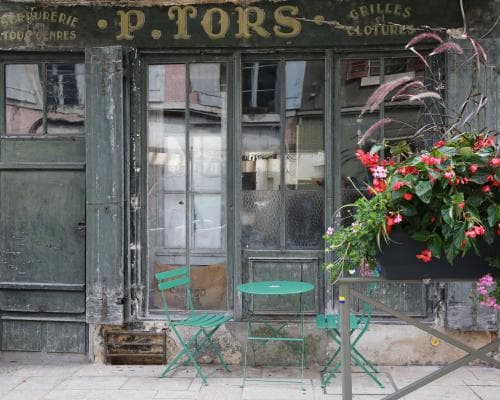
The Sacred Pause: Why the Rich Are Reclaiming the French Sunday and the Italian August
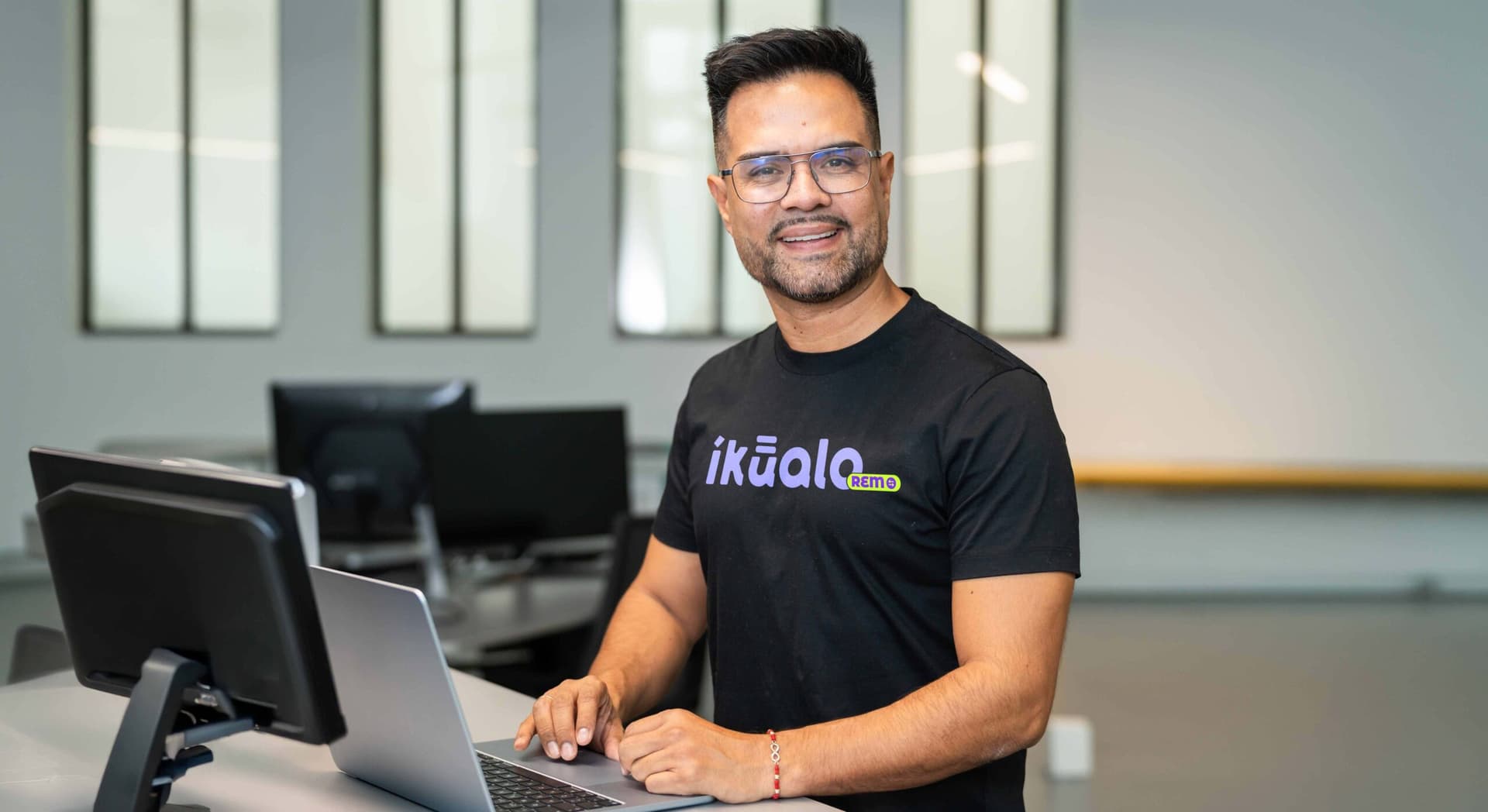
Europe's Venezuelan diaspora gets a regulated lifeline as Íkualo targets €30M in remittances
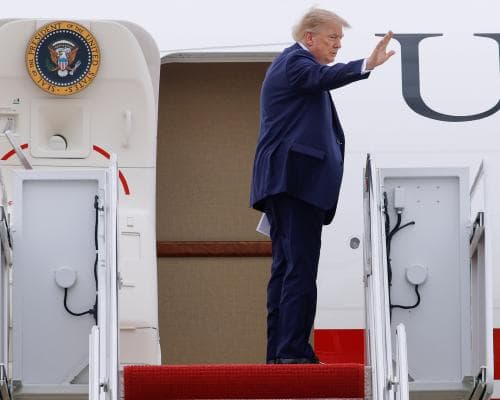
The Art of Discretion: When Even a President Needs a Yacht-Like Escape
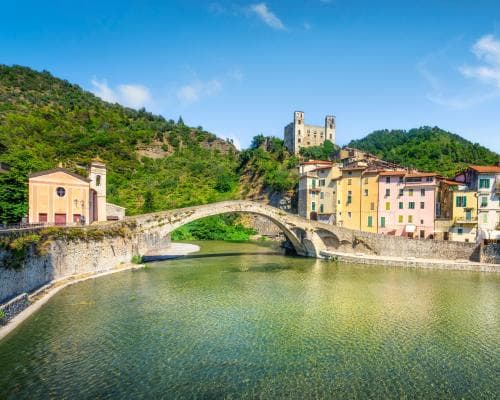
The Art of the August Escape: Why Italy’s Villeggiatura Is the Ultimate Luxury
Continuously Updated
Business & Wealth in Europe
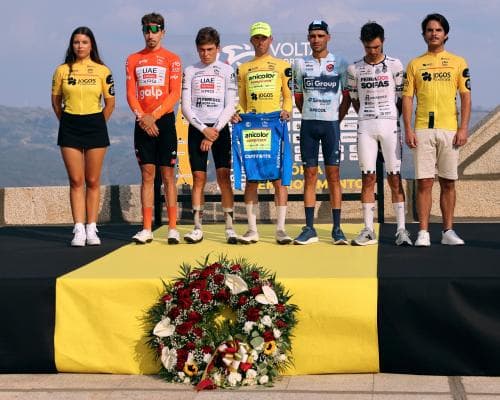
A 19-Year-Old's Death Exposes the Hidden Cost of Cycling's Boom
The death of Finlay Tarling at the Volta a Portugal has ignited fury over race safety, revealing a sport stretched thin by rising costs and governance gaps. For the wealthy backers and investors fueling cycling's expansion, this is a stark warning that money without oversight can turn deadly.
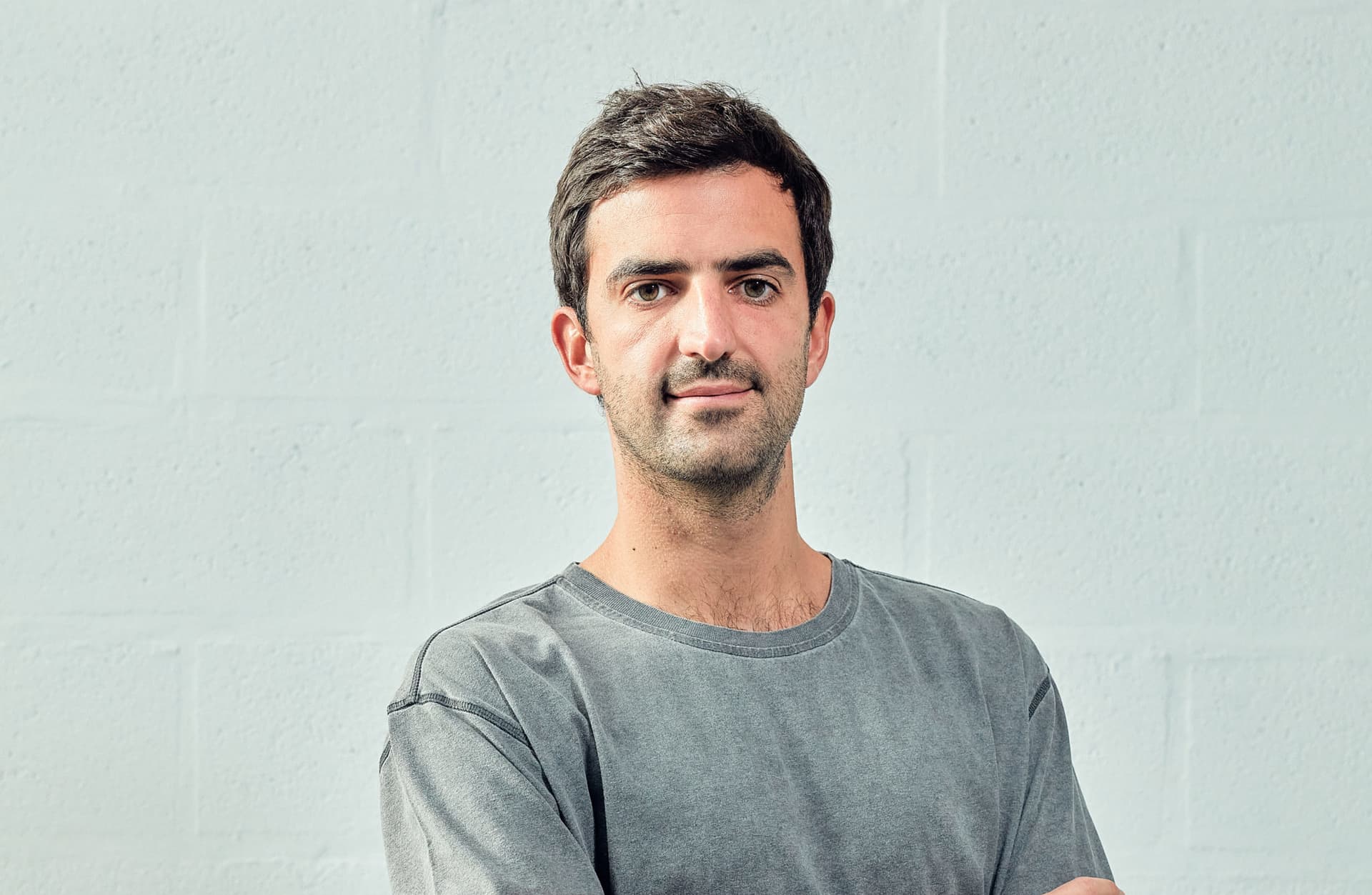
Mexico's Luca banks $8M to scale AI classrooms across Latin America
Mexico's AI-powered EdTech Luca raises $8M led by 6 Degrees Capital to expand across Latin America after tripling revenue in 2025.

Trump's Navy shipbuilding gambit hands Hanwha and Fincantieri a rare opening in US defense
US Navy opens shipbuilding to foreign yards, lifting Hanwha and Fincantieri shares. Seoul's $5bn bet pays off as Asia capital moves into American defense.
Ukraine's drone war reaches Russia's richest woman: Wildberries in flames
Ukrainian strikes on Wildberries warehouses threaten Tatyana Kim's e-commerce empire, reshaping Russia's retail war economy.
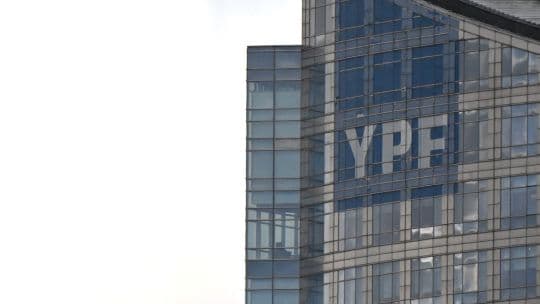
YPF’s $51bn Vaca Muerta LNG bet reshapes Argentina’s energy future
Argentina’s YPF unveils a $51bn LNG export plan for Vaca Muerta, the largest RIGI investment yet, with ENI and XRG backing.
YPF's $51bn LNG bet: Argentina's biggest investment yet rides on Vaca Muerta
YPF files Argentina's largest RIGI project—a $51bn LNG export venture with Eni and XRG—to monetize Vaca Muerta gas.
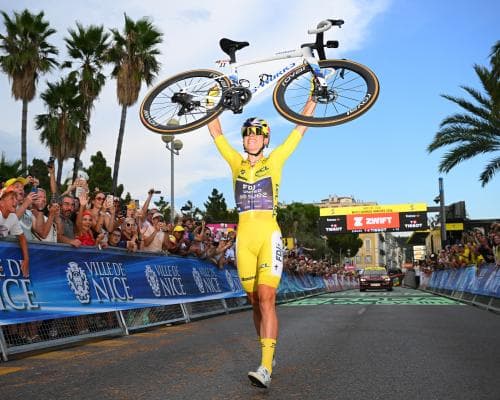
The Art of the Impossible: Inside the Drama of the Tour de France Femmes
A gripping account of the final stage of the Tour de France Femmes, where Demi Vollering’s relentless grit and a team’s shared belief turned a punishing Alpine climb into a triumph of will. A story that transcends sport, revealing the quiet luxury of determination and the elegance of chasing a dream.
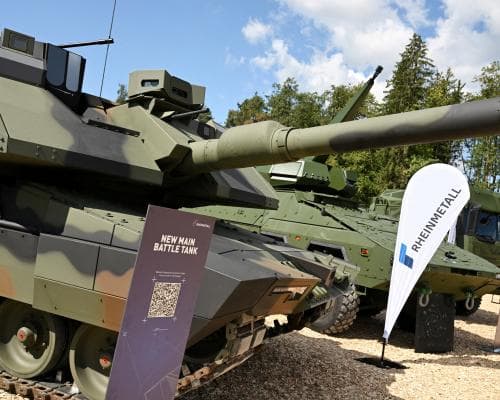
Germany's factory orders surprise, but Rheinmetall's naval loss reveals the cracks in Europe's defense boom
German factory orders beat forecasts with a 3.1% jump, but Rheinmetall's profit warning after losing a multi-billion-euro naval contract shows the uneven nature of Europe's industrial recovery. For investors, the divergence signals where capital should flow—and where it should retreat.

🎂 Happy Birthday, Fredrik Lundberg: The Billionaire Builder Who’s Shaping Sweden’s Future!
Cheers to Fredrik Lundberg, the Swedish industrial titan who turns another year wiser today! With a net worth of $9.9 billion, this real estate and investment mogul isn’t just…
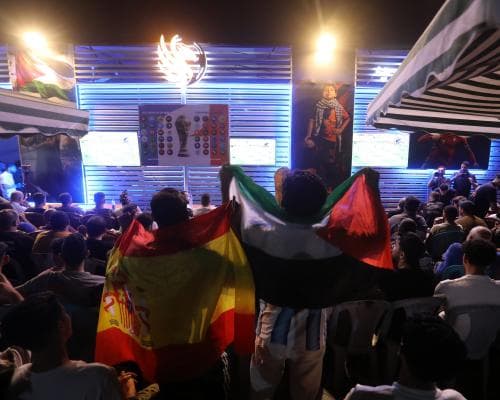
The Flag of Solidarity: How Spain’s World Cup Victory Became Gaza’s Celebration of Resistance
In the streets of Gaza, Spain’s World Cup triumph transcended sport, becoming a defiant expression of political kinship and hope. The story of how a football team’s victory became a symbol of shared humanity and resistance against oppression is one of the most poignant luxury narratives of our time—where the rarest currency is solidarity.
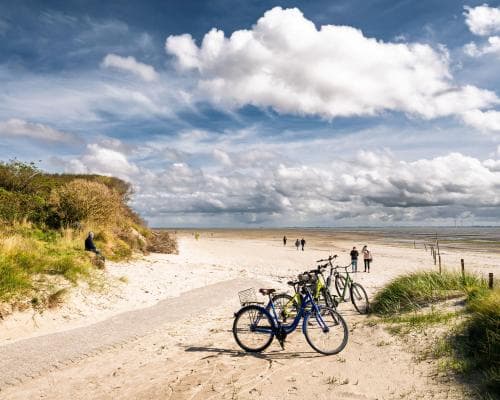
The Billionaire’s Mudflat: Why Germany’s East Frisian Islands Are the World’s Most Exclusive Quiet Zone
The crackling sound is barely audible. It’s the rustle of a forgotten sweet wrapper, the fizz of a half-opened bottle of Champagne. But this is no party. I’m ankle-deep in cold,…
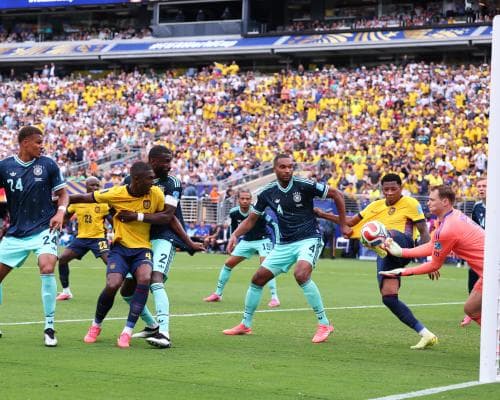
The Identity Paradox: Julian Nagelsmann and Germany’s Search for a New Lexicon of Luxury
In the rarified air of elite competition, Germany’s national football team finds itself caught between the weight of its storied past and the elusive promise of a future yet defined. This is a story not of defeat, but of the delicate, often fraught, process of curating a new identity—one that the ultra-wealthy, who understand the value of legacy and reinvention, will recognize as the ultimate luxury.