Where the Terns Fall Silent: A Rare Look at Australia's Wildest Isles
As a virulent strain of avian flu sweeps Australia's remote offshore sanctuaries, a quiet tragedy unfolds on the continent's most exclusive and untouched islands. For the ultra-discerning traveler, these events are a stark reminder of the fragility of the wild places they pay fortunes to glimpse.
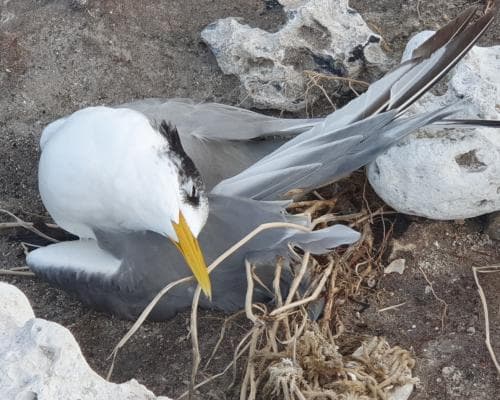
The helicopter dips low over the Pages Islands, two granite sentinels rising from the Southern Ocean off Kangaroo Island. Below, the rocks are not just speckled with the usual fur seals and the endangered Australian sea lions that haul out on these private shores. They are dotted with the unmistakable, silent shapes of greater crested terns—hundreds of them, perfectly still, their elegant crests askew. This is not a scene of life thriving in isolation, but of a mass mortality event, one of three detected in a single day of aerial surveillance off South Australia. The cause, as declared by Premier Peter Malinauskas, is a presumed escalation of the H5 avian flu. For those who travel to the ends of the earth for a glimpse of the untamed, this is the new, sobering reality of the wild.
These islands—Troubridge Island off the Yorke Peninsula, and the Pages Islands off Kangaroo Island—are not resorts. They are sanctuaries, the kind of places that luxury expedition ships circle at a respectful distance, allowing guests to observe from the deck with a glass of chilled Australian chardonnay in hand. They represent the ultimate paradox of high-end travel: the desire to witness nature at its most raw, while the very act of witnessing feels like an intrusion. The greater crested tern, a common yet magnificent seabird, has become the tragic mascot of this outbreak, its colonies serving as a bellwether for a virus that has already reshaped the avian world on other continents. On the Pages Islands, the terns share their rocky fortress with a colony of endangered Australian sea lions, a species that has survived centuries of sealing and now faces a new, invisible threat.
The surveillance itself is a feat of modern logistics, a dance of helicopters, planes, and drones coordinated with field crews on the ground. It is the same kind of aerial choreography that might map a remote coral reef for a private charter, but here it is deployed to count the dead. The discovery of a suspected case in a little penguin on Kangaroo Island—the very island that has become a byword for luxury eco-lodges and exclusive wilderness retreats—has sent a particular shiver through the state's conservation and tourism circles. The little penguin, with its comical waddle and endearing nocturnal habits, is a beloved draw for visitors to the island's southern shores, and its potential loss is a blow to the very notion of a pristine, healthy ecosystem that underpins the region's premium travel appeal.
For the wealthy traveler, these events are a reminder that the most coveted destinations are not immune to the planet's wider ailments. The cost of accessing these wild places—a private helicopter charter from Adelaide, a berth on a small expedition vessel, or a stay at one of Kangaroo Island's ultra-luxe lodges—is a small price to pay for a front-row seat to nature's drama. But it is a drama that is increasingly punctuated by tragedy. The discovery of 28 dead little penguins on King Island, off Tasmania, only deepens the sense of a regional crisis. The Tasmanian government's testing of these birds is a quiet, urgent investigation, a process that will likely take weeks, but the implications are immediate: the virus is not respecting the invisible borders of state parks or the exclusive zones of high-end tourism.
This is not merely a story of bird deaths; it is a story about the fragility of the very places we consider timeless. The luxury traveler does not just pay for a room with a view; they pay for the assurance that the view will be the same in ten years, that the sea lions will still haul out, that the terns will still wheel in the sky. The H5 strain, which arrived on the Australian mainland in June, has already demonstrated its capacity to decimate colonies, and the current escalation suggests a long, difficult season ahead. For the operators of high-end expeditions and the owners of remote island lodges, this is a reputational and existential challenge. They must now balance the promise of an untouched paradise with the reality of a landscape under siege, and they must do so with a discretion that befits their clientele.
What does this signal for the future of luxury travel? It signals a shift from mere observation to a more profound, and humbling, form of engagement. The ultra-wealthy are increasingly drawn to the 'last wild places'—the Antarctic Peninsula, the Galápagos, the remote islands of southern Australia—but they are also beginning to understand that these places are not static postcards. They are living, breathing, and dying ecosystems. The next great luxury is not a private island with a butler, but a private island with a purpose, where the guest's presence contributes to its survival. As the terns fall silent on the Pages Islands, the most discerning travelers are not asking for a refund; they are asking what they can do to help. And that, perhaps, is the most profound journey of all.